


Parking Bollards & Security Posts Buying Guide
Parking bollards and security posts are designed to prevent vehicles from entering or parking in unauthorised areas, such as parking bays and car parks. They also serve as a deterrent against theft.
Choosing the right parking bollard depends on where it will be installed, how often you need to restrict access and the level of security required. From folding bollards for driveways and parking bays to telescopic and removable options for commercial sites, this guide explains the different types available and what to consider before buying.
Things to consider
Folding bollards are often cheaper and quick and easy to install whilst telescopic bollards are hidden in the ground when stored, allowing low clearance cars to pass over.
Bollards can be made from materials including steel, concrete, iron or polyurethane, all have their own benefits. Metal solutions are often stronger and weather resistant.
For use in public areas, or for use at night, a high visibility solution is often recommended such as yellow bollards or bollards with reflectors.
Ensure the bollard will not cause a trip hazard for pedestrians, for example a folded bollard should not fold onto the pavement.
Bollards are often provided with 2, 3 or 4 keys. Consider how many keys you require. Bollards installed in commercial sites often require more keys as more users require access.
Folding bollards are quick and easy to install with a few fixings whilst removable and telescopic bollards require you to dig a hole in the ground.
Types of Security Bollards and Posts
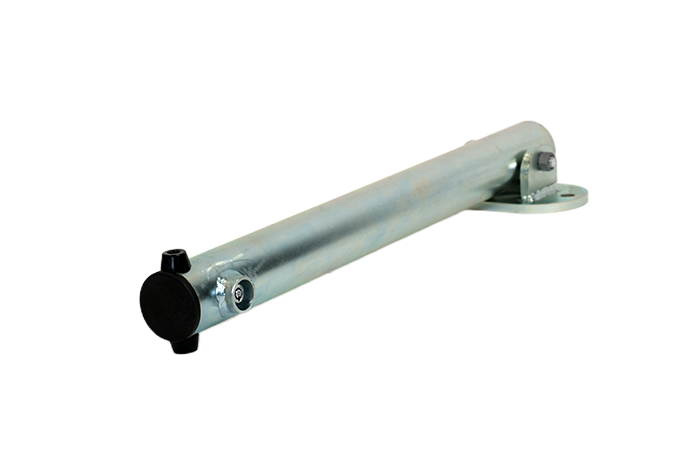
- Folds to provide access, easy to use
- 4 unique keys, ideal for multiple users
- Surface-mounted, includes fixings for ease of installation
- Various colours including high visibility designs
- Ideal for use in parking bays and driveways
- Steel design, weather-resistant and durable
- Built in carry handle, lift up when required
- Up to 4 keys, ideal for multiple users
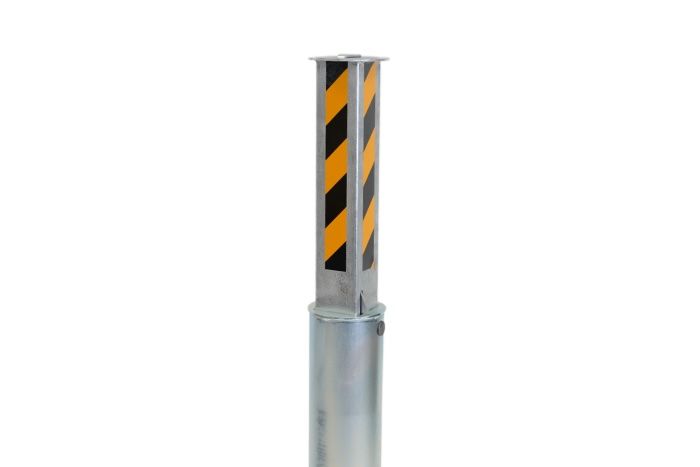
- Telescopic design, hidden when stored to reduce trip hazards - suitable for low clearance
- Various colours including high visibility designs
- Use in parking bays, driveways and commercial sites

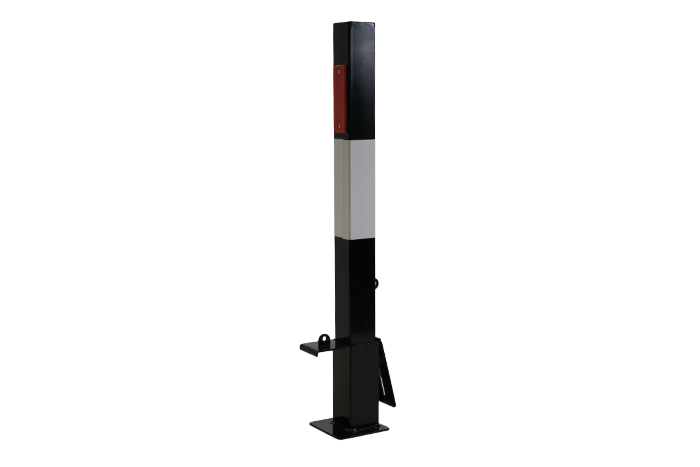
- Removable post, temporarily restrict access
- 3 unique keys, ideal for multiple users
- Base secured below ground, reduces trip hazards
- Reflectors for high visibility at night
- Install in parking bays, driveways and commercial use
- Steel design, heavy duty and durable
- Non-folding solid design
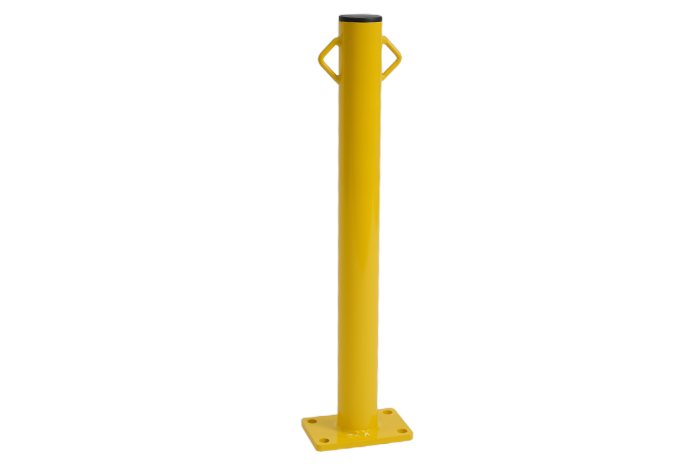
- Hooks for chains to be secured to the post, mark off areas
- Surface-mounted, includes fixings for ease of installation
- Yellow high visibility design
- Ideal for use in parking bays and driveways
- Steel design, weather-resistant and durable
Folding Bollards
- Folds to provide access, easy to use
- 4 unique keys, ideal for multiple users
- Surface-mounted, includes fixings for ease of installation
- Various colours including high visibility designs
- Ideal for use in parking bays and driveways
- Steel design, weather-resistant and durable
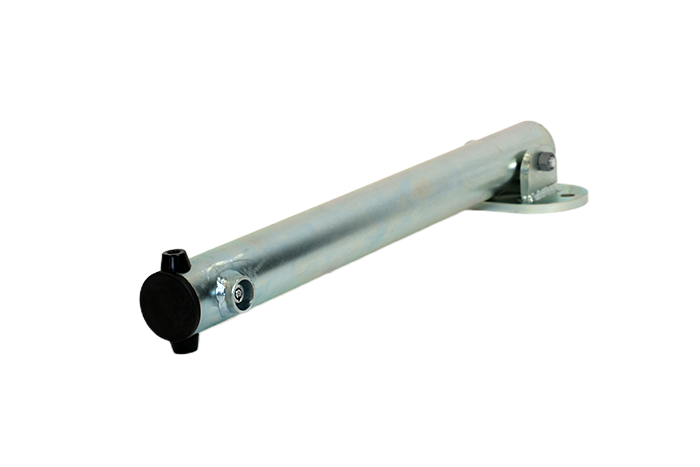
Telescopic Bollards
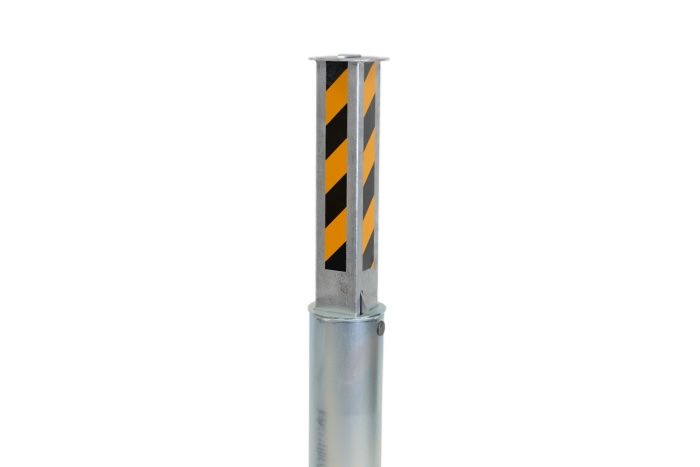
- Built in carry handle, lift up when required
- Up to 4 keys, ideal for multiple users
- Telescopic design, hidden when stored to reduce trip hazards - suitable for low clearance
- Various colours including high visibility designs
- Use in parking bays, driveways and commercial sites
Removeable Bollards
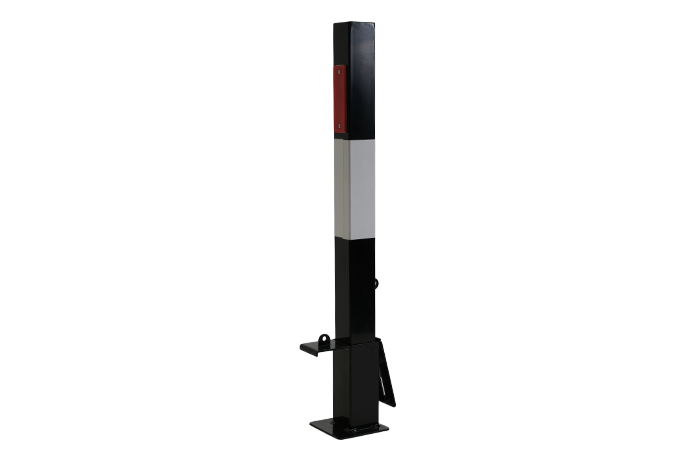
- Removable post, temporarily restrict access
- 3 unique keys, ideal for multiple users
- Low profile base reduces trip hazards
- Reflectors for high visibility at night
- Install in parking bays, driveways and commercial use
- Steel design, heavy duty and durable
Security Posts
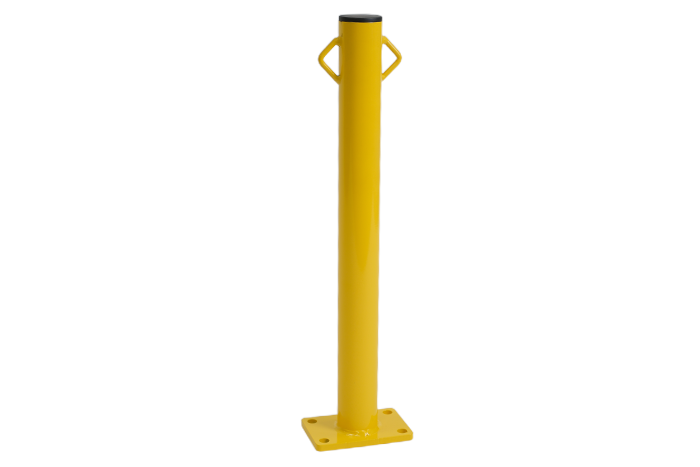
- Non-folding solid design
- Hooks for chains to be secured to the post, mark off areas
- Surface-mounted, includes fixings
- Yellow high visibility design
- Ideal for use in parking bays and driveways
- Steel design, weather-resistant and durable
Driveway Bollards Installation Guide
- The folding and fixed bollards and posts are provided with fixings including bolts (M10 x 100mm), raw plugs and washers to allow the posts to be secured to the ground. They can usually be installed in under 30 minutes by a general handyman or DIY-er. Before installing we recommend ensuring the road surface is clean, dry and undamaged to ensure the bollard can be flush on the ground when installed. Mark out the areas where you wish to install the bollards and drill holes for the fixings. Ensure the holes are free from dust and debris prior to inserting the fixings. We recommend that hand tools are used to prevent damage to fixings.
- When installing Telescopic Bollards or Removable Bollards, excavation is required. We recommend for a confident builder to install these for you. It is recommended you check the sites utility plans and undertake a scan prior to installation to prevent damage to any underground pipes or wires. A hole is required to be dug to install the bollard, along with drainage at the base of the bollard. Please view the link to the full installation guide below.
Care & Maintenance
- We recommend regularly checking the bollards and security posts for signs of damage or wear and tear.
- For the folding bollards ensure the bollard remains secured in place and all fixings are tight.
- The telescopic bollards should regularly be cleaned, including removing excess debris, and lubricated to ensure the bollard can continue to rise. In freezing temperatures, or due to excess built up of dirt, WD40 can be used to assist. After using WD40 always remove any excess from the bollard.
Bollard Legislation & Regulations - Key Takeaways
- In the UK, regulations focusing on bollards mainly focus on the installation of bollards in public areas. In general, if you are installing a bollard on a private driveway you will not need to secure planning permission. Please do note there are of some exceptions to this, for instance if you own a listed property it is likely you will need to seek permission prior to installation. It is important to always secure the landowners permission prior to installing bollards.
- For public areas, permission, including planning permission, is required to install bollards. Regulations such as The Road Traffic Regulation Act 1967 and Road Traffic Regulation Act 1984 cover the topic of bollards in public areas. The UK government has also published various guidance around installing fixed bollards in public areas to ensure pedestrians can still move freely.
- The Highways Act 1980 places restrictions around placing obstructions on or near public highways which is why it is important the bollards do not exceed your boundaries, for example ensure the folding bollards fold into your driveway rather than onto external pavements or roads. Under the Equality Act it is also important areas remain accessible for all. We therefore recommend when installing bollards and security posts that wheelchair users and pedestrians can still safely access the area.
- Various standards in place surrounding security bollards however these mainly focus on bollards used for industrial use or on public roads. Vehicle Security Bollards are generally used to enhance security at events and within crowded areas. BS EN 12899-2 focuses on the standards for traffic bollards which are commonly see on public roads.
- PAS 68 was a British specification for testing bollards and other vehicle security barriers to assess their performance against vehicle impact. This standard has since been withdrawn and superseded by BS ISO 22343-1:2023. IAW 14-1:2013 was a further standard focused on vehicle impact testing which has also been withdrawn. While impact-tested bollards may be required for some higher-risk sites such as tourist areas and city centres, or where a specific security specification is in place, they are not necessary for every application. Many bollards are used simply to deter unauthorised vehicle access and manage parking, such as on business parks, residential driveways, private car parks and commercial premises. In these lower-risk applications, a durable bollard may provide the level of access control required without needing to be impact tested.
Do I need a certified or impact-tested bollard?
- Whether you need a certified bollard, or impact-tested bollard, depends on the level of protection required and the risk associated with the location. When considering a certified bollard, it is also important to consider which standard you require the bollard to be tested or assessed against. For example, many bollards on the market are advertised as being tested or certified to standards such as IWA 14 and PAS 68, both of which have since been withdrawn. IWA 14-1:2013 has been replaced by ISO 22343-1:2023, while PAS 68:2013 has been withdrawn by BSI.
- In most instances, parking bollards are purchased as a deterrent to prevent drivers from parking in private parking bays, turning in private car parks or driveways, or entering business car parks when they are closed. They are also used as a deterrent to vehicle theft by acting as an additional obstacle in place of a parked car. For those seeking to reduce the risk of vehicle theft, in most instances a standard parking bollard may be suitable. Whilst it cannot stop vehicle theft, as a determined thief could potentially uninstall the bollard or drive into it with force, it works in a similar way to a gated system, burglar alarm or camera doorbell by assisting to deter thieves and placing an additional barrier in their way.
- To assess whether you need a certified bollard, we would firstly recommend considering where it is being installed. For many businesses, the requirement is simply for an access control or parking management solution, meaning an impact-tested option may not be necessary. Impact-tested bollards are designed to withstand the force of vehicles travelling at speed, which is why they are generally intended for higher-risk areas where there is a specific requirement for protection against deliberate vehicle impact. Those seeking to install bollards and security posts in higher-risk locations, such as crowded public spaces, key tourist locations or critical infrastructure, or companies that may be at greater risk due to high-profile work, may be more likely to require impact-tested vehicle security barriers designed to provide a specified level of protection against deliberate vehicle attacks.
- For those installing bollards in public areas owned by the council, you will generally need to refer to your local council's guidelines around bollard requirements. For example, Surrey County Council offer specific guidance around the type of bollards which can be placed on streets in Surrey.
- For those who are concerned about intruders and are seeking to protect high-value items, you may wish to seek LPS 1175 security-rated products, as these products are tested against manual forced-entry attacks. LPS 1175 addresses a different type of security threat to vehicle impact testing, so it is important to consider the specific risk you are looking to protect against.
Complementary Security & Traffic Calming Products
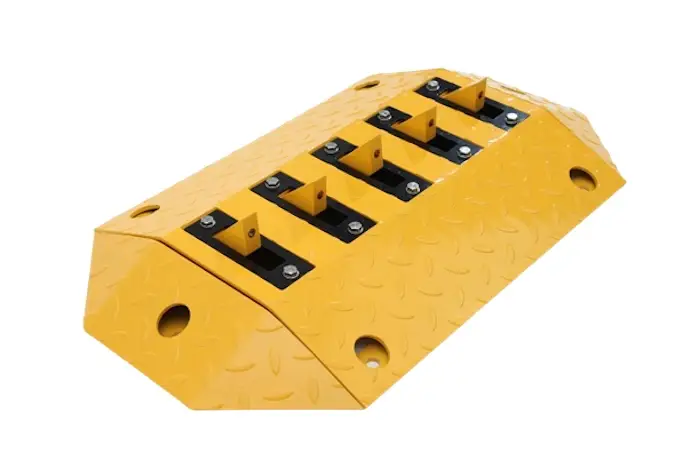
- Promotes one-way traffic flow
- Provided with fixings for ease of installation
- Reduce vehicles to speeds of 5mph
- Ideal for car parks, business parks and industrial estates
- High-visibility yellow finish
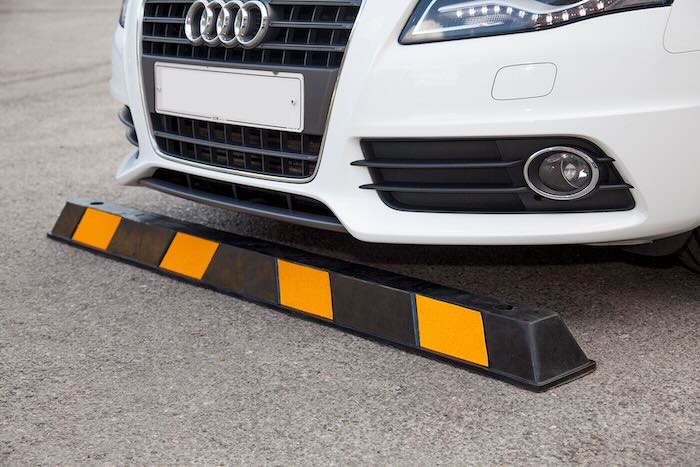
- Protect structures including EV charging points
- Provided with fixings for ease of installation
- High-visibility built-in reflectors to enhance safety
- High-destiny rubber, durable design
- Solutions for cars, vans and HGVs
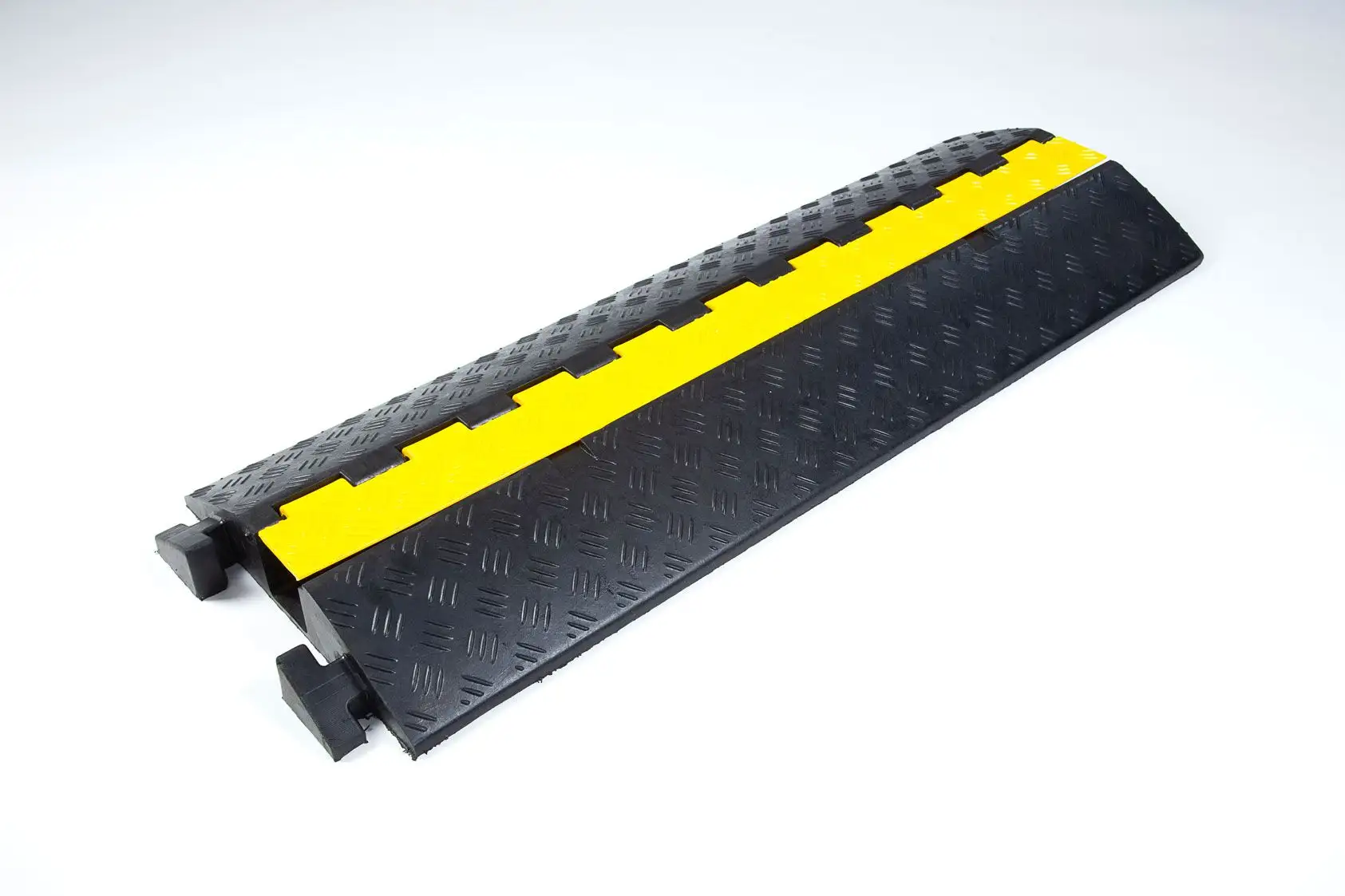
- Slow vehicles to speeds of 5mph
- Protect cables and reduce trip hazards
- 1, 2, 3, or 5 channel solutions
- Ideal for events, car parks, driveways, and more
- Interlocking design, cover your required length
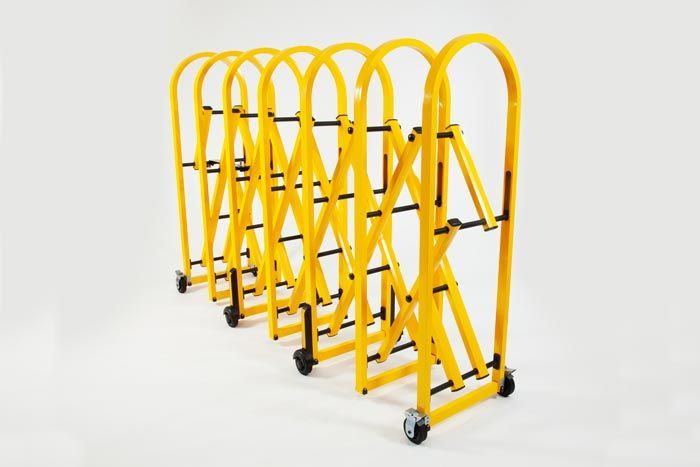
- Temporarily restrict access to certain areas
- Portable design, provided on wheels
- High-visibility enhance safety
- Interlocking to cover your required area
- Heavy-duty - use at events and commercial settings
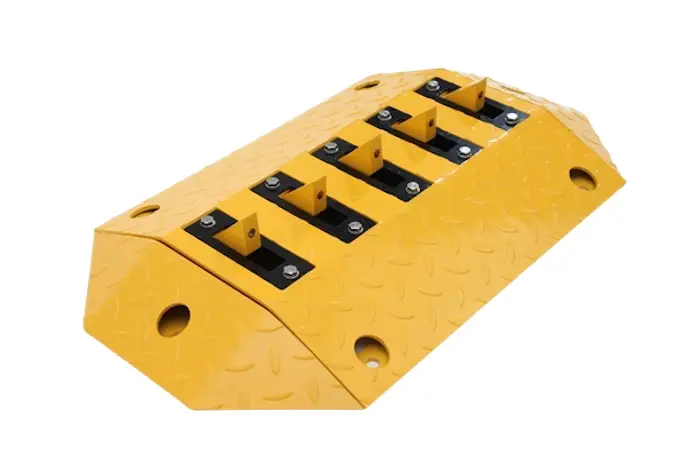
Flow Plates
- Promotes one-way traffic flow
- Reduce vehicles to speeds of 5mph
- Ideal for car parks, business parks and industrial estates
- High-visibility yellow finish
- Provided with fixings for ease of installation
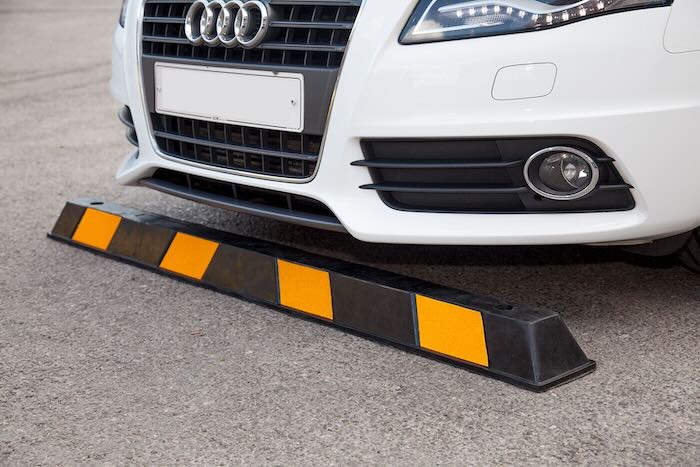
Wheel Stops
- Protect structures including EV charging points
- Provided with fixings for ease of installation
- High-visibility built-in reflectors to enhance safety
- High-destiny rubber, durable design
- Solutions for cars, vans and HGVs
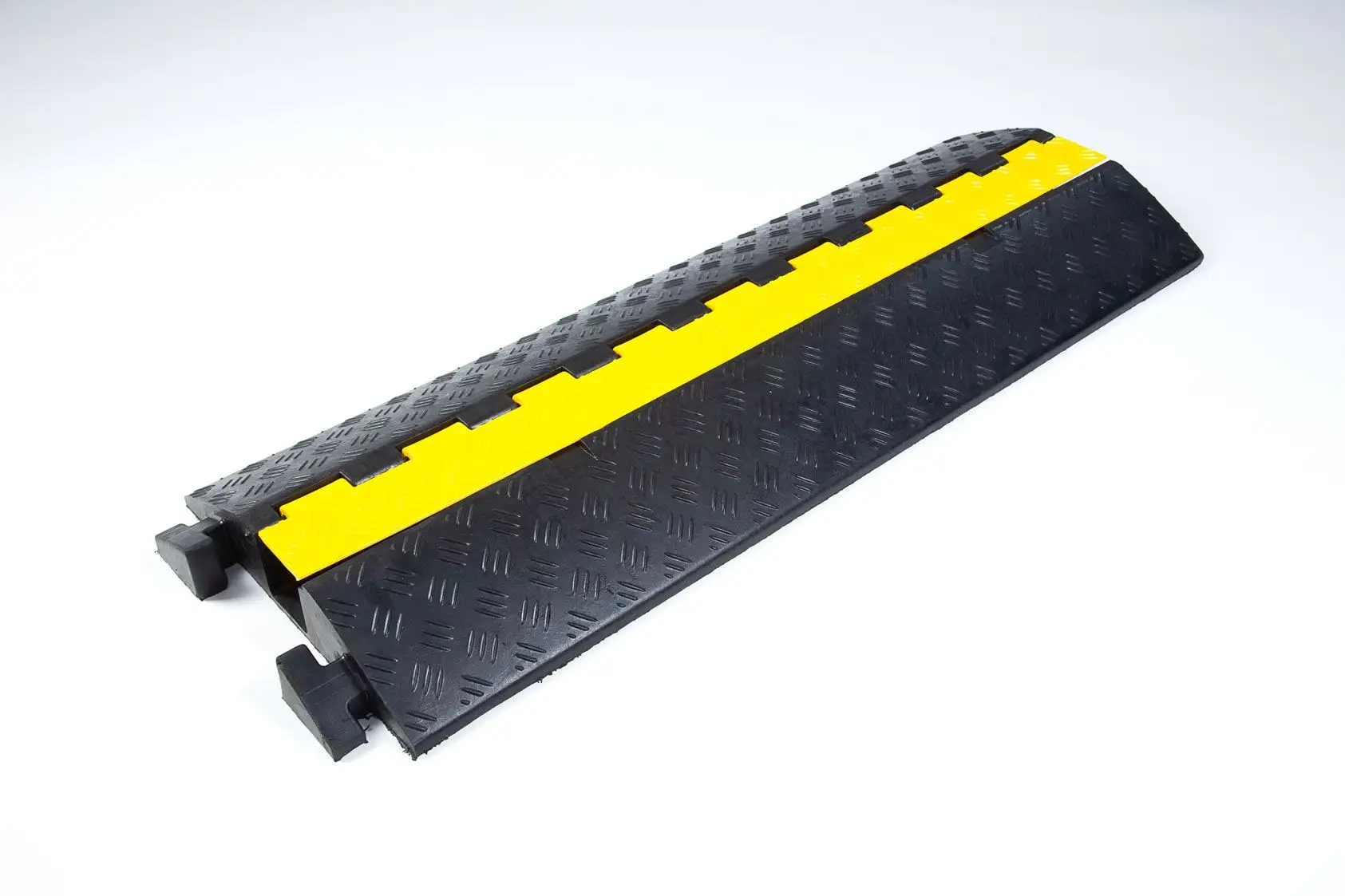
Heavy Duty Cable Protectors
- Slow vehicles to speeds of 5mph
- Portable design for temporary traffic control and cable protection
- Protects cables and hoses with 1, 2, 3, or 5 channel options
- Ideal for events, car parks, driveways, and more
- Interlocking design, cover your required length
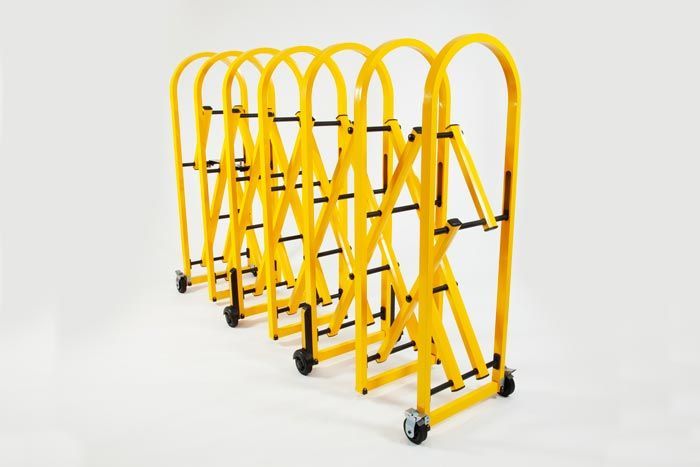
Expandable Barriers
- Temporarily restrict access to certain areas
- Portable design, provided on wheels
- High-visibility enhance safety
- Interlocking to cover your required area
- Heavy-duty - use at events and commercial settings
Request a callback
Still need assistance? Our team is available throughout the week to help via phone, email, live chat or WhatsApp. If you’d rather we call you, you can easily request a callback here.