



How to use a loading ramp safely
Loading ramps provide the ultimate safe and simple method to manoeuvring your vehicles and industrial equipment into your truck and van. Here at The Ramp People we supply a great range of truck ramps and van ramps suitable for all industries and we understand the importance of being able to rely on them all year round. We have highlighted some primary safety precautions to take when using loading ramps to ensure they work best for you.
1) Forwards not backwards.
Now this may sound obvious, but when you are driving your vehicle up your ramp (or any inclined surface) there's always a danger of tipping over backwards. The smaller the vehicle or equipment you are moving the greater the risk so ensure you have it secure or can get it loaded on to the van or truck in one motion. Does your vehicle have rear wheel drive? Try driving up the ramp backwards, in reverse, so that the powered wheel is uphill.
2) Stay on the ramp
There are always risks when manoeuvring on a ramp, especially with varying sizes of vehicles and equipment. Safety is of paramount importance so our ramps come with highly durable, anti-slip surface and optional raised edges to ensure your equipment can stay safe and secure.
3) Keep the ramp attached
Be sure that the ramp is tightly secured to the trailer, with a chain, safety straps or hook connection option which our own ramps are offered with. Our ramps are built with an optimised weight so they can work perfectly with your equipment and stay connected as you load your vehicles on and off your van or truck.
4) The ramp angle should be low
Don't set your ramp up on too steep a gradient, the steeper the ramp, the greater the likelihood of the vehicle coming back down or falling off either side is increased. In line with EU guidelines, the maximum recommended gradient for loading is 1:33, all of our ramps are built with this in mind. If you are loading items with low ground clearance you will require a smoother gradient. Make sure the van or truck is on a surface that's lower than the one that the vehicle is being loaded from (ie. the pavement) so that the ramp will be fairly level.
Safety Rules at a Glance
Use the ramp on flat, stable ground
Do not exceed the recommended load height or capacity
Secure the ramp to the vehicle before use
Drive at a slow speed on the ramp
Lift the ramp in line with manual handling guidelines
Check the ramp before use for signs for damage and wear - do not use if damaged
Use the ramp in line with the manufacturer's guidance
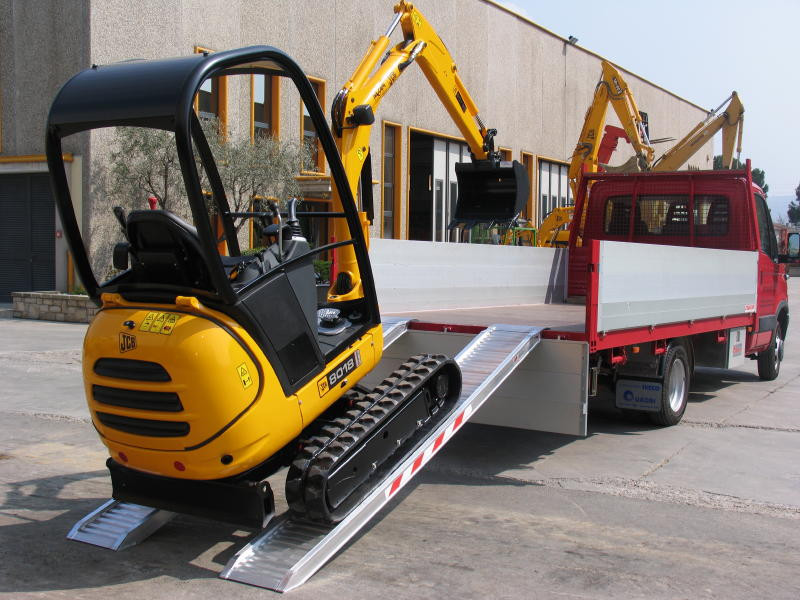
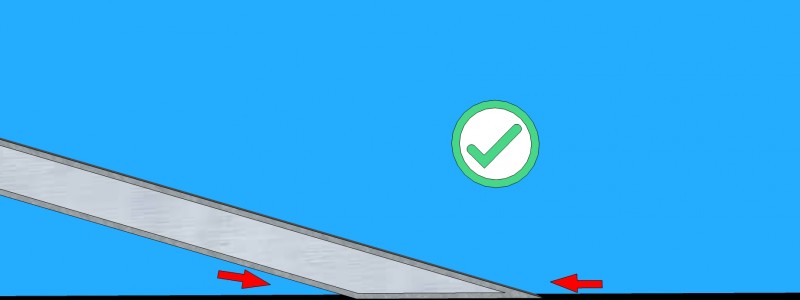
Correct ramp setup & pre-use inspection
Prior to using ramps always inspect the ramps for signs of damage, cracks or bending. Never use a ramp if it is damaged. Always check the capacity and load height the ramp is designed for and ensure you are loading within the requirements.
Ensure the ramp is clean and free from liquids or debris which could cause items to slip on the ramps.
Ensure the foot of the ramp remains securely on the ground (flat, level ground) and the ramp connection connects to the van or trailer. Where a rest-on connection is provided, a pin is usually provided to secure the ramp in place during use.
Clear the area of the obstacles prior to use and ensure pedestrians will not be walking past the ramps during use. We suggest putting barrier or similar in position during use to restrict access and alert passers by to the hazard.
Always act in line with health and safety requirements and wear the required Personal Protection Equipment (PPE), for example by wearing steel capped boots and gloves when handling the ramps.
How to use a loading ramp safely
Loading ramps provide the ultimate safe and simple method to manoeuvring your vehicles and industrial equipment into your truck and van. Here at The Ramp People we supply a great range of truck ramps and van ramps suitable for all industries and we understand the importance of being able to rely on them all year round. We have highlighted some primary safety precautions to take when using loading ramps to ensure they work best for you.
1) Forwards not backwards.
Now this may sound obvious, but when you are driving your vehicle up your ramp (or any inclined surface) there's always a danger of tipping over backwards. The smaller the vehicle or equipment you are moving the greater the risk so ensure you have it secure or can get it loaded on to the van or truck in one motion. Does your vehicle have rear wheel drive? Try driving up the ramp backwards, in reverse, so that the powered wheel is uphill.
2) Stay on the ramp
There are always risks when manoeuvring on a ramp, especially with varying sizes of vehicles and equipment. Safety is of paramount importance so our ramps come with highly durable, anti-slip surface and optional raised edges to ensure your equipment can stay safe and secure.
3) Keep the ramp attached
Be sure that the ramp is tightly secured to the trailer, with a chain, safety straps or hook connection option which our own ramps are offered with. Our ramps are built with an optimised weight so they can work perfectly with your equipment and stay connected as you load your vehicles on and off your van or truck.
4) The ramp angle should be low
Don't set your ramp up on too steep a gradient, the steeper the ramp, the greater the likelihood of the vehicle coming back down or falling off either side is increased. In line with EU guidelines, the maximum recommended gradient for loading is 1:33, all of our ramps are built with this in mind. If you are loading items with low ground clearance you will require a smoother gradient. Make sure the van or truck is on a surface that's lower than the one that the vehicle is being loaded from (ie. the pavement) so that the ramp will be fairly level. Check the machine's manual to see the maximum gradient your machine can climb.
Loading at a safe gradient
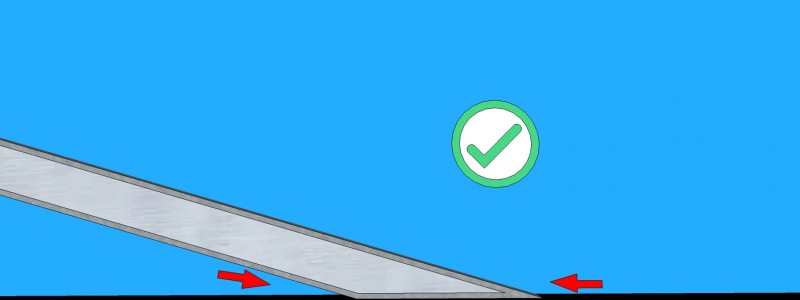
It is important you load at a safe gradient. Ramps are designed to be used at a specific gradient - always check the gradient the ramp is designed for. If the ramp is used at the wrong gradient, the foot of the ramp will not sit flush on the ground. This will affect the weight the ramp can support, the stability of the ramp and longevity of the ramp.
Always check the maximum gradient your machine or vehicle can climb. In line with EU guidelines, the maximum recommended gradient which should be used to load machinery is 1:3.3 however some machinery requires a smoother gradient. Tracked machinery such as diggers and dumper trucks can often handle this gradient whilst other machinery such as forklifts and scissor lifts need a much smoother gradient. Always check your machine's user manual for the maximum angle it can climb.
Clear the area of the obstacles prior to use and ensure pedestrians will not be walking past the ramps during use. We suggest putting barrier or similar in position during use to restrict access and alert passers by to the hazard.
The Ramp People's Loading Ramp Safety Features
Precision cut for the recommended load height to ensure the ramp remains securely on the ground during loading.
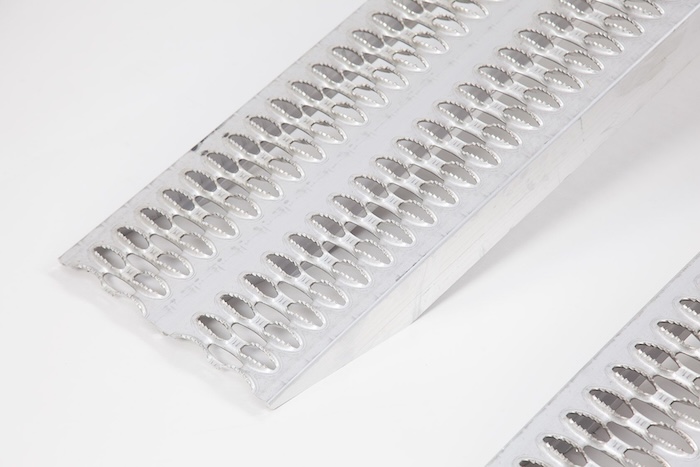
Choice of 4 connection option to ensure the loading ramp securely connects to your vehicle and remains in place during loading.
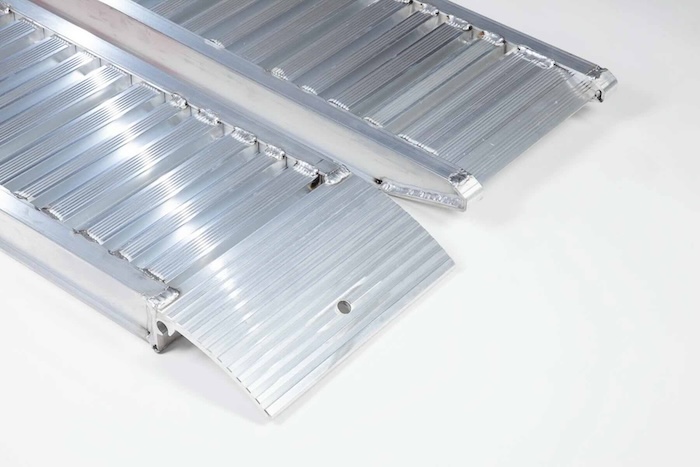
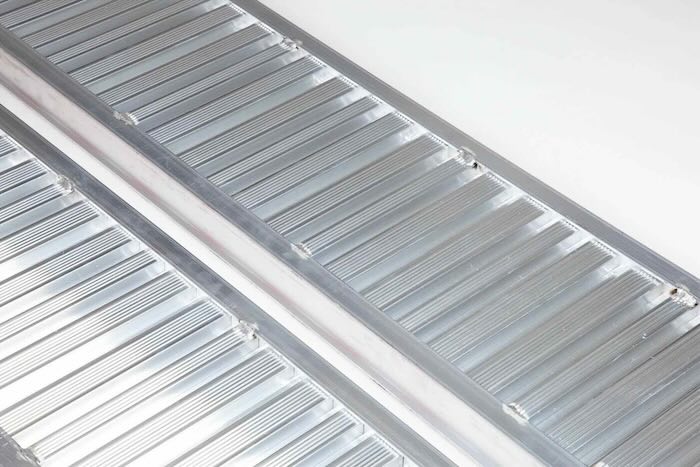
High traction anti-slip surface for optimum grip, designed for loading vehicles with tyres or tracks. Solutions include R13 slip resistant surfaces.
Common Loading Ramp Mistakes
If loading ramps are used incorrectly, it can lead to injury to those using the ramp and passers-by, costly damage to machinery, damaged ramps, and liability claims. Common loading ramp mistakes to avoid include:
- Assuming one size fits all – Often, companies assume a pair of loading ramps can be used across all of their fleet vehicles to load a variety of machinery. This is not usually the case, especially where the makes and models of vans differ. All ramps are designed for specific load heights, so if the types of vehicles vary, different ramps are generally required.
- Ramp theft – Heavy-duty loading ramps are high-value items and, unfortunately, theft is common. Where possible, we advise storing them inside in a secure location.
- Not securing the ramps – It is important to ensure the connection system is used in accordance with the recommended guidance, as it provides an additional safety measure in case the ramps slip.
- Driving too fast – Driving up or down the ramps too quickly can cause the machine or ramps to slip.
- Weather conditions - Extra caution should be taken when using ramps in adverse weather conditions such as wet or icy weathers. Please check your ramp's suitability as not all ramps are designed for use in icy conditions.
At The Ramp People we offer an extensive range of loading ramps designed for plant machinery, cars, vans, motorbikes and more. We can also provide bespoke solutions to ensure the ramp allows you to safely load your vehicle or machine.
Types of Loading Ramps
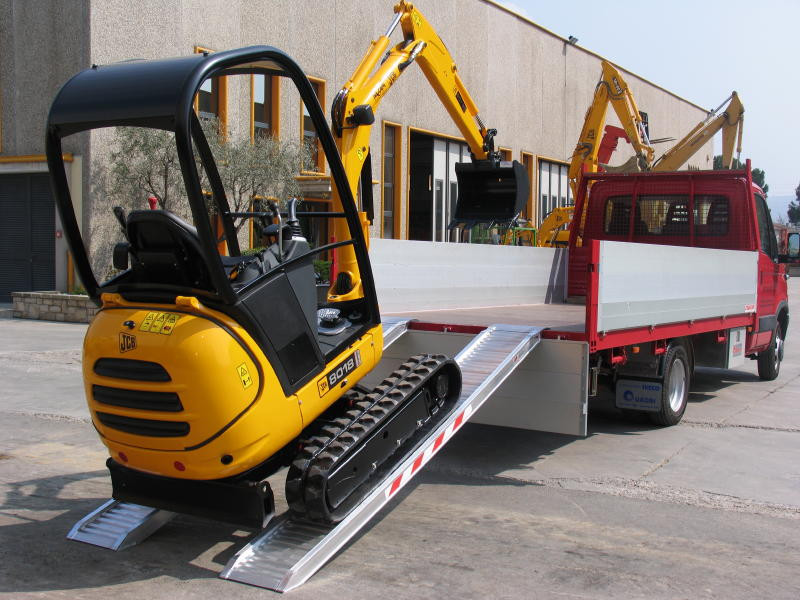
- Available in lengths from 1.5m to 5.5m
- Capacities up to 20,000kg
- Load rubber wheeled and rubber tracked machinery
- Designed for diggers, dumper trucks, excavators and similar
- Available in lengths from 1.5m to 5.5m
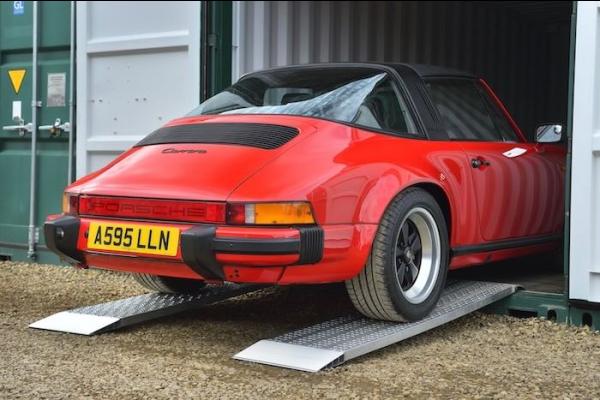
- Capacities up to 3,000kg
- Smooth gradient, designed with low slung cars in mind
- Designed for cars and vans
- Selection of aluminium and rubber solutions
- Capacities up to 10,000kg
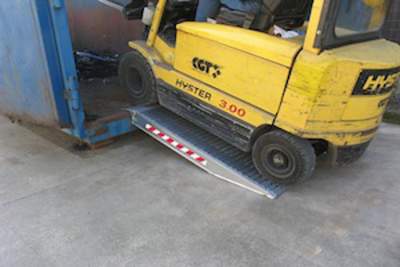
- Load forklifts into containers and over steps
- Designed for low clearance machinery
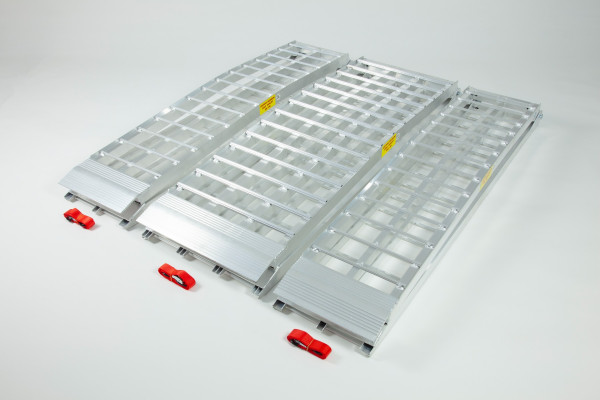
- Available in lengths from 1.5m to 3m
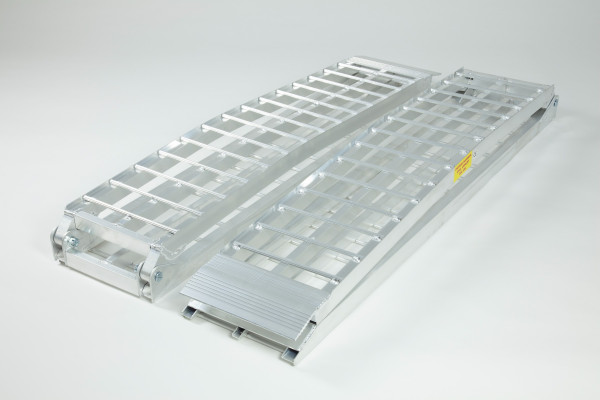
- Lightweight and folding for compact storage
- Load motorbikes, quad bikes and ATVs
- Quick and easy to set up, safety strap secures the ramps in position
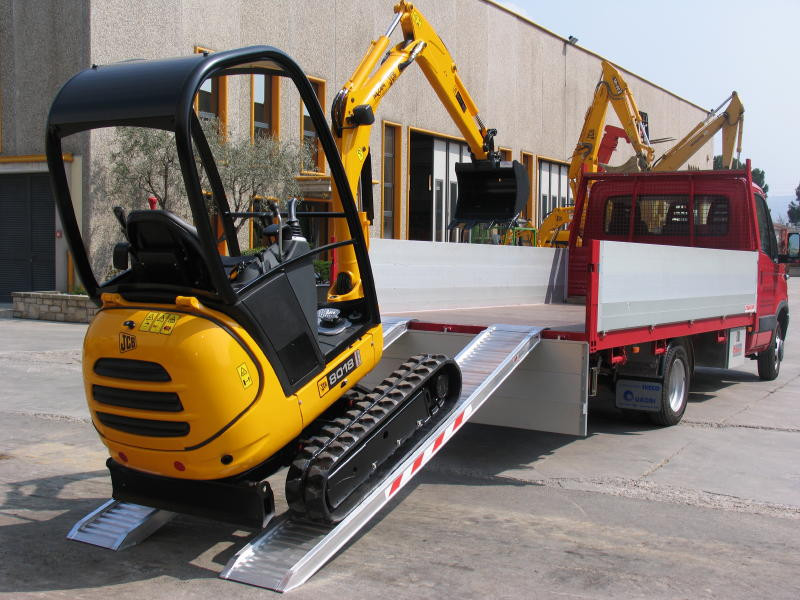
Plant Machinery Ramps
- Available in lengths from 1.5m to 5.5m
- Capacities up to 20,000kg
- Load rubber wheeled and rubber tracked machinery
- Designed for diggers, dumper trucks, excavators and similar
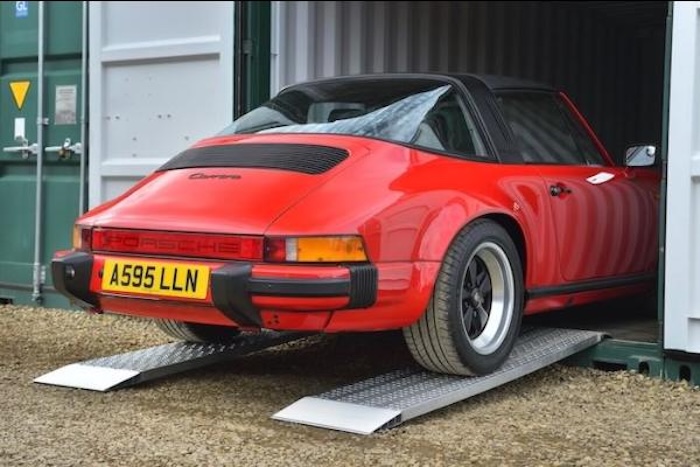
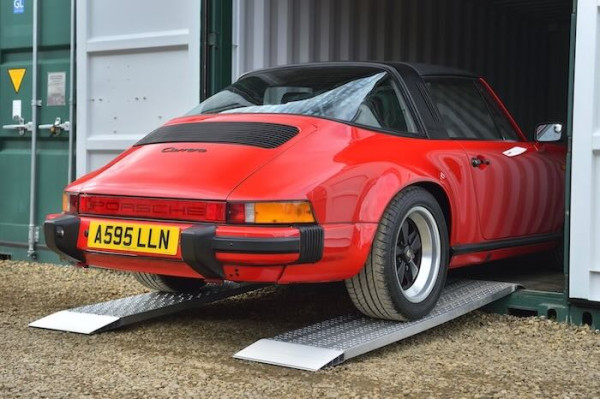
Car Ramps
- Available in lengths from 1.5m to 5.5m
- Capacities up to 3,000kg
- Smooth gradient, designed with low slung cars in mind
- Designed for cars and vans
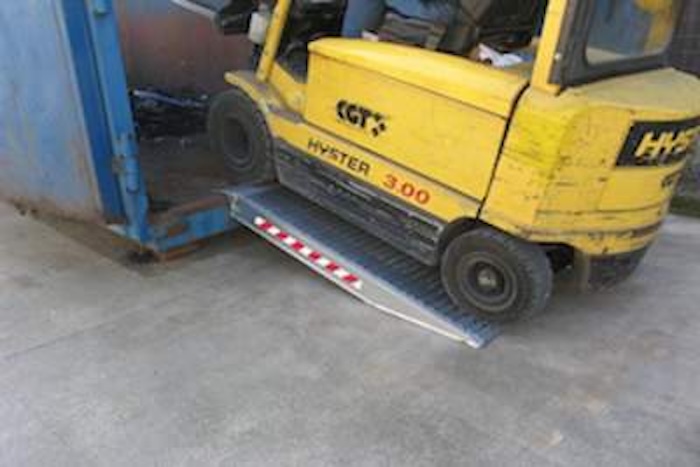
Forklift Ramps
- Selection of aluminium and rubber solutions
- Capacities up to 10,000kg
- Load forklifts into containers and over steps
- Designed for low clearance machinery
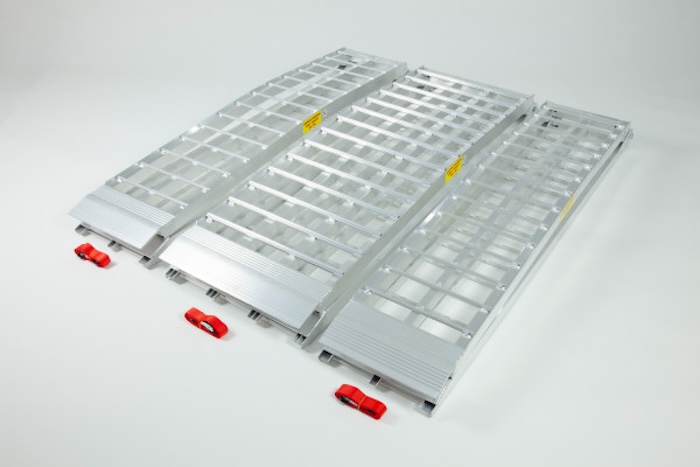
Motorbike Ramps
- Available in lengths from 3ft to 12ft
- Solid, non-folding design
- Pre-drilled fixing points to allow the ramp to be secured in place, can be left outside
- Use with or without handrails, perfect for all mobility aids
- Smooth entry on and off of the ramp
Request a callback
Still need assistance? Our team is available throughout the week to help via phone, email, live chat or WhatsApp. If you’d rather we call you, you can easily request a callback here.

Trench plates and footbridges

How to make your business accessible for customers

What is a Safety Management System (SMS)?
- Categories:
- All
- Vehicle & Plant Loading Ramps
- Wheel Stops
- Workplace Safety
- Speed Bumps
- Accessibility & Disability
- Wheelchair Threshold Ramps
- Truck & Van Ramps
- Cable Covers & Protectors
- Road Safety
- Yard & Container Ramps
- TRP News
- Pet Ramps
- Car Ramps
- Tips and Product Guides
- Customer Case Studies
- Wheelchair Ramps
- Loading Ramps
- Workplace and Health & Safety