



Evacuation Chairs: Legislation and Guidance
This guide will help you decide whether your building or premises requires an evacuation chair and what to consider before making a purchase. We will explain the key relevant legislation and guidance, outline the key features of evacuation chairs, and highlights the standards they should meet to ensure compliance and safety.
In addition, we cover the training needed to use an evacuation chair correctly and provide practical advice on safe operation during an emergency. By understanding these requirements, you can make an informed decision and ensure your building is prepared to support individuals with disabilities in the event of an evacuation.
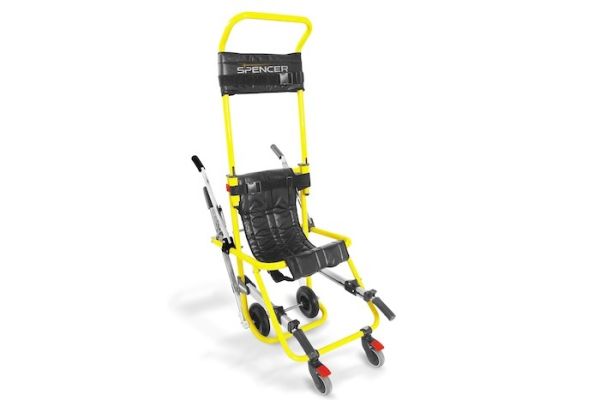
Introduction to our Guide
In the UK, building owners, landlords, and employers are legally responsible for ensuring the safe evacuation of everyone within their premises. This duty includes providing suitable arrangements for individuals with limited mobility, those who are injured, and people with disabilities—including wheelchair users—so they can safely exit a multi-storey building during emergencies such as fires, power outages, or explosions.
The UK government has various rules and guidance in place to ensure the safe evacuation of all. Planning, mitigation and prevention is key to ensuring the safe evacuation of all. By understanding these requirements, organisations can ensure compliance and protect lives in critical situations.
Regulations & Helpful Links
The UK government has created a guide for those seeking to develop a plan to ensure the safe escape of people with disabilities in the event of an emergency.
The Health and Safety Executive (HSE) provide guidance around planning for incidents and emergencies, including developing emergency plans and emergency procedures.
The Equality Act requires reasonable adjustments to be made for people with disabilities to ensure they can safely access and exit buildings.
Designed for non-domestic properties in the UK, the Order requires fire risk assessments, emergency planning, and precautions to be in place.
What Are The Key Evacuation Chair Features?
Reinforced Tracks
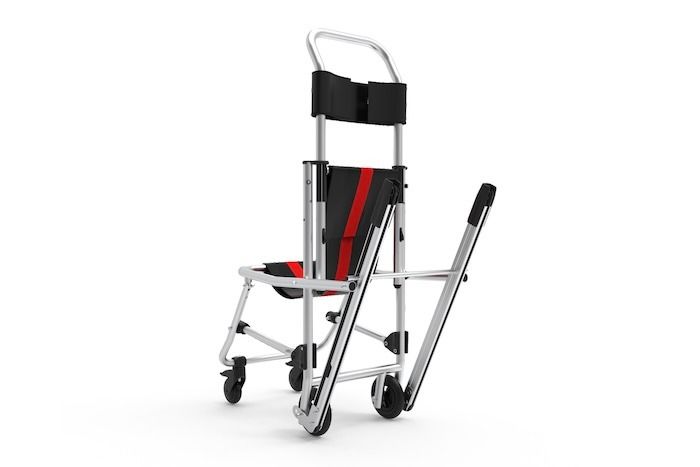
The reinforced tracks on the back of the chair are designed to allow the chair to move smoothly down staircases.
Compact Design
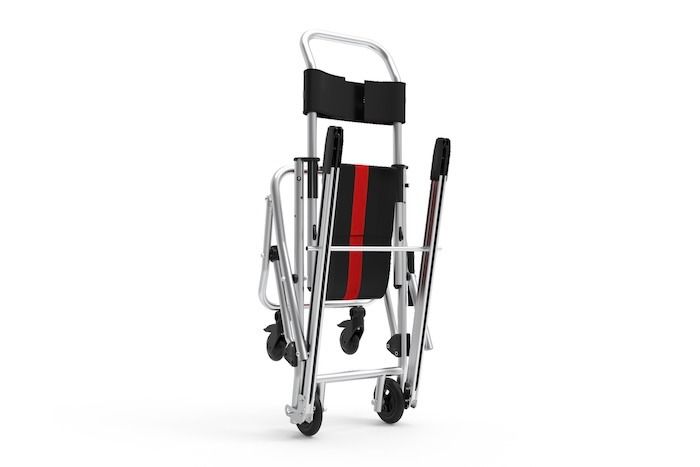
Compact when folded, allowing the chair to be stored by a staircase. Wall brackets and storage bags are also available.
Safety Belts
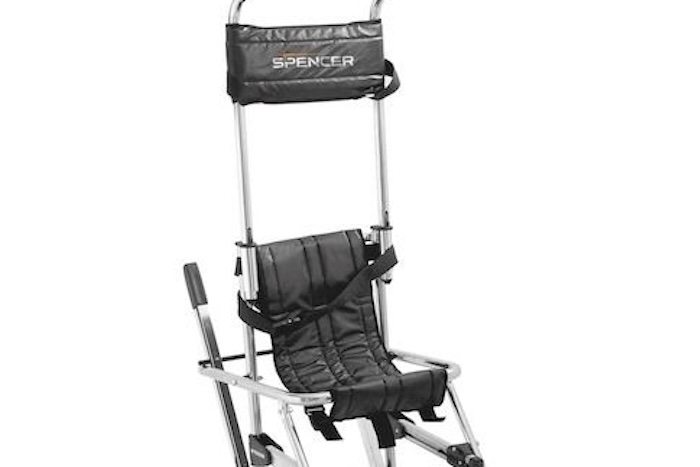
The chair and backrest include safety belts to secure the passenger during transit.
Brakes
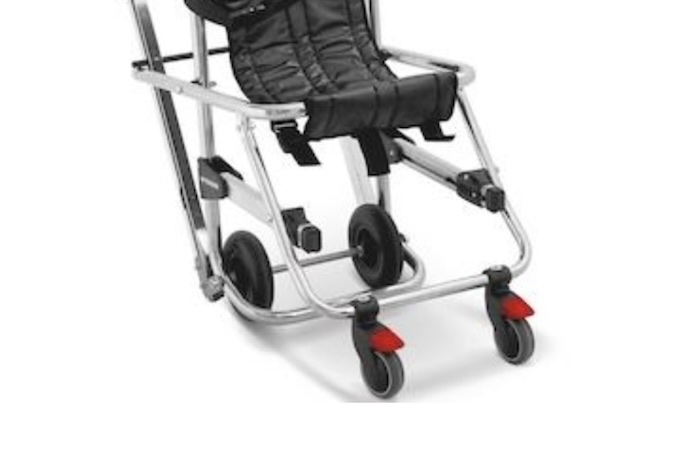
Pivoting front wheels with an integrated brake provide enhanced safety and control when operating the chair.
Are Evacuation Chairs Legally Required?
Within the UK, evacuation chairs are not legally required however building owners, landlords and employers are responsible for ensuring those with disabilities can safely evacuate the building. Evacuation chairs are one method of providing a safe escape route in an emergency. Evacuation chairs are often a preferable choice as they are compact and can easily be stored next to the staircase, ensuring they are accessible in the event of an emergency. Unlike lifts, they can also be used in the event of a power cut or similar.
For multi-storey buildings and properties with staircases, alternatives to evacuation chairs can include evacuation mats or sledges and evacuation mattress sheets.
Can Evacuation Chairs Go Up Staircases?
The majority of Evacuation Chairs are designed to go down staircases however there are models, such as the Spencer PRO SKID-E Evacuation Chair, which can be used to go up and down staircases. This is especially beneficial in multi-storey properties which have a basement or where there are floors below ground level.
What Standards Should Evacuation Chairs Meet?
Evacuation chairs are considered a Class I medical device. You should always ensure the chair purchased is registered as a Class I medical device in the UK or, where applicable, in Europe. As medical devices, CE marking is required. All evacuation chairs should meet the requirements of the Medical Devices Regulations.
What Planning is Required for Those Using Evacuation Chairs?
For locations where a specific individual is known to require assistance during evacuation, a Personal Emergency Escape Plan (PEEP) should be prepared. This may apply to a staff member who works on site or someone who visits the premises regularly. Typically, the HR department or building manager will collaborate with the individual to develop the PEEP, which will be tailored to their needs and may include provisions such as an emergency evacuation chair.
A general plan should also be established for buildings that receive visitors or occasional users. These plans are usually written procedures provided at the building’s entrance or reception area so that disabled visitors understand how to evacuate in an emergency.
Arrangements should also include provisions for unsupervised visitors, such as those in public buildings like shopping centres, restaurants, and retail parks. Staff should be trained to assist disabled individuals if an evacuation becomes necessary.
What Maintenance Do Evacuation Chairs Require?
Evacuation chairs should be stored in a clean, dry environment. They should be regularly checked for signs of damage and misuse. Any damage or faults should be reported and fixed immediately. Annual safety checks should be undertaken. When used in the workplace, the Provision and Use of Work Equipment Regulations (PUWER) 1998 apply, meaning that companies should ensure evacuation chairs are suitable, safe and regularly inspected.
What Training is Required?
It is important that operators practise using the chair before an emergency. Operators should complete manual handling training before operating an evacuation chair. It is also recommended that they complete disability evacuation etiquette training.
Risk Assessment Requirements
An emergency evacuation chair risk assessment should be carried out to identify individuals who may need to use the chair. Escape routes and potential hazards should be carefully considered. Evacuation chairs should be placed in an easily accessible and visible location.
How to Use an Evacuation Chair
Most evacuation chairs can be operated by either one or two people. The chairs are designed to be quick and easy to deploy. They are typically equipped with straps to secure the passenger during transit. Evacuation chairs come with user manuals, and it is recommended that users practise using the chair to build confidence before an emergency. Please view the video to the left to see how an evacuation chair can safely be used in a multi-storey building.
Still Require Assistance? Request a callback
Our team is available throughout the week to help via phone, email, live chat or WhatsApp. If you’d rather we call you, you can easily request a callback here.