



Walking Stick Buying Guide
Walking sticks are a type of mobility aid which provides support when walking.
Walking sticks are designed to support a user's weight when walking. Walking sticks are available in a range of designs to meet user's needs.
This guide will walk you through what to consider when choosing a walking stick.
Things to Consider When Shopping for Walking Sticks
Walking sticks provide limited support. For enhanced support a rollator may be more suitable.
If you struggle to bend down, you may prefer a free-standing design to ensure it remains within easy reach.
Measure the vertical height from the ground to the wrist joint - the walking stick should be this height.
Consider if you will be using it indoors or outdoors. For walking on rough ground, consider all-terrain solutions.
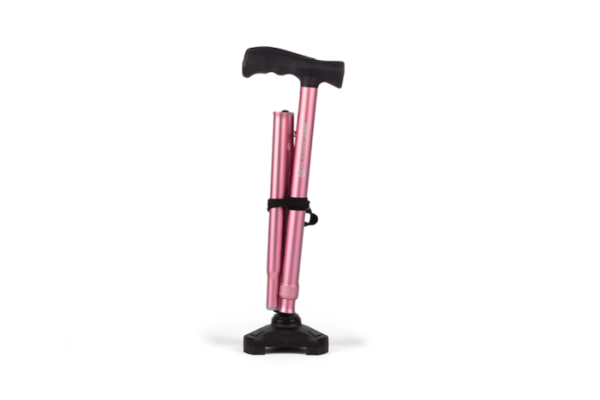
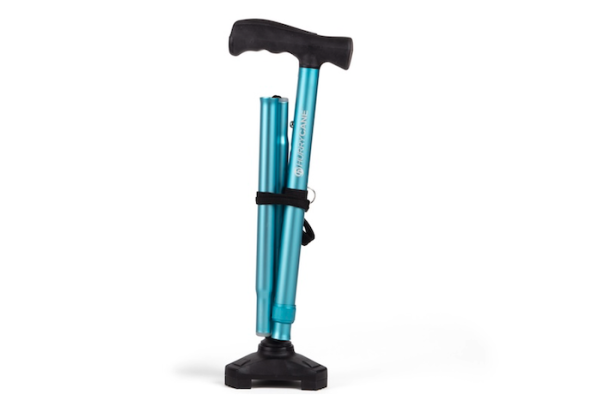
Many walking sticks are collapsible or folding, perfect if you plan to take it in the car.
We suggest checking the walking stick weight is manageable for you.
Types of Walking Aids
- Available in a choice of 4 stylish colours
- Height-adjustable to promote proper posture
- 3-point contact with the ground for optimum stability
- Free-standing design, keep within easy reach
- Lightweight and folding, compact when stored
- Available in three sizes—suitable for walking unaided, with walking sticks, or with walking frames
- Slip-resistant surface
- Designed for indoor or outdoor use
- Adjustable in heights up to 180mm
- Solutions with handrails available for added support

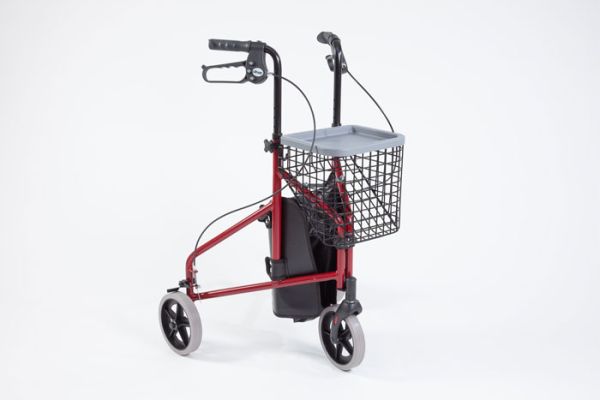
- Available with bags, baskets and seats
- Height-adjustable to promote proper posture
- 3-wheel design, easy to manoeuvre
- Brakes for enhanced safety
- Lightweight and folding, compact when stored
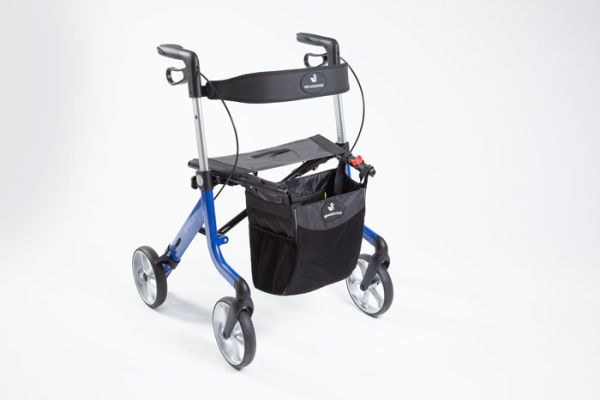
- Available with bags, baskets and seats
- Height-adjustable to promote proper posture
- 4-wheel designs, easy to manoeuvre
- Brakes for enhanced safety
- Lightweight and folding, compact when stored
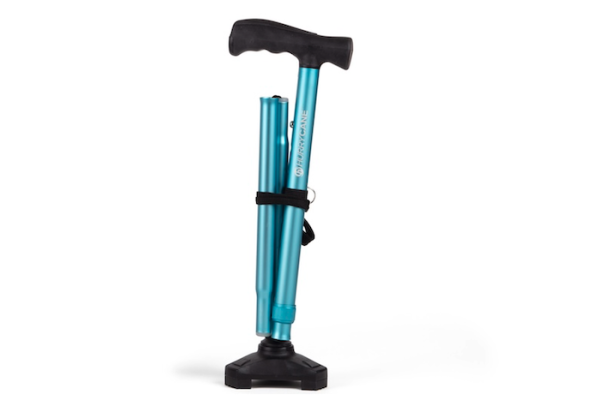
Walking Sticks
- Available in a choice of 4 stylish colours
- Height-adjustable to promote proper posture
- 3-point contact with the ground for optimum stability
- Free-standing design, keep within easy reach
- Lightweight and folding, compact when stored
Half Steps
- Available in three sizes—suitable for walking unaided, with walking sticks, or with walking frames
- Slip-resistant surface
- Designed for indoor or outdoor use
- Adjustable in heights up to 180mm
- Solutions with handrails available for added support
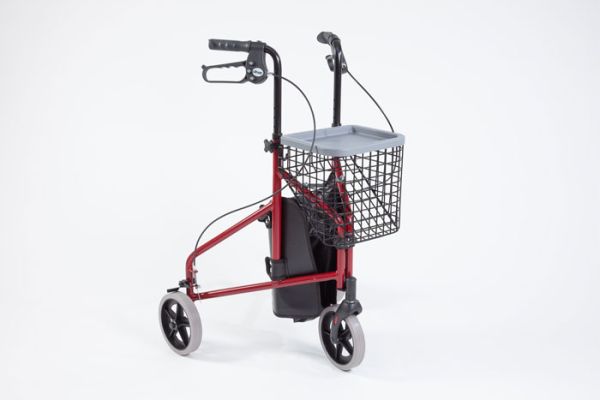
Tri-Walkers
- Available with bags, baskets and seats
- Height-adjustable to promote proper posture
- 3-wheel design, easy to manoeuvre
- Brakes for enhanced safety
- Lightweight and folding, compact when stored
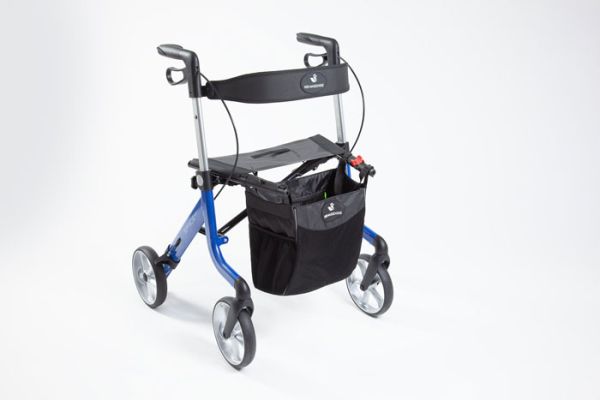
Rollators
- Available with bags, baskets and seats
- Height-adjustable to promote proper posture
- 4-wheel designs, easy to manoeuvre
- Brakes for enhanced safety
- Lightweight and folding, compact when stored
Why Choose The Ramp People's Half Steps
Anti-slip Surface
Designed for optimum grip, all of our half steps offer an anti-slip finish, such as PGR mesh or chequered aluminium.
Adjustable Heights
Our half steps can be adjusted in height so you can set the half step to a height that’s comfortable and manageable.
Premium Quality
Built from high-quality metals for durability and backed by a minimum two-year warranty.
What Height Should a Walking Stick Be?
- The required height for a walking stick depends on your height.
- Measure the vertical height from the ground to your wrist joint, the walking stick should be set to this height to allow for a slight elbow bend when using the stick. Where you plan to use the stick outside, we suggest measuring with shoes on to check the required height. When using a walking stick the user should be able to maintain an upright posture. If you are unsure on the most suitable height for you we would recommend speaking to your doctor, Occupational Therapist or a physiotherapist.
How to Walk with a Walking Stick
- If you are planning to use a walking stick, we recommend speaking to your doctor or Occupational Therapist for specific guidance on how best to use a walking cane based on your abilities. In general, if the walking stick is being used due to a weak or painful leg, the walking stick should be held in the hand opposite to that of the weak leg. It is recommended by the NHS that you place the stick forward first, then your weak/painful leg and then your other leg.
Maintenance and Care
- The walking sticks require very little maintenance, simply wipe or sweep clean when required. We recommend regularly checking the stick for signs of wear. The tips of the walking stick can be replaced when needed.
Walking Sticks vs Rollators
- When choosing between a walking stick and rollator, it does depend on the user's abilities. In many instances users own a walking stick and a rollator which is why many rollators are offered with walking stick holders.
- Walking sticks provide less support than rollators and therefore are often used for minor issues or where users are travelling short distances, for instance around the home or garden.
- Rollators provide much more support than walking sticks and also offer features such as a seat to allow users to rest when needed and a bag to assist users to carry essentials and shopping.
Claiming VAT Relief
VAT relief is available across all of our mobility aids including wheelchair ramps, threshold ramps, half steps, rollators, wheelchairs. In the UK, people with long-term disabilities do not have to pay VAT on mobility aids. Registered charities also do not have to pay VAT on these items. When you add the item to your basket simply complete your VAT exemption details in the VAT relief box to purchase the ramp without the VAT. It is a self-declaration, we simply require the user's full name and disability. You do not need to send over any paperwork as evidence, nor do you need to be registered as disabled or claim benefits.
Request a callback
Still need assistance? Our team is available throughout the week to help via phone, email, live chat or WhatsApp. If you’d rather we call you, you can easily request a callback here.