



Best Walking Aid for Balance: Rollators, Walkers and Walking Sticks
Best Walking Aid for Balance - A Complete Guide
Maintaining balance when out and about can be difficult for the elderly, those with injuries and those with disabilities.
Loss of balance can lead to falls and injuries which, depending on age and abilities, can significantly reduce confidence and independence and may have long-term effects.
In this guide we will look at the types of walking aids available to help support you at home and out and about.
Why Use a Walking Aid for Balance?
Walking aids provide valuable support for users both at home and when out and about. They are often height-adjustable, allowing them to be set at the correct level for the user. This helps promote better posture while ensuring the aid is comfortable and safe to use.
With weight capacities typically ranging from 100kg to 300kg, walking aids are designed to safely support the user’s body weight. Higher capacities are available for bariatric users. This allows individuals to lean on them with confidence whenever extra balance or stability is needed.
They can also help reduce strain and pressure on the legs, hips, and joints, which is particularly beneficial for people living with arthritis, those recovering from surgery, or anyone experiencing reduced mobility. Their supportive design can help lower the risk of falls by providing additional stability during movement.
Many walking aids also include practical features to improve comfort and independence. For example, 4-wheeled rollators often come with built-in seats, allowing users to sit and rest whenever needed. This can be especially helpful for individuals who experience fatigue, weakness, or occasional dizziness when walking longer distances.
For those looking for the most supportive solution, 4-wheeled rollators provide the most support when walking.
Common benefits include:
- Improved balance
- Reduced risk of falls
- Improved confidence
- Reduced strain on muscles and joints
What To Consider When Choosing a Walking Aid?
When choosing a walking aid it is important to consider your abilities as some mobility aids offer more support than others.
Walking sticks provide light support to users and are often aimed at those with limited mobility or injuries on one side. Walking sticks are also commonly used in conjunction with rollators. For example, many use a walking stick for short journeys or around the home but use a 4-wheeled rollator for additional support when out and about.
Types of Walking Aids
Walking Sticks
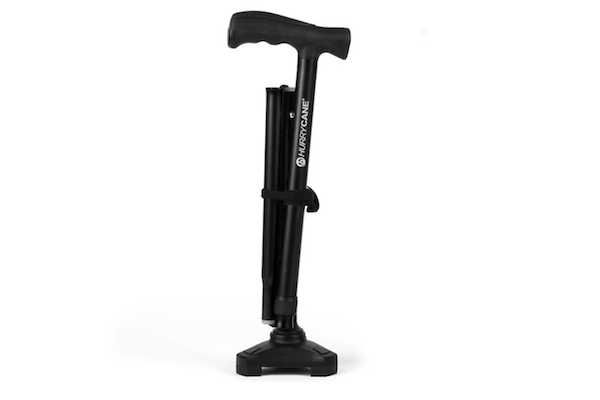
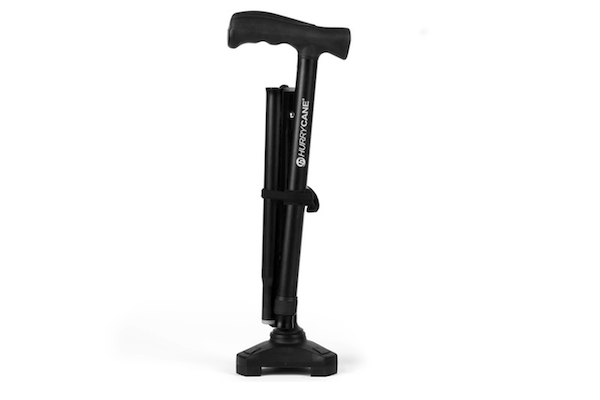
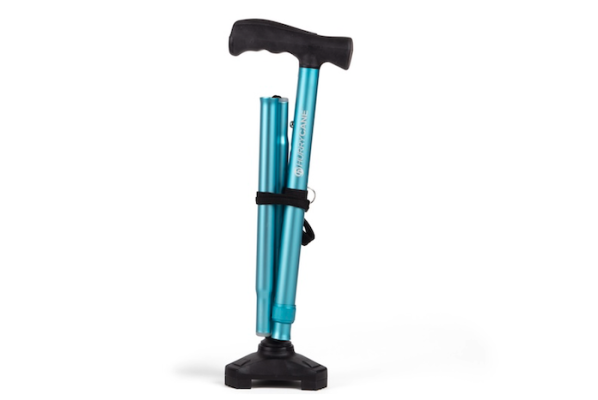
Walking sticks are often height adjustable to meet your needs. They are lightweight and portable and generally used for those who require minimal support when walking. There are a wide range of walking sticks available including aluminium and wooden solutions along with all-terrain walking sticks.
Indoor Walking Frames
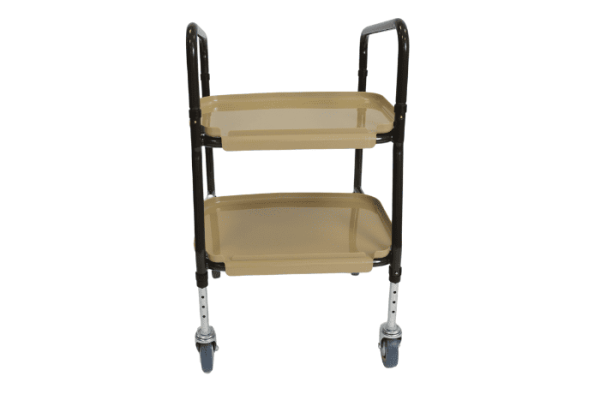
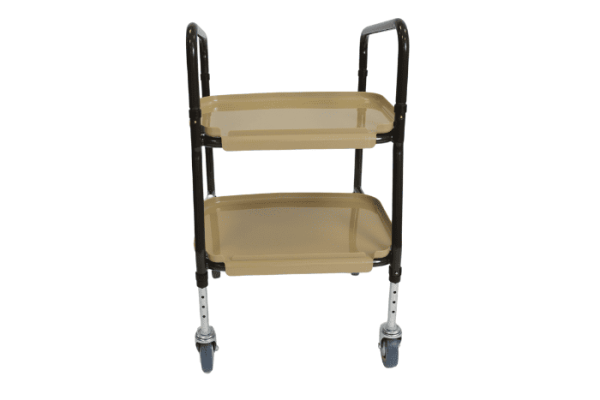
Walking frames, or zimmer frames, are commonly used indoors to support users around the home. They are often made of aluminium and are commonly provided to users by the NHS when leaving hospital. Mobility trolleys are similar but include trays to assist users to move items from room to room - not all of these are designed to support the users weight.
Indoor Rollators
-
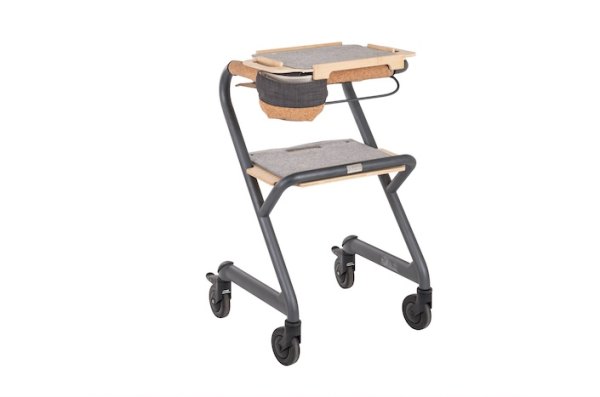
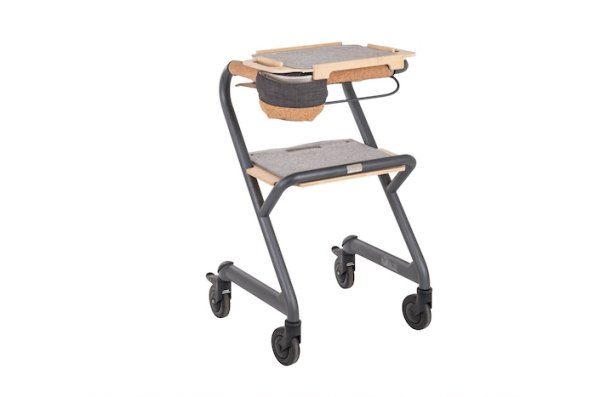
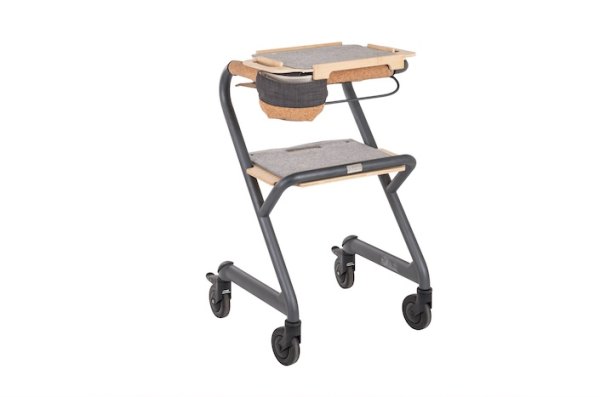
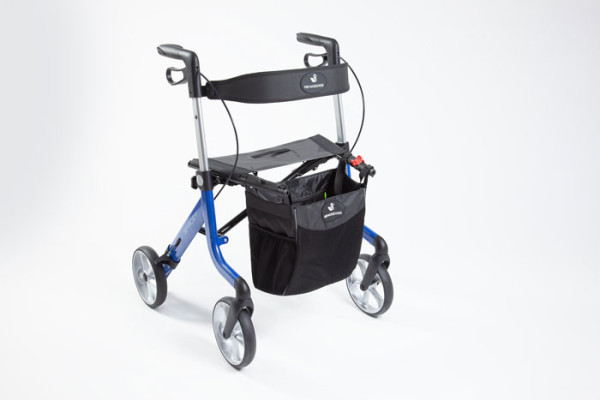
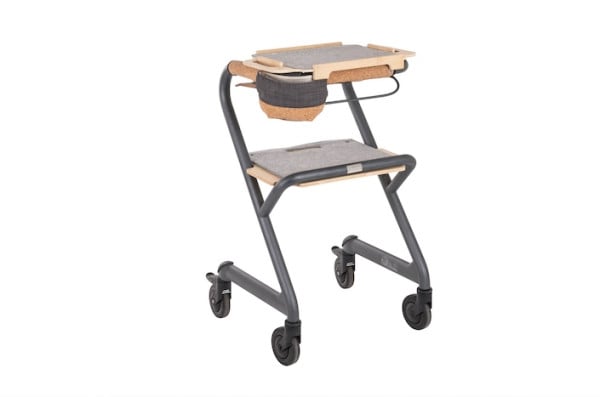
Indoor rollators have smaller wheels than outdoor rollators and are often narrower. They come in a range of designs with solutions with trays, bags and seats to meet your needs. The Saljol Indoor Rollator is especially beneficial for those with balance issues as it can support the weight of the user.
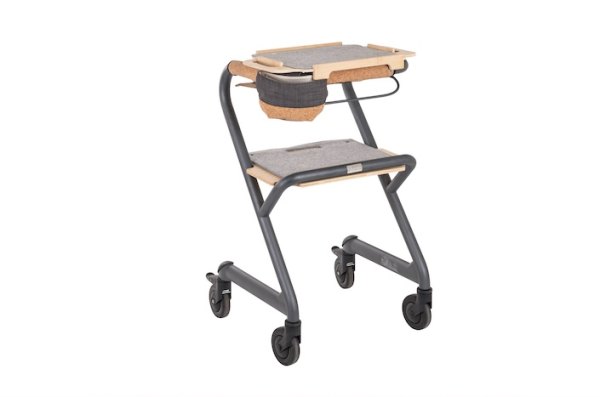
3-Wheeled Rollators
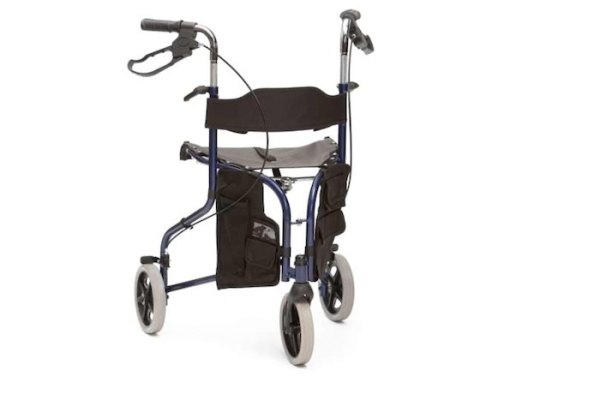
3-wheeled rollators, or Tri-Walkers are lightweight and allow users to easily navigate tight spaces and narrow doorways. They are often provided with a bag and tray with some solutions including a seat. They provide more stability than walking sticks but less support than 4-wheeled rollators.
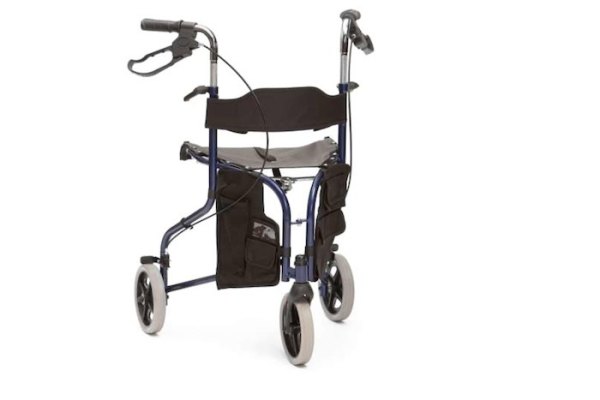
4-Wheeled Rollators
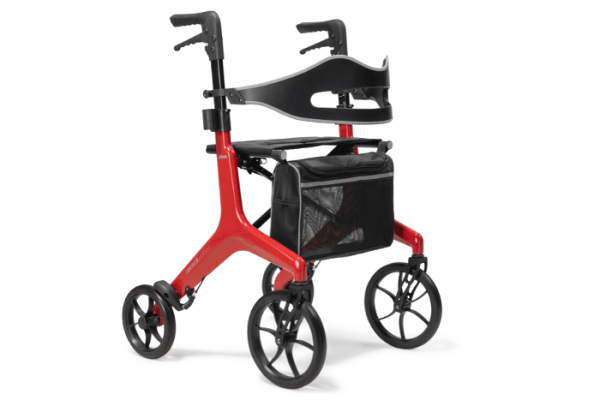
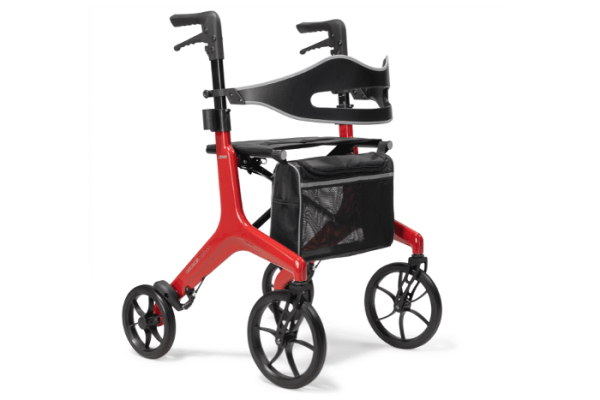
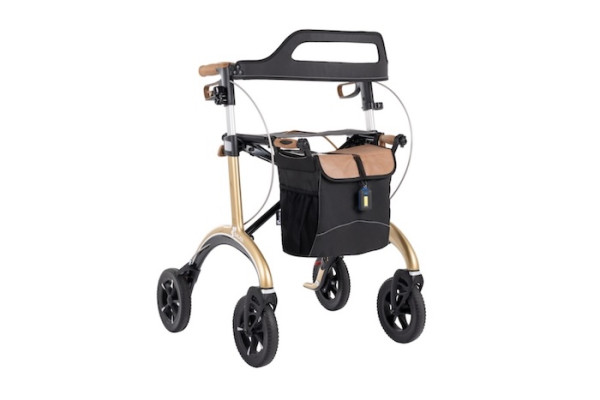
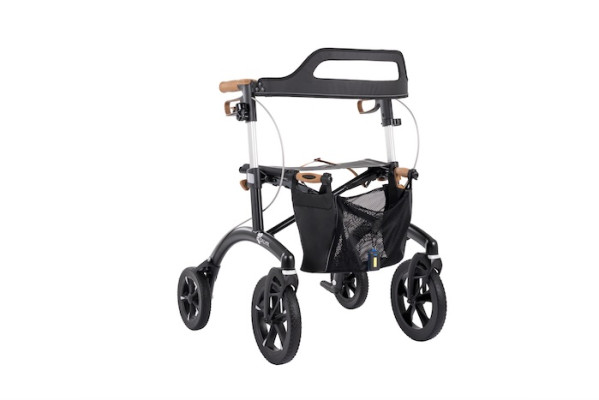
There is an extensive range of 4-wheeled rollators available including folding solutions, solutions with seats, bags and trays. The majority are designed for outdoor use with all-terrain solutions available for those who like exploring the outdoors.
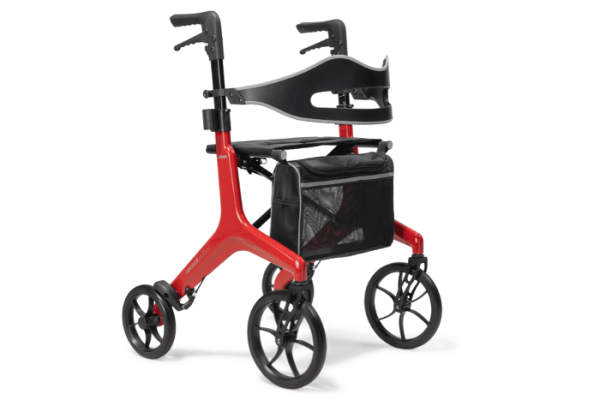
Walking sticks are often height adjustable to meet your needs. They are lightweight and portable and generally used for those who require minimal support when walking. There are a wide range of walking sticks available including aluminium and wooden solutions along with all-terrain walking sticks.
Walking frames, or zimmer frames, are commonly used indoors to support users around the home. They are often made of aluminium and are commonly provided to users by the NHS when leaving hospital. Mobility trolleys are similar but include trays to assist users to move items from room to room - not all of these are designed to support the users weight.
-
Indoor rollators have smaller wheels than outdoor rollators and are often narrower. They come in a range of designs with solutions with trays, bags and seats to meet your needs. The Saljol Indoor Rollator is especially beneficial for those with balance issues as it can support the weight of the user.
3-wheeled rollators, or Tri-Walkers are lightweight and allow users to easily navigate tight spaces and narrow doorways. They are often provided with a bag and tray with some solutions including a seat. They provide more stability than walking sticks but less support than 4-wheeled rollators.
There is an extensive range of 4-wheeled rollators available including folding solutions, solutions with seats, bags and trays. The majority are designed for outdoor use with all-terrain solutions available for those who like exploring the outdoors.
Walking Aid Features To Look Out For
Check the height can be set to a height which is comfortable for you.
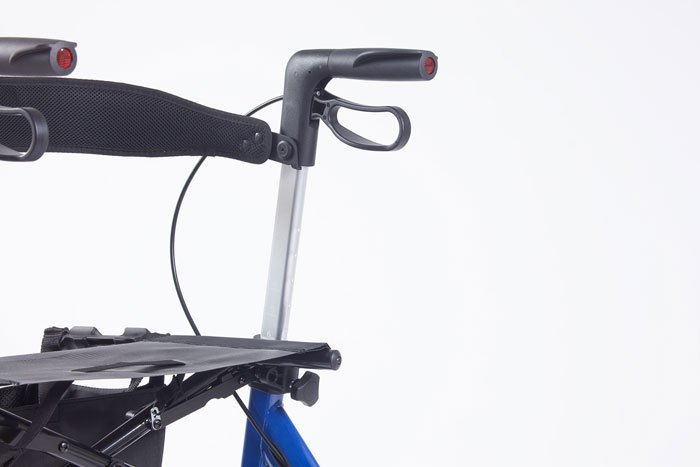
A seat is perfect for those who need a safe place to rest when needed.
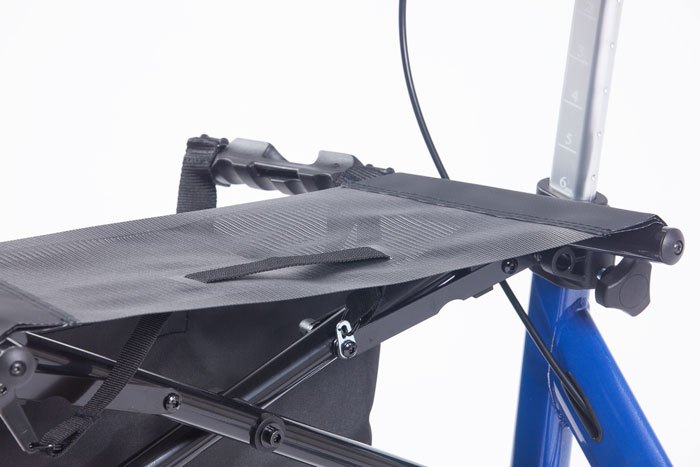
Prevent the rollator brake wires becoming caught on bushes or objects around the home.
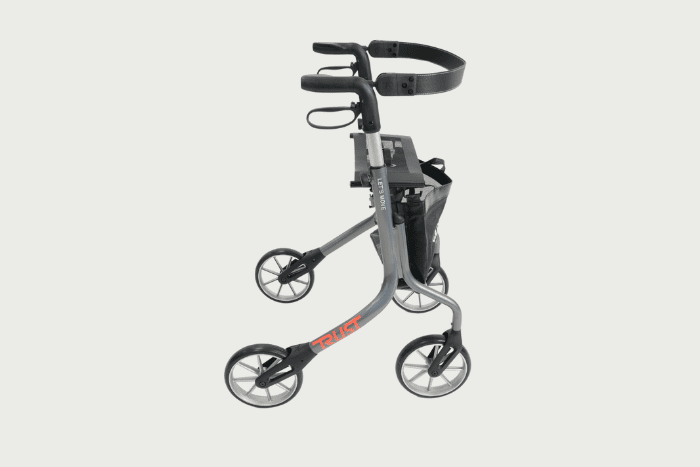
Full-width brakes and handle brakes are available to allow you to safely slow down and park rollators.
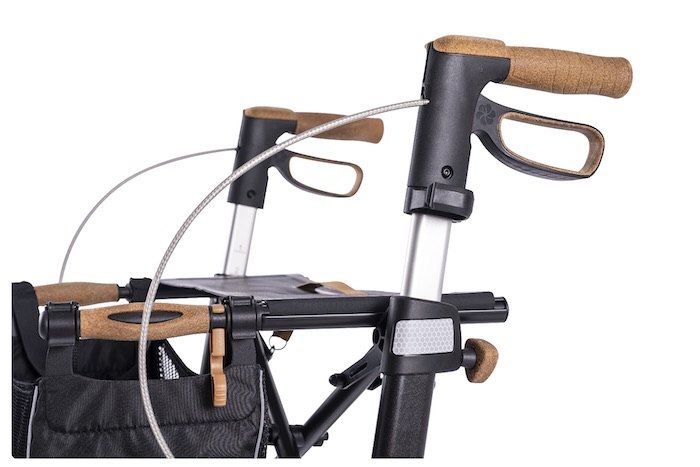
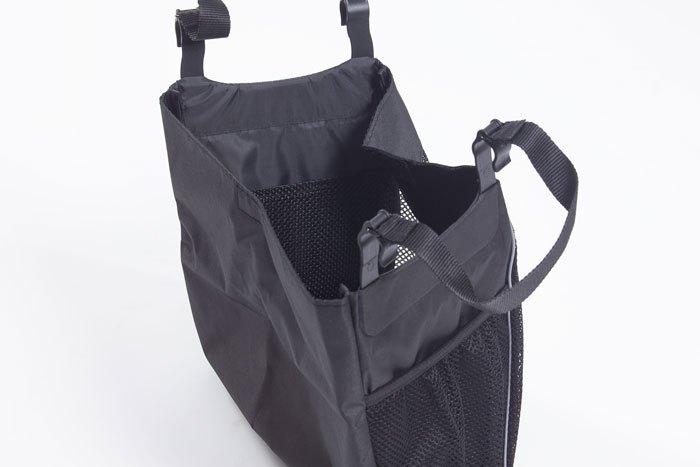
Rollators can include various accessories including bags, backrests, trays, walking stick holders, LED lights and more.
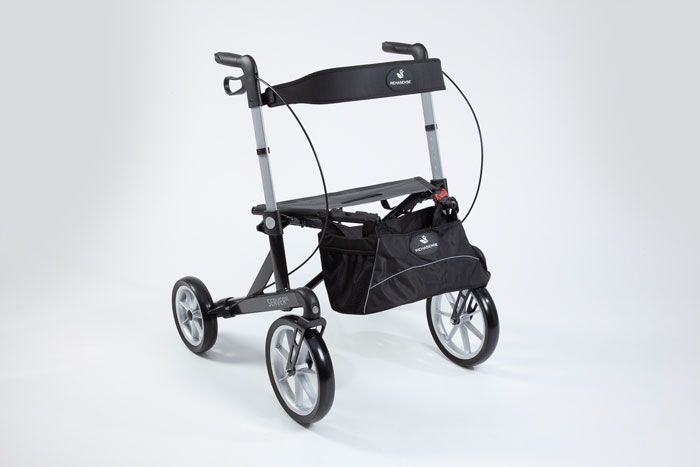
For outdoor use on rough ground, look for rollators with large front wheels.
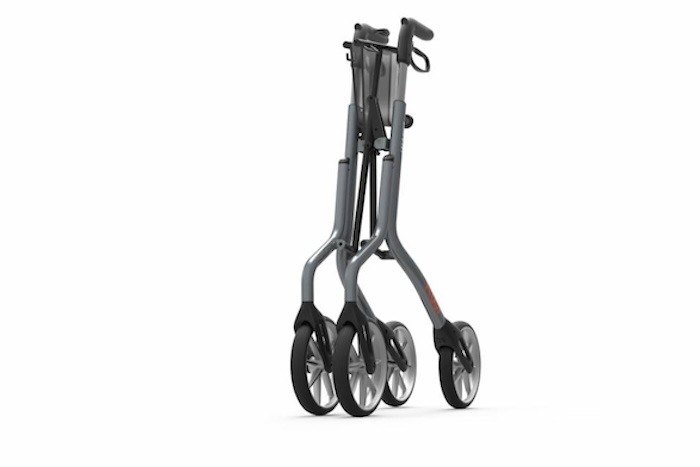
If you plan to store the walking aid in the car or cupboard check the stored size. We also suggest checking the weight is manageable for you.
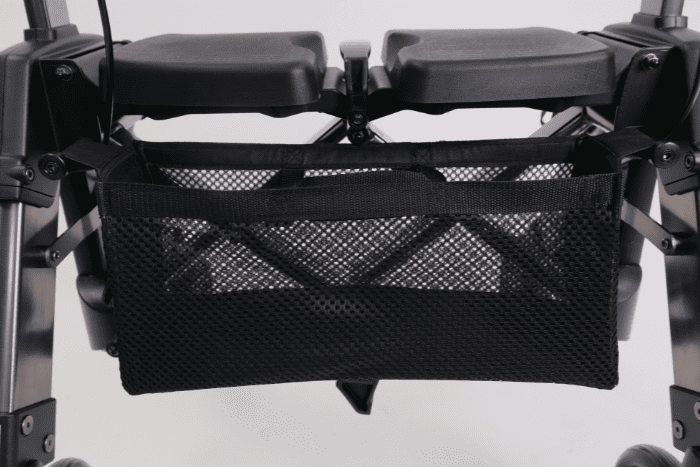
Seat options include mesh weather resistant options. The seat width can vary with bariatric solutions offering wider seat widths.
For enhanced safety look for grinding brakes and tipping aids (found on the Saljol Carbon Rollator) to assist you to control the rollator and overcome kerbs.
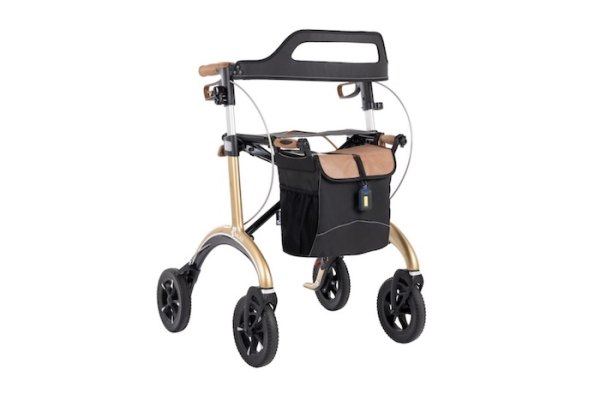
Our Top Pick
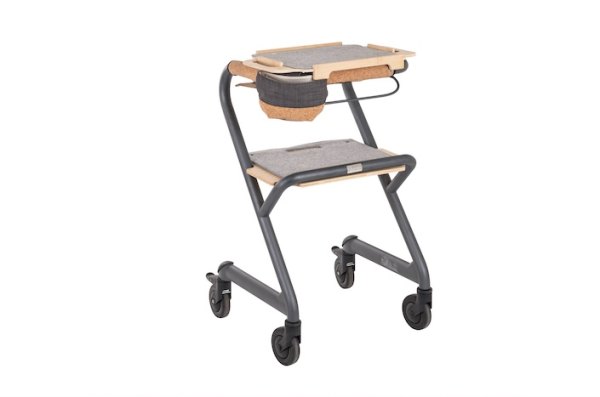
Our favourite Indoor Walking Aid is the Saljol Indoor Rollator.
This premium rollator is perfect for those who suffer from dizziness or struggle with their balance.
The walking aid acts like a mobile handrail, providing optimum support throughout the home.
The clever design allows the walker to be turned and moved through narrow doorways whilst still providing support. The tray allows users to move items from room to room, whilst the seat provides a safe place to rest when needed. Users can also sit down and use their feet to move the rollator in times of fatigue or weakness.
Where to purchase Walking Aids
- Walking aids are available to purchase online and in stores. You may also be eligible to receive a walking aid through the NHS, we suggest speaking to your doctor or Occupational Therapist.
- All walking aids can be purchased VAT exempt for those with long-term disabilities.
Where to purchase Walking Aids
- The best walking aid for balance depends on your individual needs, mobility level, and lifestyle. A simple walking stick may provide enough support for minor balance issues, while a rollator or walking frame may be better suited for those who require greater stability.
- Choosing the right aid can significantly improve confidence, independence, and safety, helping you stay active and mobile in everyday life.
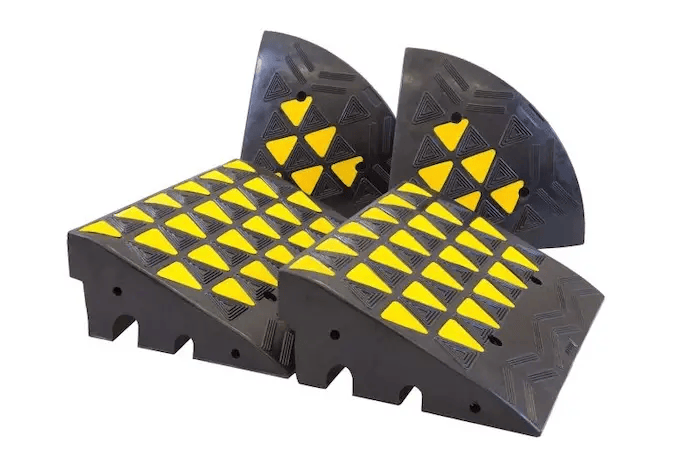
Fixed Kerb Ramps
- Available in 10cm, 15cm, or 20cm height options; heavy duty 20,000 kg capacity
- Purchase a single 600mm wide ramp or a kit
- Provided with fixings if you wish to secure the ramp in place
- Black with light reflectors for high visibility
- Anti-slip surface, can be left outside
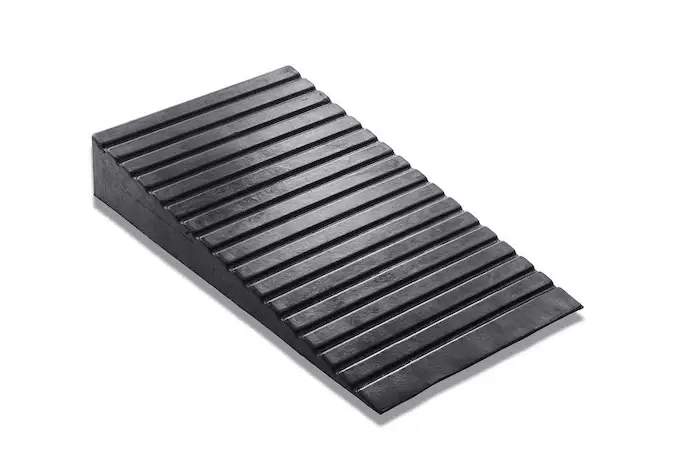
Rubber Ramps
- Available in heights from 4mm - 203mm; 1,000kg capacity
- Various widths from 400mm to 1000mm, cut to amend the width when required
- Anti-slip surface, can be left outside
- Smooth gradient for ease of loading
- Straight-edge design, place multiple units side by side to create wider widths
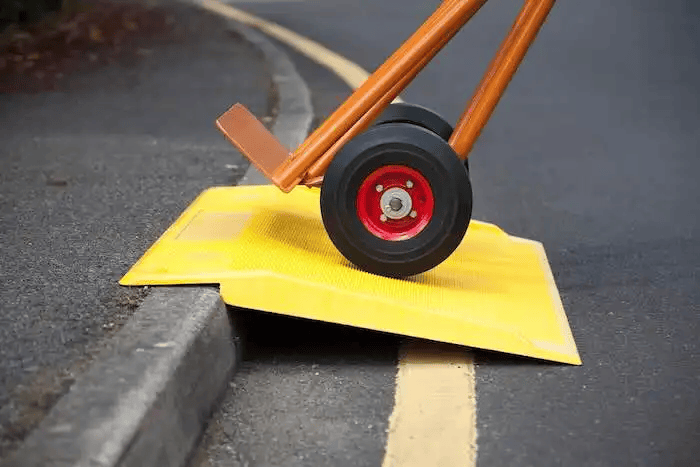
Kerbhopper
- Designed for loading at heights up to 200mm, 500kg capacity
- 1.2m wide, push or sit on your bike during loading
- Portable and lightweight design, use in various locations
- High visibility anti-slip yellow surface
- Simply rest onto the step or container and start loading
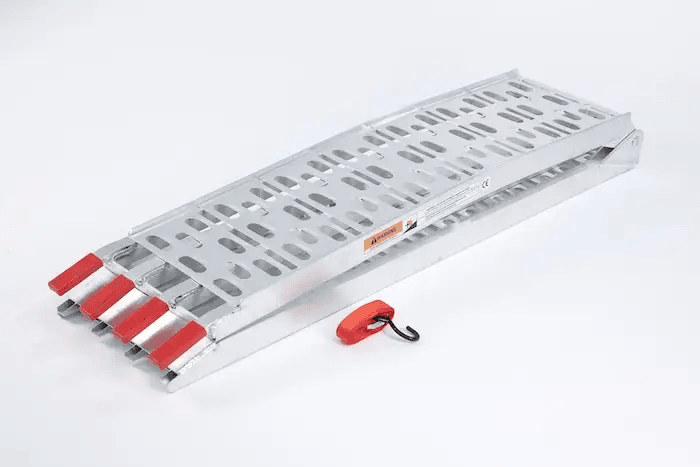
1.5m Folding Ramp
- 1.5m folding ramp, designed for loading at heights between 380mm - 450mm
- 340kg capacity, perfect for motorbikes
- Portable design, lightweight at 6kg
- Lightweight and folding design for easy storage
- Simply rest onto the step and start loading
Request a callback
Still need assistance? Our team is available throughout the week to help via phone, email, live chat or WhatsApp. If you’d rather we call you, you can easily request a callback here.
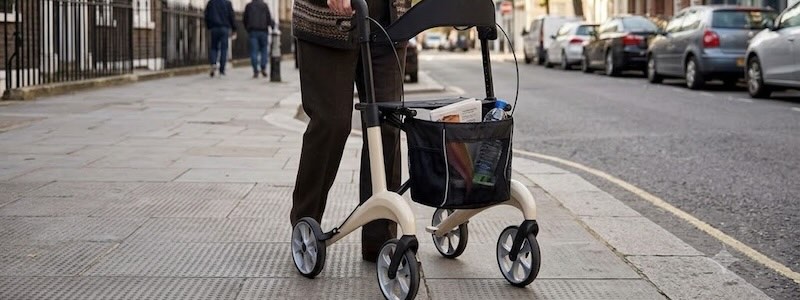
Rollator Walker with Seat: Why It’s the Ideal Mobility Aid for Everyday Independence
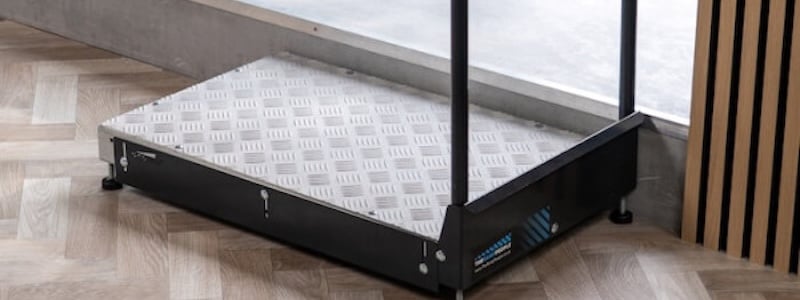
What Is a Half Step? Benefits, Uses and Advice
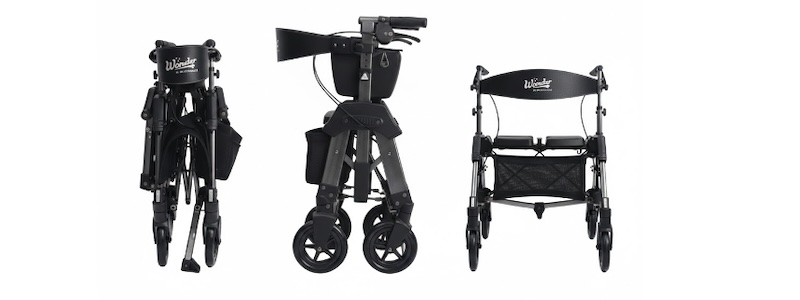
Stander Wonder HD Rollator Review: Bariatric Rollator with a Wide Seat
- Categories:
- All
- Vehicle & Plant Loading Ramps
- Wheel Stops
- Workplace Safety
- Speed Bumps
- Accessibility & Disability
- Wheelchair Threshold Ramps
- Truck & Van Ramps
- Cable Covers & Protectors
- Road Safety
- Yard & Container Ramps
- TRP News
- Pet Ramps
- Car Ramps
- Tips and Product Guides
- Customer Case Studies
- Wheelchair Ramps
- Loading Ramps
- Workplace and Health & Safety