



What Is a Half Step? Benefits, Uses and Advice
Accessing homes can be difficult following surgery, after a fall or when suffering from a disability. Many struggle to overcome doorways and steps due to health conditions. Many users struggle to lift their leg to overcome the doorway due to pain, whether in their back or leg, whilst others struggle to overcome steps and doorways due to a fear of trips and falls.
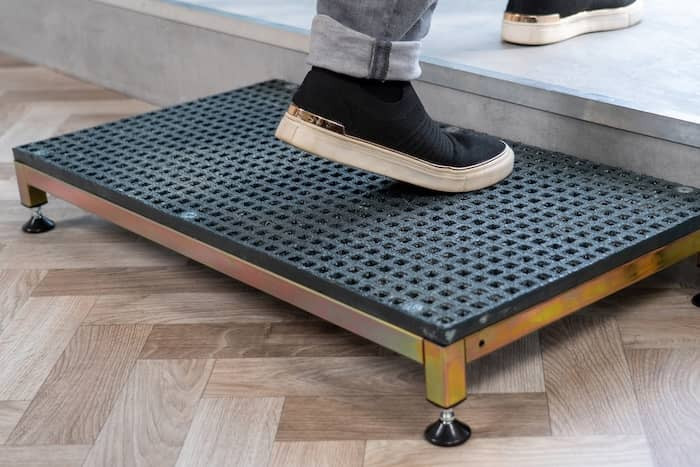
A half step is a simple mobility aid designed to reduce the height difference between the ground level and the existing step or doorway. By reducing the height difference, it makes it easier for users to overcome the height.
What is a Half Step and where are Half Steps used?
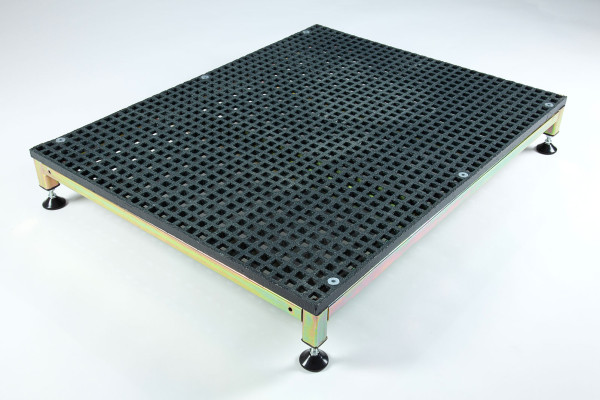
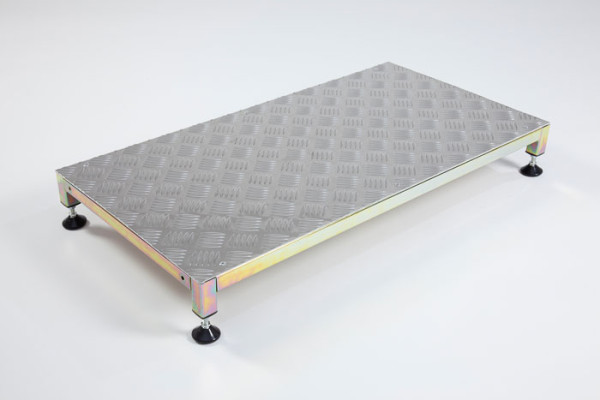
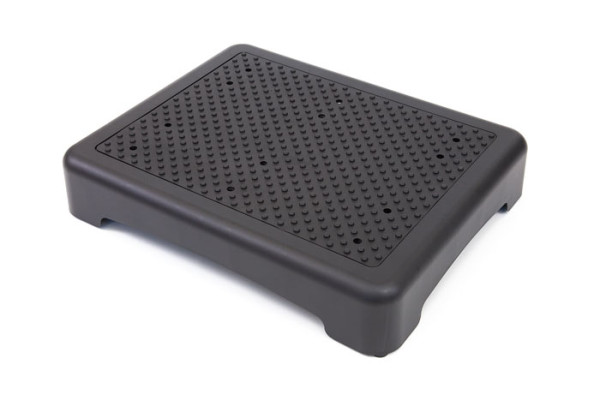
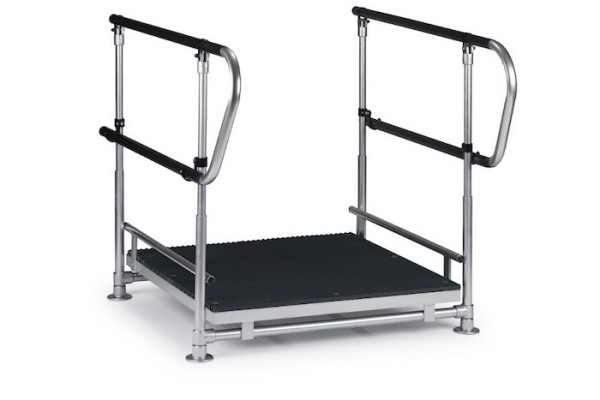
A half step is a low platform that is placed in front of an existing step or doorway to reduce the distance a person needs to step up or down, in turn making the step more manageable.
Rather than climbing one large step, users take two smaller steps. This is especially beneficial for those with limited mobility, reduced strength, balance concerns, joint pain and those recovering from surgery.
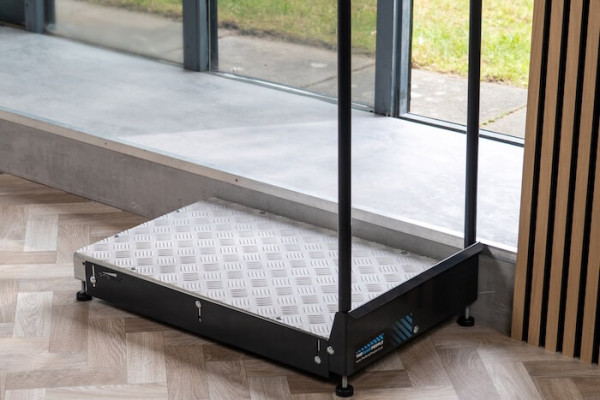
Half steps are commonly used outside the front door or back door of a home to allow users to leave the property safely. They are often also found in workplaces to improve access or where the property has a high step, which is causing a trip hazard.
Half steps are commonly recommended by Occupational Therapists when individuals as part of a treatment plan when individuals are discharged from hospital care and return home.
Who can benefit from using a half step?
- The elderly - As we age, climbing steps can become more difficult as strength, flexibility and balance reduces.
- Those recovering from surgery - For those recovering from knee, hip, ankle or back surgery, steps can often be challenging.
- Those with disabilities - Conditions such as arthritis can make lifting the legs and placing weight on joints painful, so reducing the step height can help. Those with conditions such as Multiple Sclerosis (MS), Parkinson’s disease, muscular dystrophy, Chronic Obstructive Pulmonary Disease (COPD), heart disease, POTS, and those who have suffered a stroke also often find a half step beneficial. If you are unsure about suitability, we suggest contacting your doctor or Occupational Therapist
What is the benefit of using a half step?
- Reduce the effort needed to navigate steps and doorways
- Reduce the risk of trips and falls
- Reduce slips
- Reduce strain placed on joints
- Portable solutions that can be used in a variety of areas
- Use indoors or outdoors

How do you use a half step safely?
It is important the half step is located on level ground and the feet sit flush with the ground.
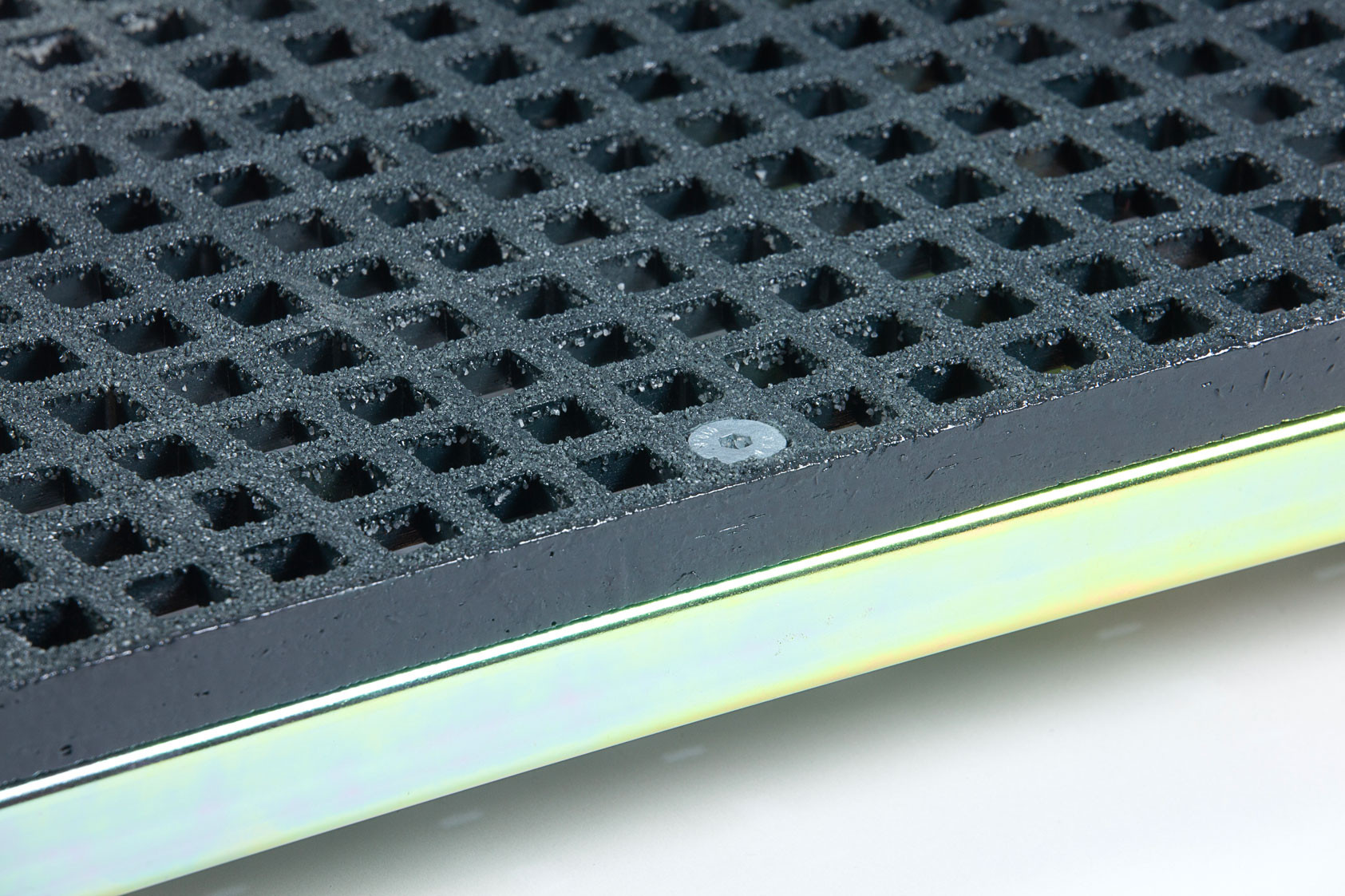
If you are using the half step outdoors, ensure you purchase a half step which is suitable for outdoor use, such as one with a self-draining anti-slip surface.
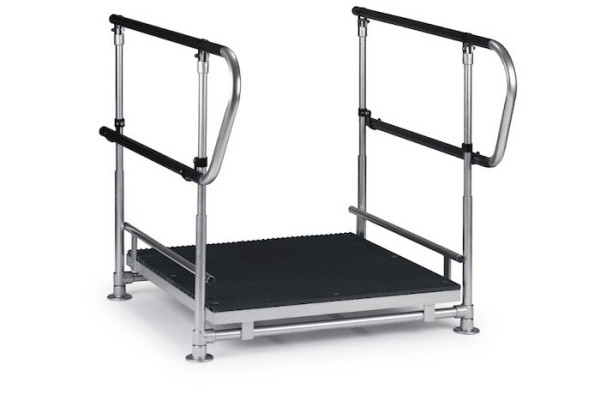
Consider your abilities, for some a half step with handrails is preferable for additional support.
Half steps are available in a choice of sizes. It is important to consider if you will be using a mobility aid on the half step. For those using walkers and rollators, an extra large half step is usually recommended.
Who should not use a half step?
A half step is designed to support those walking. If you are unsure whether a half step stool is suitable for you we would recommend contacting your doctor or Occupational Therapist for advice.
What height should the half step be set to?
Many half steps are adjustable in height to allow you to achieve a comfortable height for you. The height it is set to does depend on your abilities. Generally, we recommend setting the adjustable steps to be half the height of the step or door threshold which you wish to overcome.
What features do half steps have?
The features of the stool depend on your chosen product.
Many half steps are height adjustable to allow you to achieve a comfortable height.
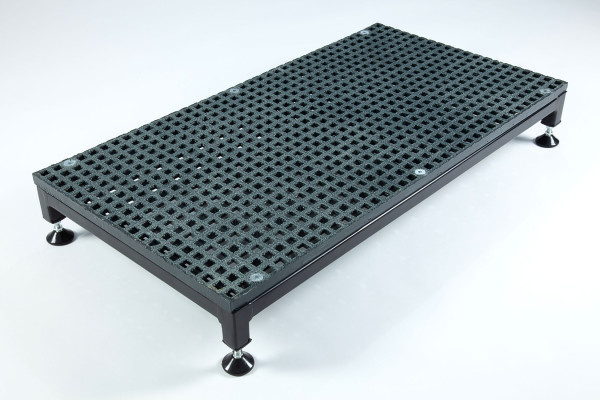
There are plastic and metal designs available to allow you to select a lightweight portable solution or a solution which can be left in place.
Half steps are available in a choice of sizes to meet your needs and to cater for all walking aids from walking sticks to rollators.
Half steps with a single or dual handrail are available for additional support.
What installation do half steps require?
Many half steps are portable and require no installation; simply insert the feet (where relevant) and start using. Some half steps, including fixing points to secure the step to the ground. This is especially beneficial in areas where the half step is located in front of the property and can be at risk to theft. Instructions are provided for installation.
Should I purchase a ramp or a half step?
This is a matter of personal preference, abilities and space available.
If you know your condition is progressive and you will need a wheelchair or mobility scooter in the future, a wheelchair ramp is likely to be more cost-effective in the long term. Wheelchair ramps do take up more space than half steps so it does depend on your property.
For public areas, wheelchair ramps are more inclusive as they then make the area accessible to a wider range of users using a variety of mobility aids.
Can half steps be purchased VAT exempt?
Yes, as mobility aids, half steps can be purchased VAT exempt for those in the UK. When purchasing the half step simply complete your VAT exemption details in the VAT relief box which shows when you add the item to the basket. We simply require the full name of the person the stool is for and disability or long-term medical condition or, if purchasing for a charity, the charity name and number.
At The Ramp People, we supply a wide range of half steps designed to improve accessibility at home and in the workplace. Our team regularly assists customers looking for solutions to reduce step heights and improve safety around entrances and doorways. For advice please contact our team.
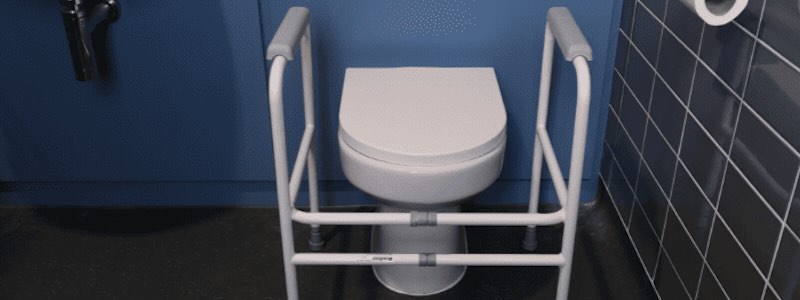
Essential Bathroom Aids for a Safer Home
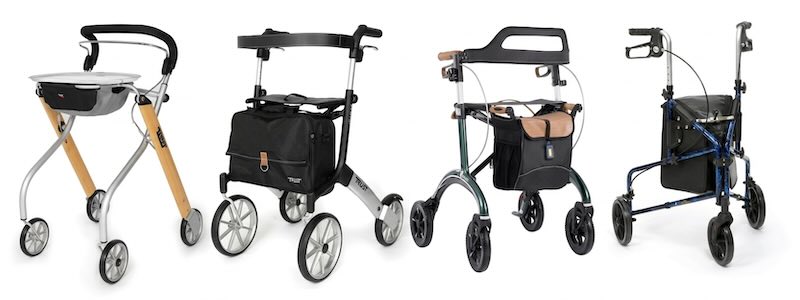
Rollator Walker Safety Guide: How to Choose and Use the Right Walking Aid
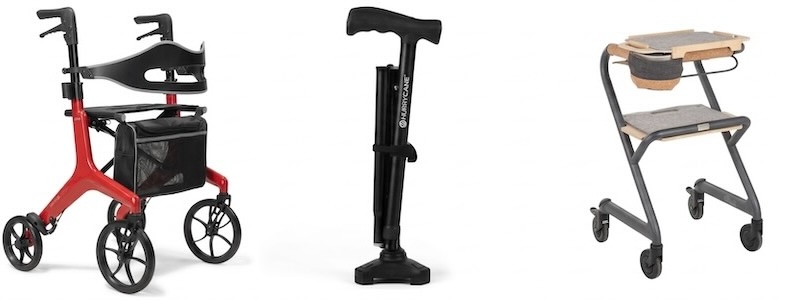
Best Walking Aid for Balance: Rollators, Walkers and Walking Sticks
- Categories:
- All
- Vehicle & Plant Loading Ramps
- Wheel Stops
- Workplace Safety
- Speed Bumps
- Accessibility & Disability
- Wheelchair Threshold Ramps
- Truck & Van Ramps
- Cable Covers & Protectors
- Road Safety
- Yard & Container Ramps
- TRP News
- Pet Ramps
- Car Ramps
- Tips and Product Guides
- Customer Case Studies
- Wheelchair Ramps
- Loading Ramps
- Workplace and Health & Safety