



Rollator Walker Safety Guide: How to Choose and Use the Right Walking Aid
Rollator Walker Safety Guide: How to Choose and Use the Right Walking Aid
Rollator walkers are essential mobility aids designed to support users when walking and to promote greater independence. Choosing the right rollator, and purchasing it from a reputable supplier, is crucial for ensuring safety, comfort, and long‑term reliability. Because different mobility aids offer varying levels of support, it’s important to select a rollator that matches the user’s individual needs.
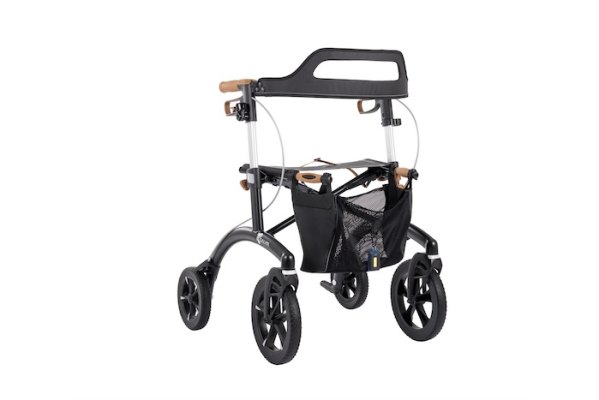
What is a Rollator?
A rollator, often called a rollator walker, is a wheeled walking aid designed for people who need extra stability and support while moving around. Unlike standard walking frames, rollators typically feature three or four wheels, making them easier to manoeuvre both indoors and outdoors.
Most rollators include adjustable handles for proper posture and brakes and parking brakes for enhanced control and safety. Rollators also often include seats to allow users to rest when needed, bags to assist users to carry shopping and essentials along with reflectors for visibility in low-light conditions. Many models are folding with lightweight aluminium and carbon options available, perfect for those who struggle to lift the rollator into the car boot or over kerbs.
Rollators can significantly enhance mobility, but only when they are correctly fitted and purchased from a trusted supplier. A high‑quality rollator ensures safe use, long‑term durability, and the right level of support for the user’s mobility needs.
What Safety Standards Do Rollators Meet?
In the UK, rollators are classified as Class 1 Medical Devices. This category includes low‑risk, non‑invasive products designed to support users safely in everyday life. To be legally sold in the UK, a rollator must meet several regulatory requirements that ensure its safety, quality, and performance.
In the UK rollators must be registered with the Medicines & Healthcare products Regulatory Agency (MHRA). This confirms that the manufacturer or supplier meets UK regulatory obligations. They also must meet regulations of the requirements of EU Regulation 2017/745 (MDR) which sets strict standards for safety, performance, and labelling. In addition they should be CE marked and UKCA marked to demonstrate compliance with UK‑specific medical device regulations.
Beyond mandatory regulatory requirements, many high‑quality rollators are also designed and tested in line with international standards to ensure durability, stability, and user safety. For example, ISO 11199-2:2021 Part 2 is the standard which focuses on the requirements and test methods for assistive products for walking including rollators. The standard provides guidance around safety, ergonomics and performance of rollators along with marking and labelling.
A further standard some rollators comply to, such as Saljol rollators, is ISO 10993-5, the standard for the biological evaluation of medical devices.
Who Can Safely Use a Rollator?
With so many walking aids available, it’s important to understand whether a rollator is the right mobility solution for your needs. Rollator walkers are designed to provide support, stability, and confidence when walking, whether at home, outdoors, or in community settings. They come in various styles, including 3‑wheeled rollators, 4‑wheeled rollators, and indoor rollators, each offering different levels of support.
In general, 4‑wheeled rollators provide the most stability, while 3‑wheeled models are lighter and easier to manoeuvre in tight spaces. Many rollators also include practical features such as seats, bags, and baskets, helping users rest when needed and carry essentials safely, boosting independence.
Rollators are commonly used by people with a wide range of mobility challenges. These include individuals with arthritis, those recovering from hip or knee replacement surgery, people with COPD, POTS, HSD, MS, ME, users with weak muscles, those who experience fatigue, and older adults who need extra support when walking. They can also be beneficial for people with disabilities who require a stable walking aid to move safely and confidently.
However, a rollator is not suitable for everyone. People with severe balance problems or those who are unable to stand unaided should not use a rollator, as it may not provide the level of support they require. In these situations, a wheelchair or mobility scooter is likely to be a safer and more appropriate option.
Some users may require specific rollator features depending on their condition. For example, individuals who have had a stroke, or those with Multiple Sclerosis or similar neurological conditions, may find it difficult to walk in a straight line. In these cases, a rollator with a grinding (drag) brake can help regulate walking speed and improve straight‑line movement. The Saljol Carbon Rollator, for instance, allows the grinding brake to be applied on one or both sides to match the user’s walking pattern.
For users with arthritis in their hands or those who have limited hand function following a stroke, there are rollators available with one‑hand brake control. Some models from Rehasense and Saljol offer this feature, making the rollator easier and safer to operate.
If you are unsure whether a rollator walker is the most suitable walking aid for your needs, it is recommended that you speak with your doctor, physiotherapist or Occupational Therapist. They can assess your mobility and advise on the safest and most appropriate solution for you.
What Alternative Walking Aids Are Available?
There is a wide range of alternative walking aids available to support users with limited mobility. These include walking sticks, crutches, zimmer frames (walking frames), wheelchairs, powerchairs and mobility scooters. Each option offers a different level of support, stability and independence, making it important to choose the aid that best suits your mobility needs and daily activities.
What Are The Different Types of Rollators
Indoor Rollators
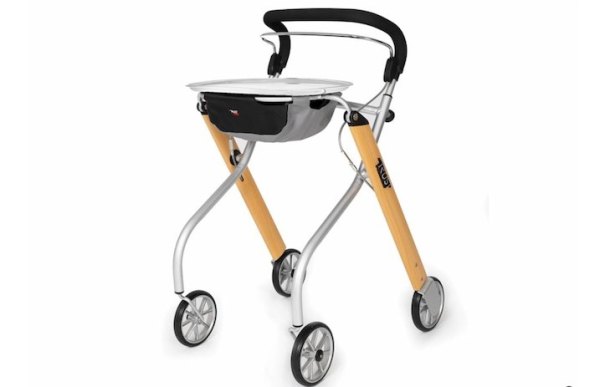
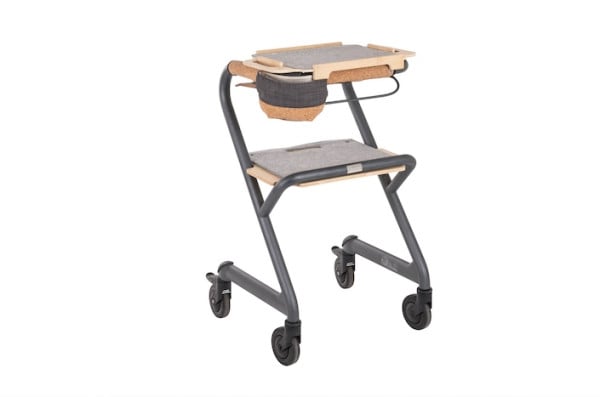
Indoor rollators are designed specifically for use around the home. They are generally narrower than outdoor rollators and feature smaller wheels, making them ideal for level surfaces and navigating tight spaces such as hallways, kitchens and bathrooms. Indoor rollators are available in a variety of designs, including folding and non‑folding models, and many come equipped with practical accessories such as trays, bags and sometimes seats to support daily tasks and improve independence.
3-Wheel Rollators
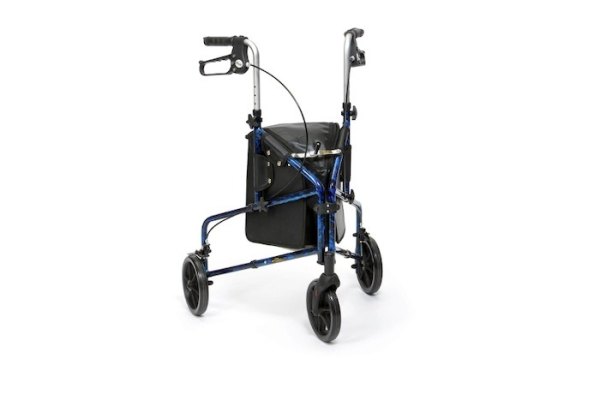
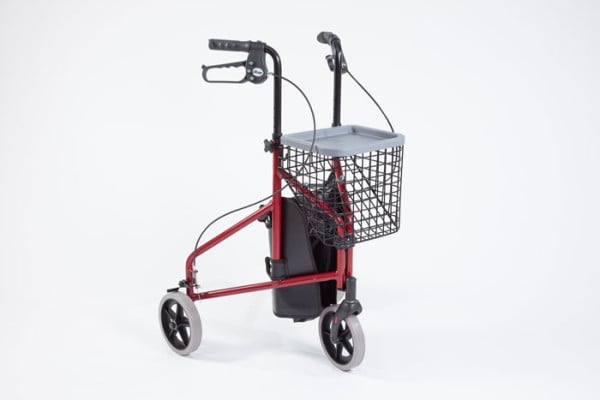
3‑wheeled rollators, also known as tri‑walkers, are typically less supportive than 4‑wheeled rollators but offer excellent manoeuvrability. Their slim, lightweight design makes them perfect for use in narrow or crowded spaces, both indoors and outdoors. Most 3‑wheel rollators are height adjustable and may include useful accessories such as bags, trays or baskets, providing a convenient and compact mobility solution.
4-Wheel Rollators
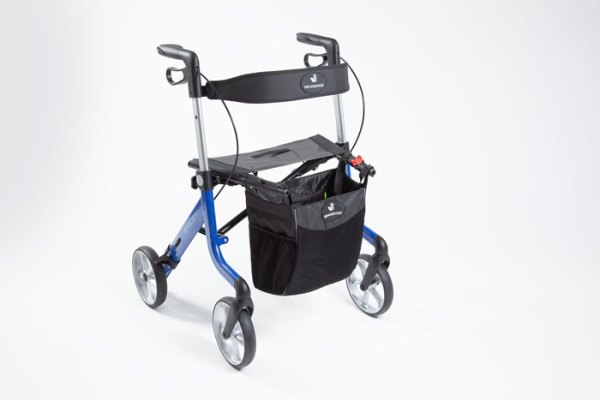
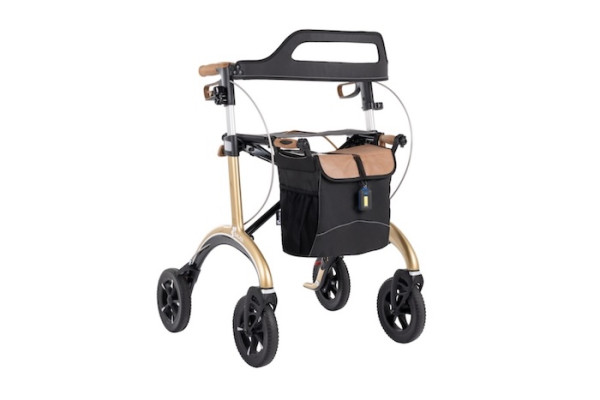
4‑wheel rollators are one of the most popular walking aids due to their stability and versatility. They usually feature adjustable handles, reliable brakes, a comfortable seat, a storage bag and often a backrest for added support. These rollators are ideal for outdoor use and longer walks, and most models fold easily for storage at home or in the car boot. As they are wider than indoor and 3‑wheel options, they may not always be suitable for tight indoor spaces.
All-Terrain Rollators
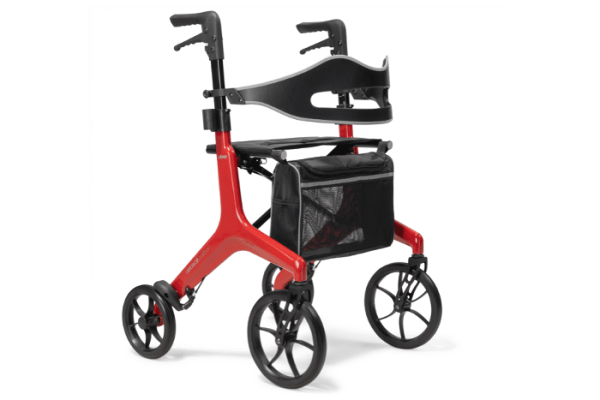
All‑terrain rollators are designed for users who regularly walk on uneven or rough surfaces. They typically feature larger front wheels to help navigate kerbs, gravel paths, grass, garden areas and park trails. These rollators are usually height adjustable and include a seat, bag and backrest for comfort, along with reflectors for improved visibility. They provide enhanced stability and confidence for users who enjoy spending time outdoors.
How to Use a Rollator Safely
Before using a rollator, always read the manufacturer’s instructions carefully. This ensures you understand how your specific model works and helps you use it safely and correctly.
It is essential to make sure the rollator is suitable for your needs in terms of height, weight capacity and width. Bariatric rollators are available for users who require a higher weight limit, a more supportive frame or a wider seat. Choosing the correct size and style of rollator will greatly improve comfort and safety.
Always use the rollator for its intended purpose. Some rollators are designed exclusively for indoor use, while others are built for outdoor environments. Indoor rollators typically have smaller wheels, which are ideal for smooth, level surfaces but not suitable for rough ground. If you plan to walk on uneven terrain, gravel paths or grass, an all‑terrain rollator is recommended. These models have larger front wheels designed to overcome obstacles and handle outdoor conditions more effectively.
Most rollators feature height‑adjustable handles. Setting the correct handle height is important for maintaining a comfortable walking posture and ensuring the rollator provides proper support. When standing upright next to the rollator, the handles should be level with your wrists. This allows you to grip the handles comfortably without bending or overstretching your arms.
Rollators are equipped with brakes that help you slow down and control your speed, as well as parking brakes that should be engaged when the rollator is stationary. If your rollator has a seat, always apply the parking brake before sitting down to prevent the rollator from moving while you are seated. When walking, ensure the brakes are fully released.
Rollators should never be used on stairs. Only lift the rollator when it is folded and only if you feel physically able to do so. When folding your rollator, make sure it is securely locked in the folded position before placing it in a cupboard or car boot. Many models include a strap or clip to keep the rollator closed during transport.
Take extra care when walking on icy or wet surfaces, slopes or gravel. These conditions can reduce traction and stability, so move slowly and ensure your rollator is suitable for the environment you are walking in. For enhanced visibility, you may wish to seek a rollator with a cut-out backrest to allow you to see the path infront.
What Maintenance Do Rollators Require?
It is important that rollators are regularly maintained and kept in good working order to ensure they remain safe to use. Users should frequently check the rollator for any signs of damage, wear and tear, or loose bolts and fixings. If you notice any faults, it is essential to stop using the rollator and report the issue to the manufacturer or supplier for advice. They may be able to provide guidance, replacement parts or arrange repairs. Continuing to use a faulty walking aid can put you at risk of injury.
Many rollators come with a manufacturer’s warranty, offering additional peace of mind. For example, at The Ramp People all rollators include a minimum 1‑year warranty, while the Saljol range offers extended warranty periods of up to 4 years. Keeping your rollator well maintained and addressing any issues promptly will help extend its lifespan and ensure it continues to provide safe, reliable support.
Leading Reputable Rollator Brands to Consider
At The Ramp People, we work with a range of leading rollator brands to ensure you can purchase a walking aid that is safe, reliable and fully compliant with UK requirements. Each brand offers its own strengths, features and design focus, giving you plenty of choice when selecting the right rollator for your needs.
Saljol – Saljol is a leading German manufacturer specialising in premium mobility aids, including rollators, riser armchairs, shower stools and positioning aids. Their rollators come with a 2‑year warranty as standard, which can be extended to 4 years. Saljol rollators comply with ISO 11199‑2:2021 and ISO 10993‑5:2009 and include a wide range of safety features designed with the user in mind. These include a click‑in parking function on outdoor models, a tipping aid to help safely overcome kerbs and a grinding brake on the Carbon Rollator to improve control on hills. Their indoor rollator is designed to support the user’s full weight, making it ideal for those who experience weakness, fatigue or dizzy spells including for those who suffer from Postural Orthostatic Tachycardia Syndrome (POTS), Myalgic Encephalomyelitis (ME) and Neuromuscular disorders.
Rehasense – Rehasense is a global healthcare provider offering a wide selection of indoor and outdoor rollators, including the popular Space LX and Space CF models. Some outdoor rollators can be fitted with a one‑handed brake, making them suitable for users with limited mobility on one side. Their rollators are available in a range of stylish colours and come with warranty periods of up to 7 years depending on the model. Rehasense operates in accordance with ISO 9001 and ISO 13485 standards, as certified by TÜV NORD.
TrustCare – TrustCare is a Swedish brand known for producing innovative and stylish mobility aids for older adults. Their rollators are designed with safety, comfort and ease of use in mind. TrustCare rollators are CE marked and tested in accordance with ISO 11199‑2. Their range includes both indoor and outdoor solutions, such as the Lets Move Rollator, which is one of the lightest aluminium rollators available.
Drive Medical (formerly Drive DeVilbiss) – Drive Medical supplies a wide range of medical aids across the UK and internationally, regularly providing equipment to the NHS, care homes and local councils. Their rollators come with a 1‑ or 2‑year warranty depending on the model. The range includes the AeroWalk Carbon Rollator, one of the lightest 4‑wheeled rollators on the market at just 5.1kg.
TRP7 – Manufactured by The Ramp People, our TRP7 range offers stylish, lightweight and folding rollators, including carbon fibre options. This collection has been developed to provide high‑quality, reliable mobility support at excellent value.
Still Require Assistance? Request a callback
Our team is available throughout the week to help via phone, email, live chat or WhatsApp. If you’d rather we call you, you can easily request a callback here.

Rollator Walker with Seat: Why It’s the Ideal Mobility Aid for Everyday Independence
What Is a Half Step? Benefits, Uses and Advice
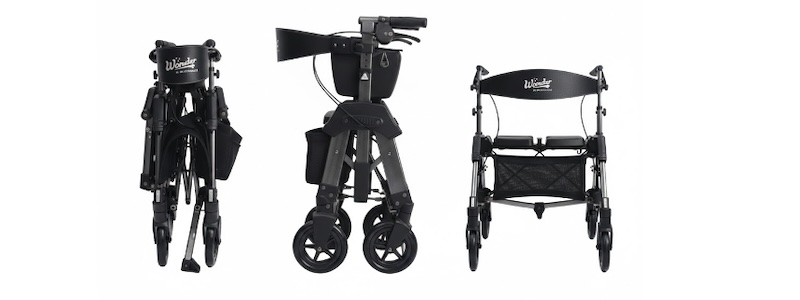
Stander Wonder HD Rollator Review: Bariatric Rollator with a Wide Seat
- Categories:
- All
- Vehicle & Plant Loading Ramps
- Wheel Stops
- Workplace Safety
- Speed Bumps
- Accessibility & Disability
- Wheelchair Threshold Ramps
- Truck & Van Ramps
- Cable Covers & Protectors
- Road Safety
- Yard & Container Ramps
- TRP News
- Pet Ramps
- Car Ramps
- Tips and Product Guides
- Customer Case Studies
- Wheelchair Ramps
- Loading Ramps
- Workplace and Health & Safety