



Understanding Key Accessibility Regulations in the UK
The UK has a wide range of laws designed to promote equality and make spaces, services, and digital platforms accessible to all. In this article, we’ll break down the main accessibility regulations and explain what they mean for organisations and individuals alike and how they assist those living with disabilities.
Equality Act 2010
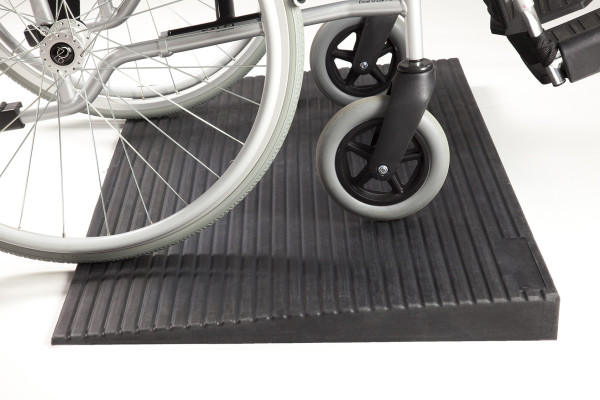
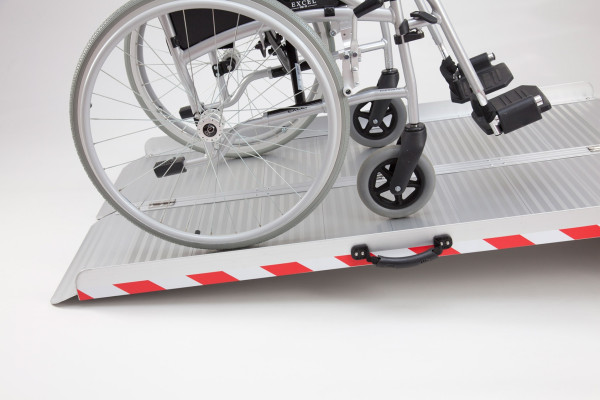
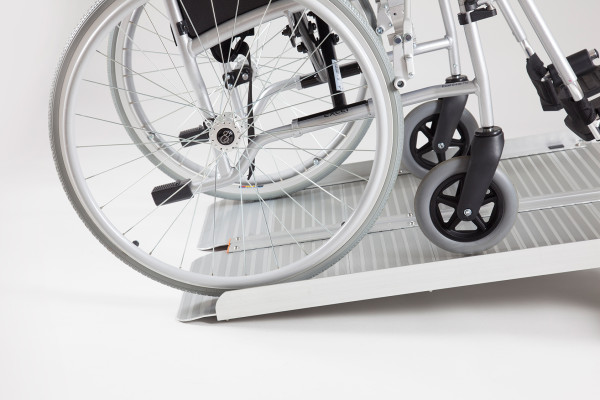
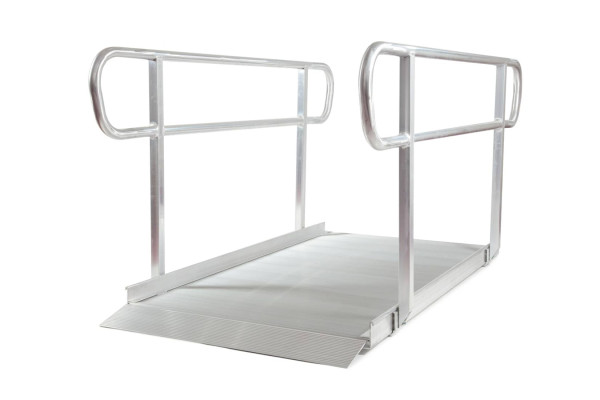
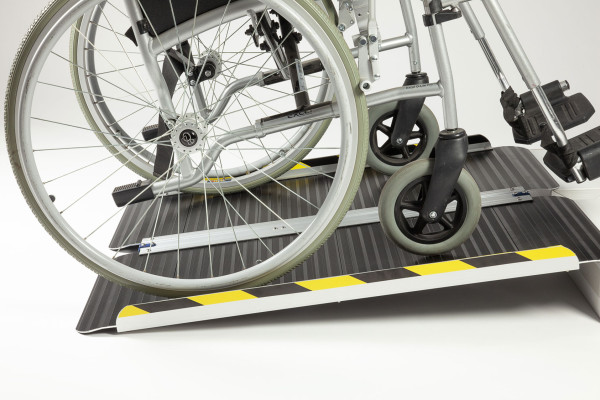
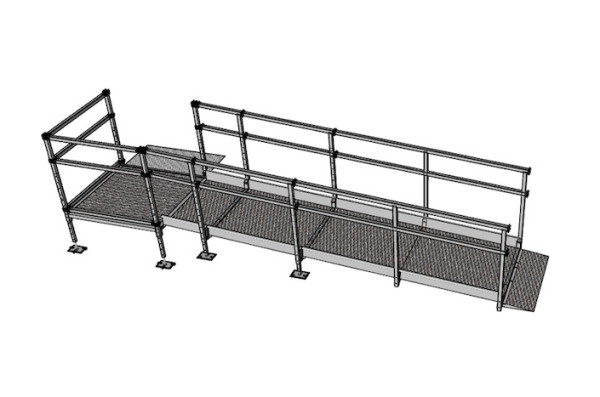
The Equality Act 2010 was introduced to reduce discrimination and harassment related to certain personal characteristics. The Equality Act requires organisations and businesses individuals to make reasonable adjustments for those living with disabilities. Under this legislation, businesses are required to make reasonable adjustments to support individuals living with disabilities. These adjustments may include installing wheelchair ramps to ensure buildings are accessible, adding handrails to improve safety, providing documents in an accessible format or providing specialist equipment to help employees carry out their job effectively.
The Equality Act 2010 replaced the Disability Discrimination Act 1995 (DDA).
Part M & Park K Building Regulations
Part M and Park K Building Regulations of The Building Regulations 2010 focus on making buildings accessible to those with limited mobility, including wheelchair users. The regulations apply to new homes and commercial buildings. It also applies to buildings which are having renovations undertaken, for example, if a building is changed from a home to an office.
Category 3 of Part M regulations focuses on Wheelchair user dwellings and the requirements for having homes to meet the needs of wheelchair users or be easily adaptable for wheelchair users. Part M regulations cover the need for providing step-free access to private entrances and external and internal ramps where needed. The regulation also focuses on the need for providing clear turning circles, accessible doorways (minimum opening of 850mm) and for switches and sockets to be located 450 - 1200mm above floor level.
Part K regulations have a dedicated section (section 2) focusing on ramps, including the steepness, design and width of ramps. The standard also lays out the requirements for handrails to be provided on steps and landings for additional safety and stability.
BS 8300-1:2018 Design of an accessible and inclusive built environment
BS 8300-1:2018 Design of an accessible and inclusive built environment standard provides advice and guidance on creating accessible buildings. It covers access strategy, site planning, accessible parking spaces, ramps, and handrails.
While not a legal requirement, it is referenced within Part M of the Building Regulations.


Web Content Accessibility Guidelines (WCAG) 2.2
Web Content Accessibility Guidelines (WCAG) are internationally recognised recommendations for enhancing online accessibility. The guidelines provide advice on how to make digital services, websites and mobile apps accessible to all.
The guidelines are designed to make the internet accessible for those living with disabilities, including the blind, deaf, those with limited mobility and those with learning difficulties.
The guidance provides recommendations, including adding alternative text (alt text) on websites, and prerecorded audio content has ensuring text and images of text have a contrast ratio of at least 4.5:1.
Public Sector Bodies (Websites and Mobile Applications) (No. 2) Accessibility Regulations 2018
The Public Sector Bodies Accessibility Regulations came into force in 2018 and are designed for UK public sector organisations, for example, councils, the emergency services and the armed forces. The regulations are focused on providing accessibility online. The legislation outlines the requirements for the public sector to provide websites or mobile applications that are accessible. For example, they may be required to provide large print text or audio text where needed. Public sector organisations are required to publish an accessibility statement.


Additional Support for Individuals with Disabilities
In the UK the government has various schemes in place to assist those living with disabilities.
- The Access to Work scheme provides support to those working with a disability.
- Personal Independence Payment (PIP) and Disability Living Allowance (DLA) provide financial support to help cover the additional costs that those living with disabilities often face.
- The Disabled Facilities Grant is available to provide money towards the cost of home adaptations.
- Blue Badges to allow users to park in designated parking bays
- Disabled Personals Railcard for reduced travel on public transport
- VAT relief when purchasing items such as mobility aids
At The Ramp People, we offer a range of wheelchair ramps and mobility aids designed to help make homes and businesses more accessible, for advice contact our team.

Mobile Yard Ramps for Shipping Containers: Loading Ramps for Forklifts & Machinery

Choosing the Right Pallet Truck: A Guide to Manual Pallet Trucks

Rollator Walker with Seat: Why It’s the Ideal Mobility Aid for Everyday Independence
- Categories:
- All
- Vehicle & Plant Loading Ramps
- Wheel Stops
- Workplace Safety
- Speed Bumps
- Accessibility & Disability
- Wheelchair Threshold Ramps
- Truck & Van Ramps
- Cable Covers & Protectors
- Road Safety
- Yard & Container Ramps
- TRP News
- Pet Ramps
- Car Ramps
- Tips and Product Guides
- Customer Case Studies
- Wheelchair Ramps
- Loading Ramps
- Workplace and Health & Safety