



DDA Compliance? The UK Law
From 2005 onwards disabled access into buildings was covered by the ‘Disability Discrimination Act 2005’ otherwise known as DDA, however, this was superseded 5 years later by the Equalities Act 2010. The phrase ‘DDA Compliance’ is leftover from 2005 but technically it is no longer relevant and can actually be extremely misleading and confusing. It is not surprising then to discover that various professionals often have very conflicting views on this subject. You can find out more about the updated law and The Equality Act 2010 here. 
Whether discussing DDA compliance or The Equality Act 2010, the simplest way to understand the law as it currently stands is that there should be ‘reasonable access’ into buildings. But what is ‘reasonable access?’ Reasonable access is, of course, a wholly subjective term, furthermore a law's impact is directly proportional to the degree in which it is enforced. The current law states that where a physical feature, such as those resulting from the design or construction of a building or the approach or access to premises, makes it impossible or unreasonably difficult for a disabled person to access the service, then it is the duty of the service provider to make reasonable changes so that they can so. This may include:
- Removing the feature
- Altering the feature so it no long obstructs access
- Providing a reasonable means of avoiding the feature
- Providing a reasonable alternative method of using the service
Are you DDA compliant?
Companies that are refurbishing public buildings are generally expected to ensure high-quality disabled access – however small business like shops or restaurants have lower criteria as the cost ratio to the size of the business is lower. Permanent or semi-permanent disabled access systems also need to comply with Building Regulations Document Part M, BS8300 and the National Planning Framework. However portable wheelchair ramp systems or temporary ramps systems do not need to meet these specifications. We find many people searching for DDA compliant ramps, when it is really wheelchair ramps that help ensure you are DDA compliant or, more accurately, compliant with the current Equalities Act 2010.  The Ramp People can advise and specify wheelchair ramp systems for both public and private access. Disabled Facilities Grants are available – more information can be found here: https://www.gov.uk/disabled-facilities-grants/overview For more information, a quote or to just have a chat on how we can help supply a wheelchair ramp system that meets your needs and budget please get in contact.
DDA Compliance? The UK Law
From 2005 onwards disabled access into buildings was covered by the ‘Disability Discrimination Act 2005’ otherwise known as DDA, however, this was superseded 5 years later by the Equalities Act 2010.
The phrase ‘DDA Compliance’ is leftover from 2005 but technically it is no longer relevant and can actually be extremely misleading and confusing. Various professionals often have very conflicting views on this subject and still refer to DDA requirements when seeking mobility aids such as ramps, or seeking to make a building wheelchair accessible.
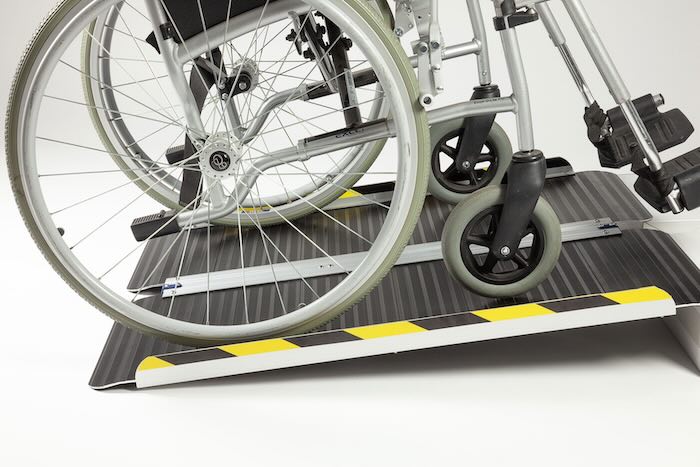
Introduction to our Guide
Whether discussing DDA compliance or The Equality Act 2010, the simplest way to understand the law as it currently stands is that there should be ‘reasonable access’ into buildings. But what is ‘reasonable access?’ Reasonable access is, of course, a wholly subjective term, furthermore a law's impact is directly proportional to the degree in which it is enforced. The current law states that where a physical feature, such as those resulting from the design or construction of a building or the approach or access to premises, makes it impossible or unreasonably difficult for a disabled person to access the service, then it is the duty of the service provider to make reasonable changes so that they can so.
Reasonable adjustments may include alternative the feature so it no longer obstructs access, providing a reasonable means of avoiding the feature such as ramped access or providing a reasonable alternative method of using the service.
Regulations & Helpful Links
The Equality Act 2010 replaced the DDA Act. The act is designed to protect individuals from discrimination in the workplace and within society in general. It requires property owners, businesses and organisations to treat everyone equally and ensures areas are accessible for all.
The Disability Discrimination Act 1995 has been replaced, but it remains a useful reference. It still provides relevant details on the definition of discrimination, how to protect those with disabilities and employers’ duty to make reasonable adjustments.
What reasonable adjustments can I make?
Wheelchair Ramps
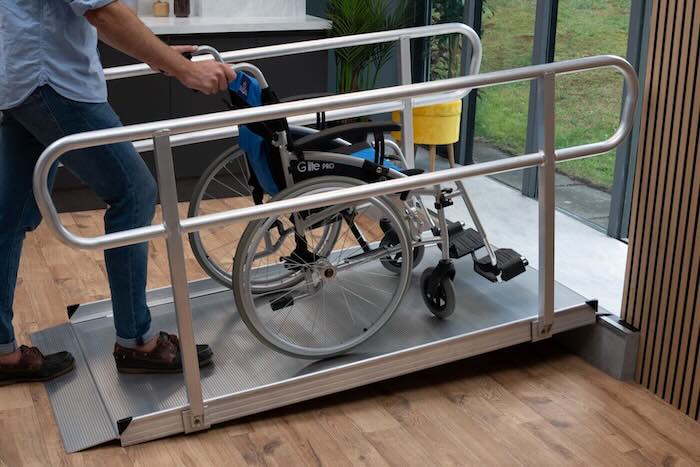
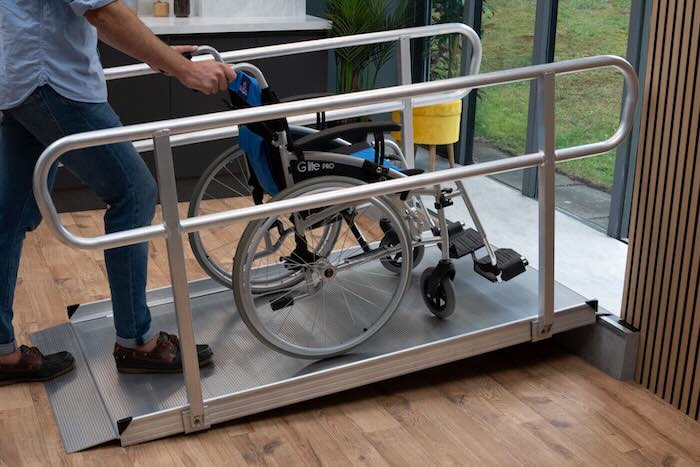
Wheelchair Ramps can help users to access buildings and overcome barriers such as steps.
Evacuation Chairs
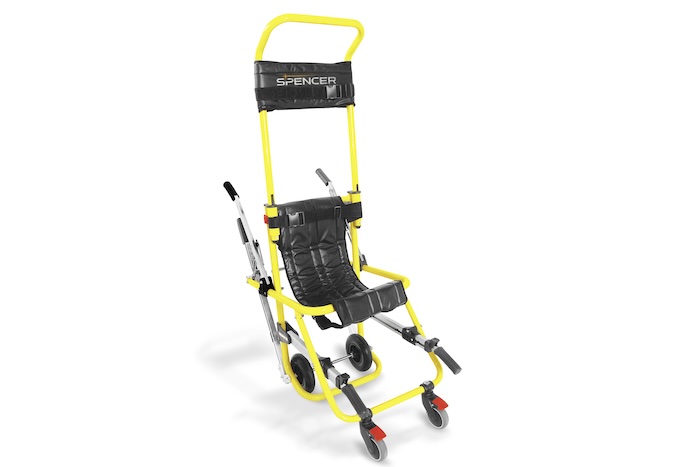
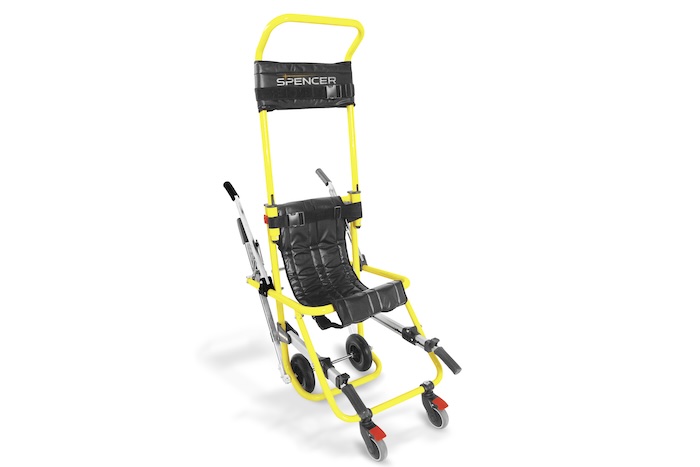
Ensure those with limited mobility can safely evacuate the building in an event of an emergency.
DDA Cable Protectors
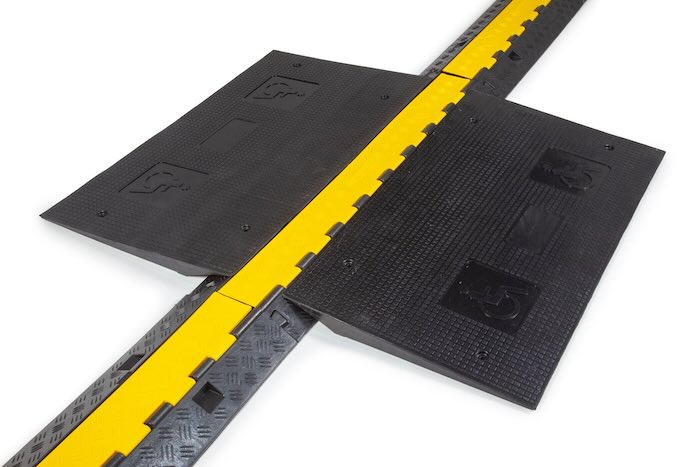
Low profile cable protectors are designed to allow mobility aids to safely pass over cables in the workplace or at events.
Anti-slip Stair Treads
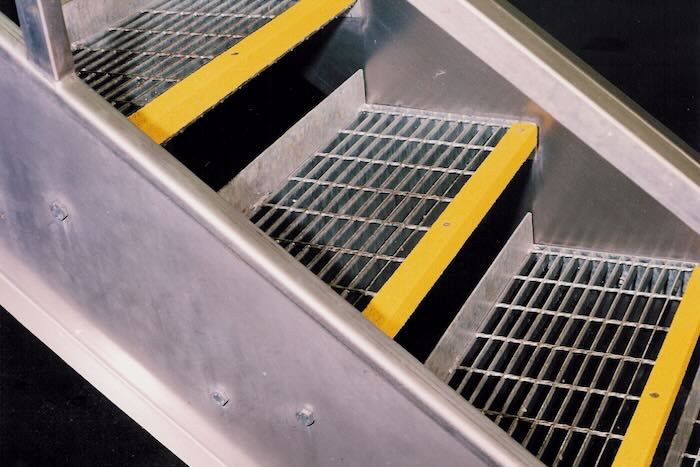
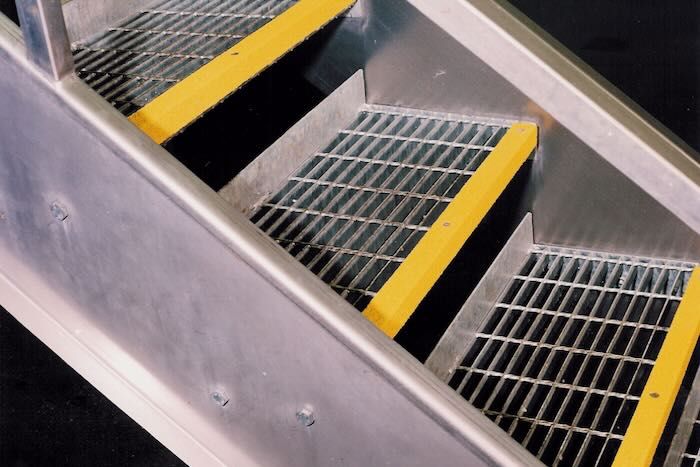
BS 8300 recommends contrasting low profile nosing on staircases to assist those with disabilities.
Are you DDA compliant?
Companies that are refurbishing public buildings are generally expected to ensure high-quality disabled access – however small business like shops or restaurants have lower criteria as the cost ratio to the size of the business is lower. Permanent or semi-permanent disabled access systems also need to comply with Building Regulations Document Part M, BS8300 and the National Planning Framework. However portable wheelchair ramp systems or temporary ramps systems do not need to meet these specifications. We find many people searching for DDA compliant ramps, when it is really wheelchair ramps that help ensure you are DDA compliant or, more accurately, compliant with the current Equalities Act 2010. More details can be found within our Equality Act and Disability Access Blog.
What are reasonsable adjustments?
Reasonable adjustments do depend on the situation. The employer, company or business owner should always consider what adjustments can be made to remove a disadvantage. It is of course always important the adjustment is practical and affordable. The adjustment should also not harm others. For instance, of a building with limited space out the front it may not be possible to provide ramped access at the front of the building but you may be able to introduce a ramp at the back of the building. In other instances a lift may be a suitable solution for some but other companies may not be able to afford a lift, or may lease the building and not have permission to install a lift.
Who is responsible for paying for reasonsable adjustments?
In most instances the employer is responsible for paying for reasonable adjustments. Many adjustments are often simple and affordable, for example providing an alternative keyboard for a computer, added handrails to the building, providing further training or providing an access ramp. The government may also assist with some costs via the Access to Work government scheme which is designed to help those with disabilities to get or stay in work.
What other regulations should I consider?
For buildings, it is important to also consider Part M and Part K building regulations which reference making buildings accessible for all. We also suggest reviewing BS 8300-2:2018 focuses on designing buildings that are accessible and inclusive. The Highways Act 1980 also references the importance of ensuring streets are always accessible for those with disabilities, including when work is being undertaken.
Still Require Assistance? Request a callback
Our team is available throughout the week to help via phone, email, live chat or WhatsApp. If you’d rather we call you, you can easily request a callback here.
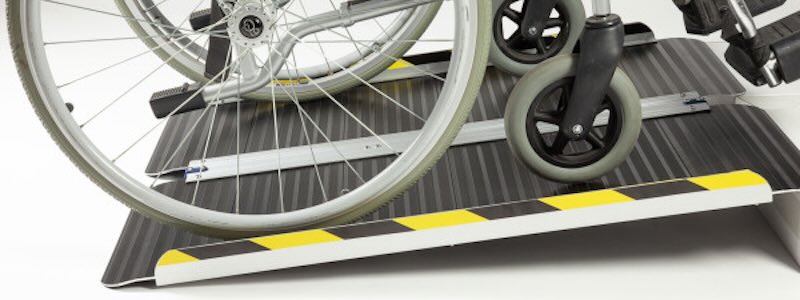
Portable vs Permanent Wheelchair Ramps: Pros and Cons
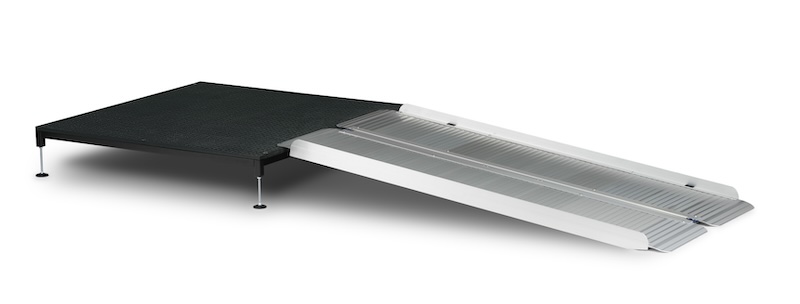
Wheelchair Turning Platforms: Access Solutions for Tight Spaces

How to Choose the Right Wheelchair Ramp for Your Needs
- Categories:
- All
- Vehicle & Plant Loading Ramps
- Wheel Stops
- Workplace Safety
- Speed Bumps
- Accessibility & Disability
- Wheelchair Threshold Ramps
- Truck & Van Ramps
- Cable Covers & Protectors
- Road Safety
- Yard & Container Ramps
- TRP News
- Pet Ramps
- Car Ramps
- Tips and Product Guides
- Customer Case Studies
- Wheelchair Ramps
- Loading Ramps
- Workplace and Health & Safety