



How Ramps Enhance Safety and Efficiency in Manual Handling Tasks
Manual handling is an important part of daily life for many in the workforce however it is widely recognise to come with risks which can lead to temporary or permanent injury to the employee and, in turn can lead to the risk of liability claims to the business.
It is important for companies to take the risks around manual handling seriously and provide staff with the knowledge and tools to be able to load equipment safely.
LOLER Guidelines and Ramps
The key training undertaken around manual handling guidelines is Lifting Operations and Lifting Equipment Regulations (LOLER) training. The LOLER guidelines are available are available to view on the HSE website. As well as training employees on how to lift items correctly, it is of course also important to minimise the amount of lifting required, especially for heavier items. This can be done in a range of ways says as making loads smaller where possible, reducing the distance the person has to travel and using lifts and ramps where there is a height to overcome.
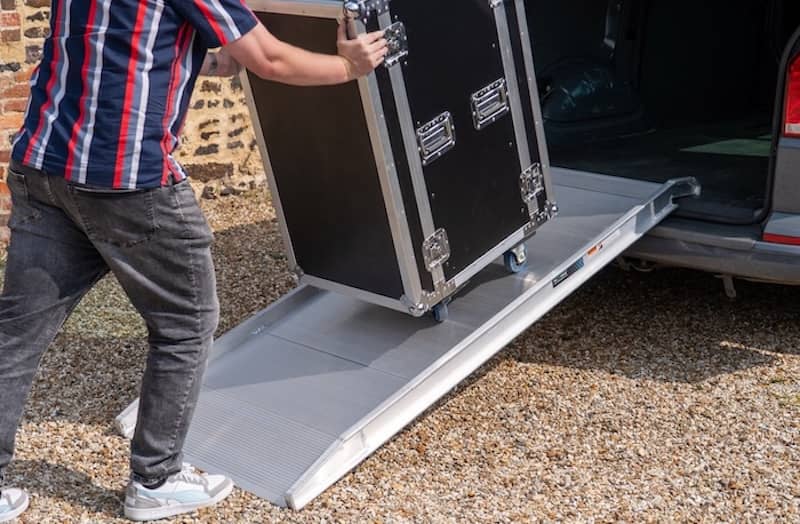
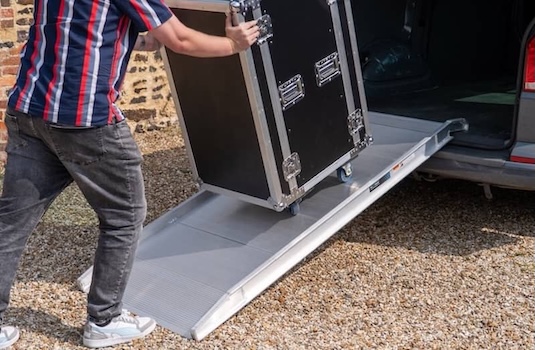
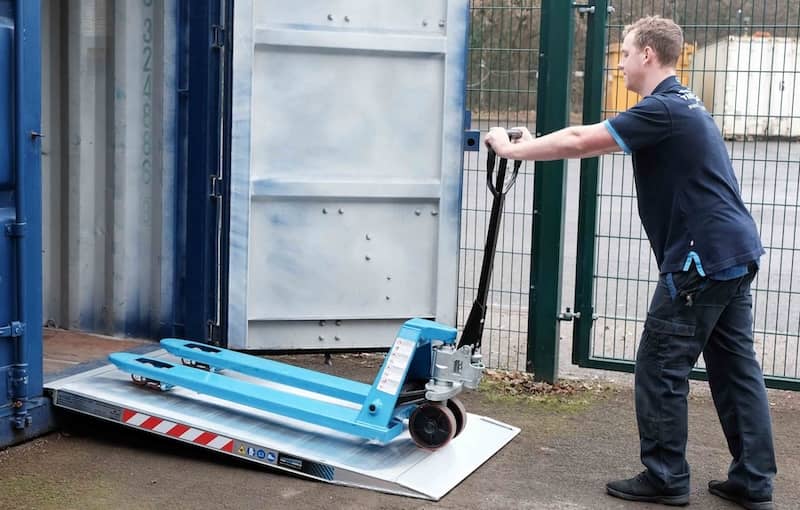
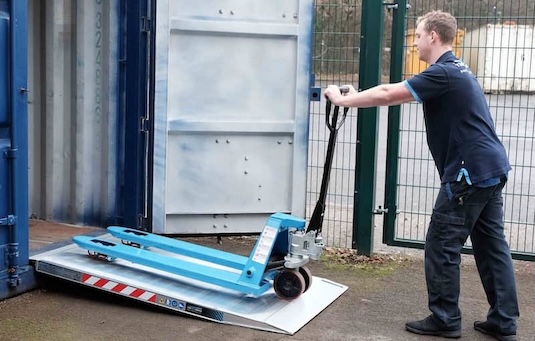
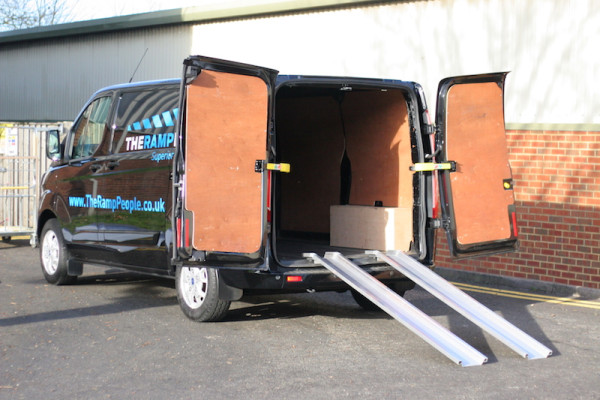
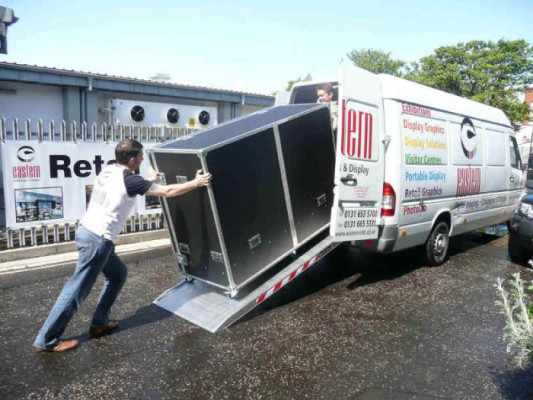
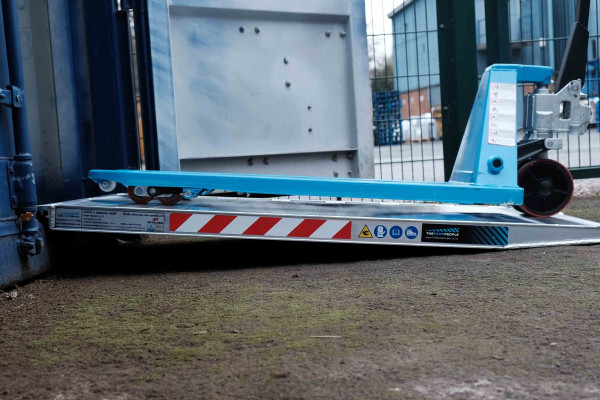
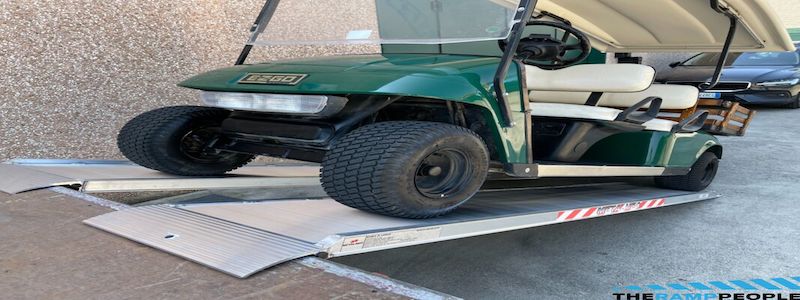
Ramps can assist with manual handling as it can make it easier for employees to load items on and off of vehicles and into loading bays. When a ramp is in place items can be loaded onto a trolley, cage or pallet truck and pushed into a vehicle. Ramps can also be used to safely load machinery including diggers and other plant machinery. Ramps such as loading bridges and tailboards, can also be used to bridge the gap from the vehicle to the loading bay to allow employees to safely cross the area and utilise trolleys and pallet trucks to load and unload goods.
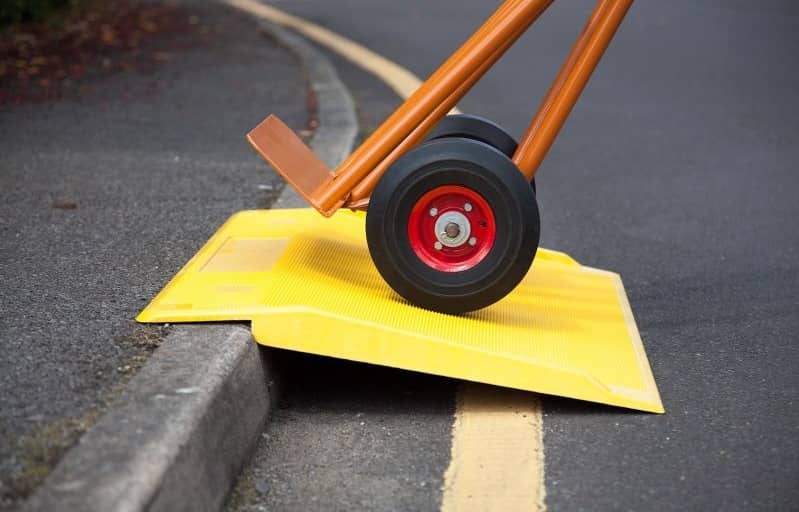
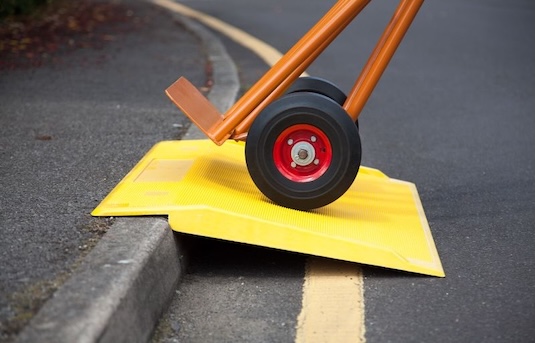
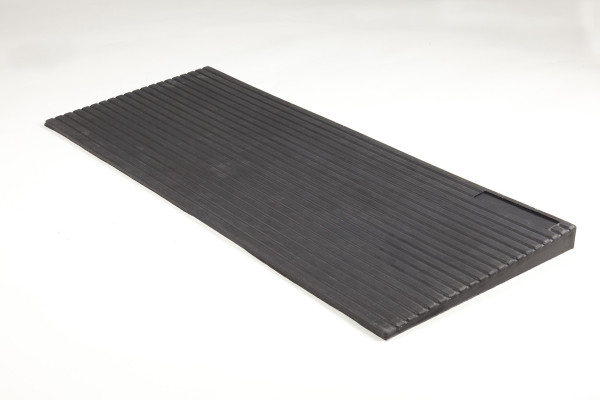
It is of course important to consider all heights in warehouses, industrial sites and workplaces no matter how small. For loading pallet trucks and cages even low thresholds and steps can make loading difficult and, in turn result in accidents. Lower heights are also a common trip hazard and therefore it is important action is taken to manage the risk of trips and falls. For lower heights we offer a range of rubber and aluminium wedge ramps which simply rest in place.


What To Consider To Ensure You Team Can Load Goods Safely
It is of course important to ensure you purchase a ramp with a smooth gradient to allow your team to load safely. The EU guidelines recommend a maximum gradient of 30% for safe loading. Please note, if you are loading items with low clearance such as pallet trucks a smoother slope is often required. It is recommended you consider completing a push/pull risk assessment when loading or unloading using a ramp.
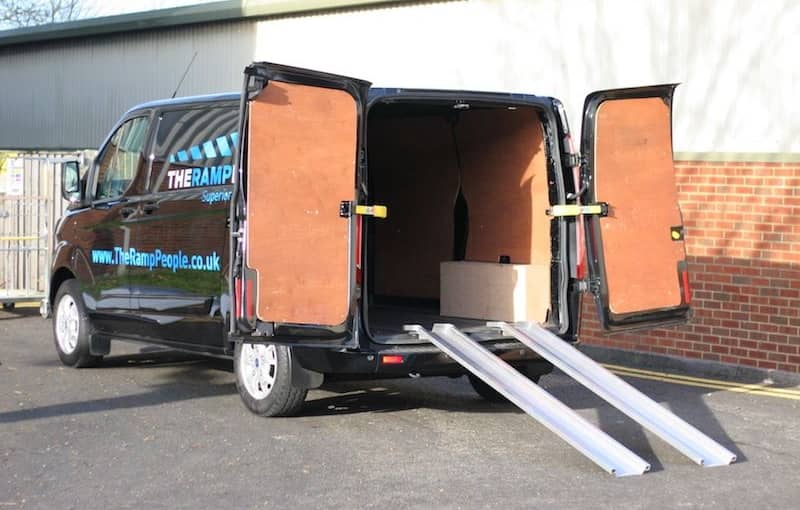
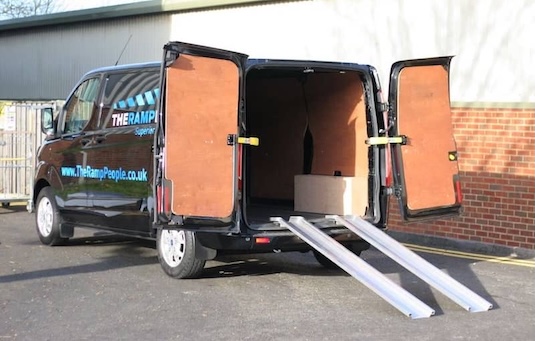
We also recommend checking the weight of the ramp you wish to purchase. The Manual Handling Regulations do not state specific weight limits so it is important you undertaken your own health and safety assessments. In general, many of our ramps can be manoeuvred into position by one person; however various ramps are recommended to be moved by two people due to the weight and size. As standard, our range of folding ramps are offered with built on handles. For non-folding loading ramps many do have the option to add handles on request. Depending on what you are loading, you may be able to purchase a pair of ramps which is often much lighter than one wide ramp. If your team are regularly loading and unloading from the van, a fixed van ramp maybe a viable investment as the gas strut makes the ramp easier to manouver into position.
It is also important to consider where the ramp will be used and what you will be loading. In instances where it is likely the ramp will get wet, dirty or muddy you may wish to seek a ramp with a slip resistance surface, for example our premium van ramps offer an R13 slip resistance for optimum grip.
PUWER Guidelines for Ramps
Where ramps are used at work, it is important these are regularly inspected under the Provision and Use of Work Equipment Regulations 1998 (PUWER). We recommend you regularly check ramps for signs of wear and tear. If the ramp appears damaged, you should discontinue using the ramp until you have spoken to the manufacturer regarding this. It is of course important that your employees are aware of the maximum capacity the ramp can hold and the maximum height it can be used at. It is also important the ramp does not deteriorate. For instance some ramps are not designed to be left outside in harsh weather conditions; doing so may result in deterioration of the ramp. In addition, employees should be aware of when, or when not a ramp should be used. For example, our portable wheelchair ramps should only be used as a mobility aid, they should not be used for loading trolleys and flightcases, as this can damage the ramp.
For advice on choosing the right ramp for your business, please contact our team on 01372 569 051 or email [email protected]. We will need to know the vertical height you are going up, for example, the height from the ground to where the ramp will rest, the weight you are loading and what you are loading.

R13 Slip Resistance Loading Ramps
New Product Alert - Van Loading Ramps at 500mm Wide

Van Ramps
- Categories:
- All
- Vehicle & Plant Loading Ramps
- Wheel Stops
- Workplace Safety
- Speed Bumps
- Accessibility & Disability
- Wheelchair Threshold Ramps
- Truck & Van Ramps
- Cable Covers & Protectors
- Road Safety
- Yard & Container Ramps
- TRP News
- Pet Ramps
- Car Ramps
- Tips and Product Guides
- Customer Case Studies
- Wheelchair Ramps
- Loading Ramps
- Workplace and Health & Safety