



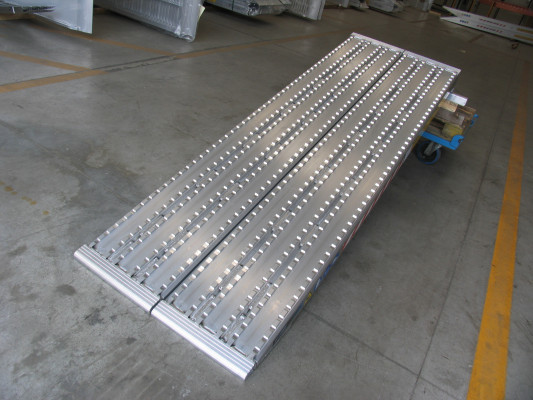
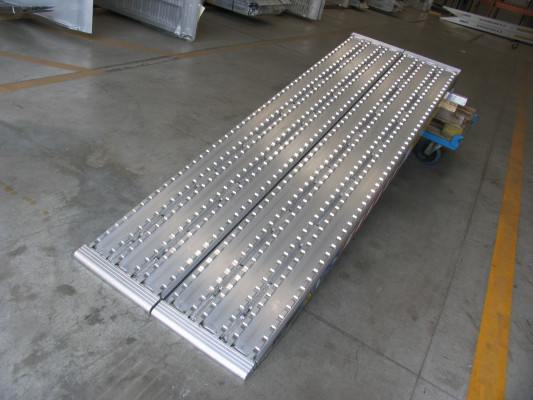
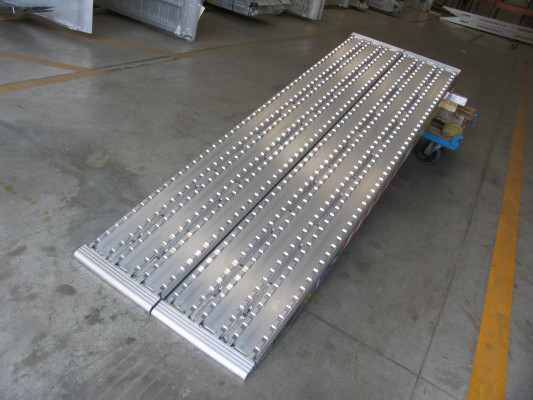
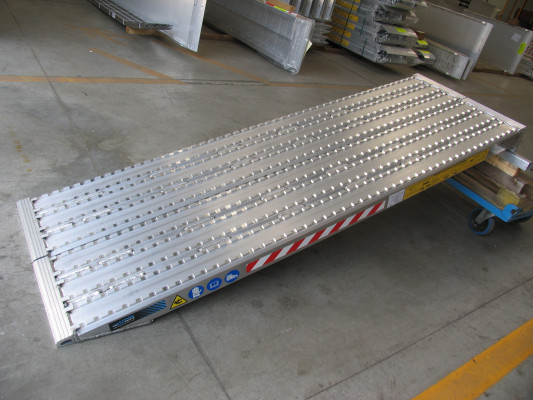
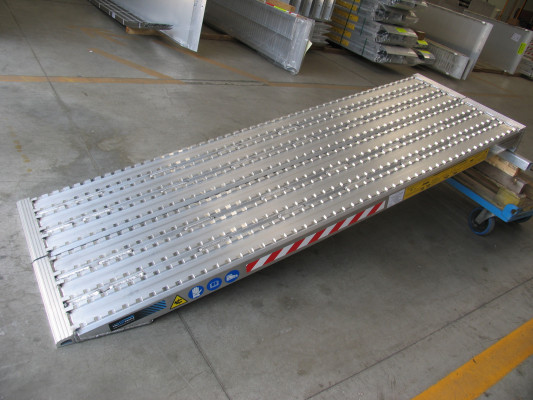
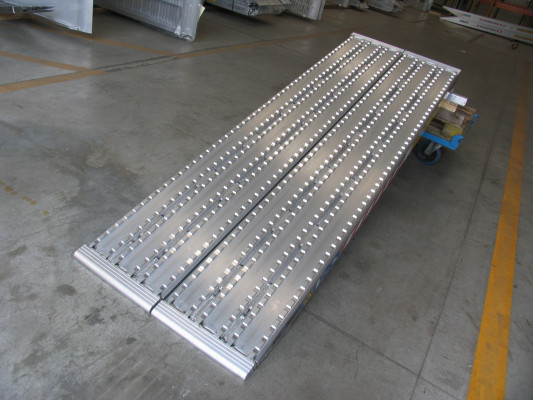
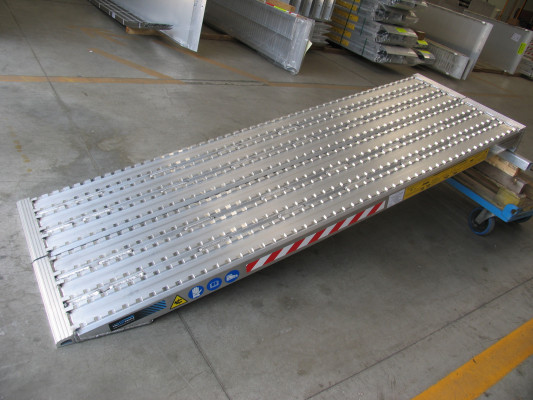
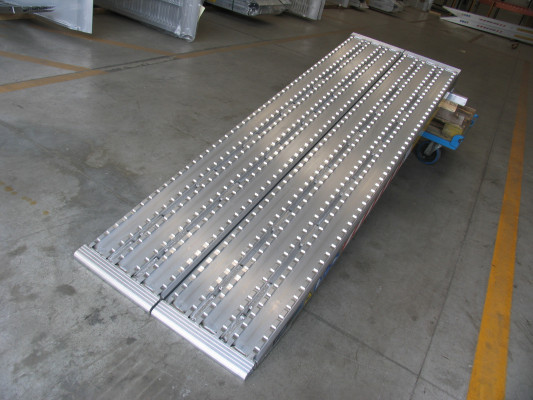
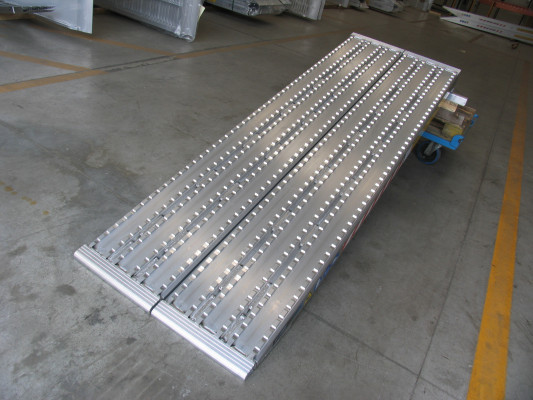
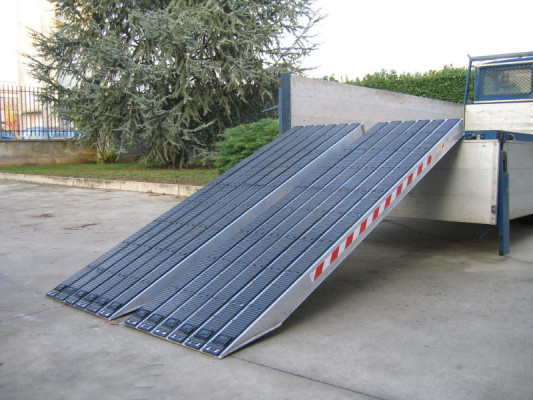
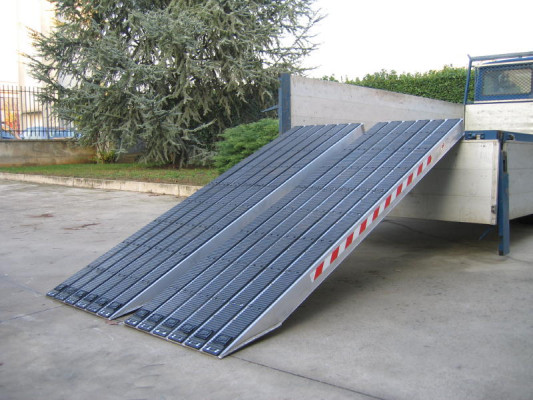
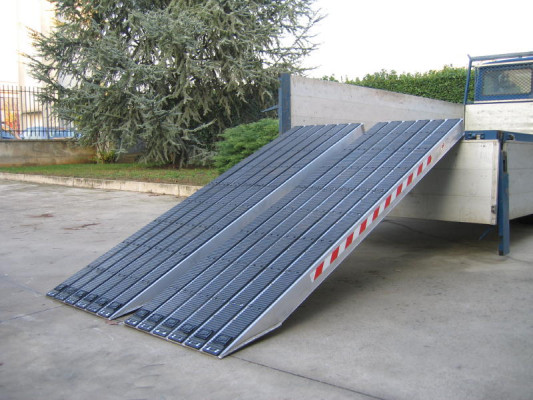
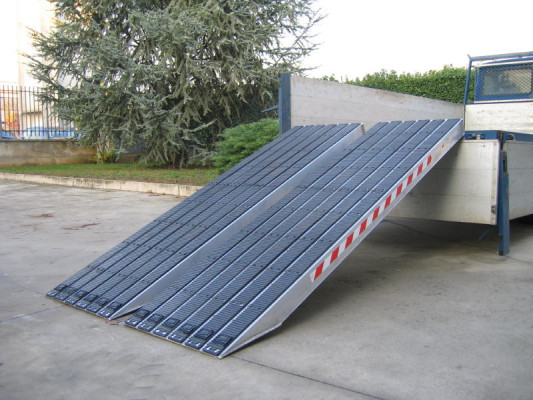
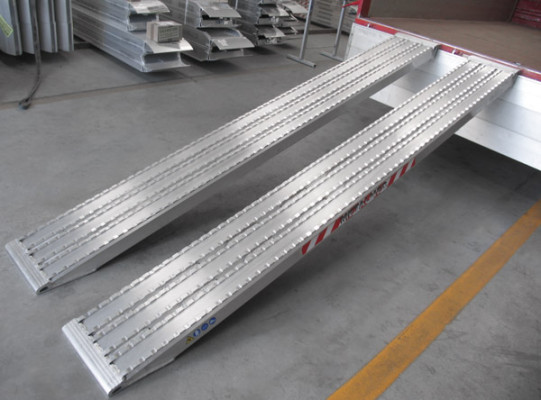
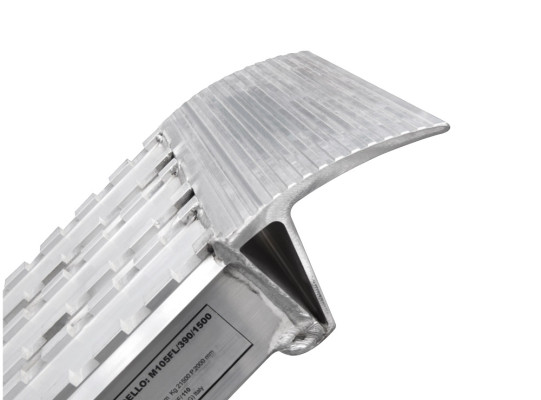
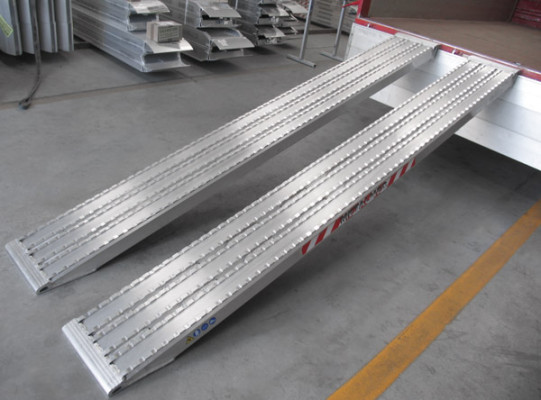
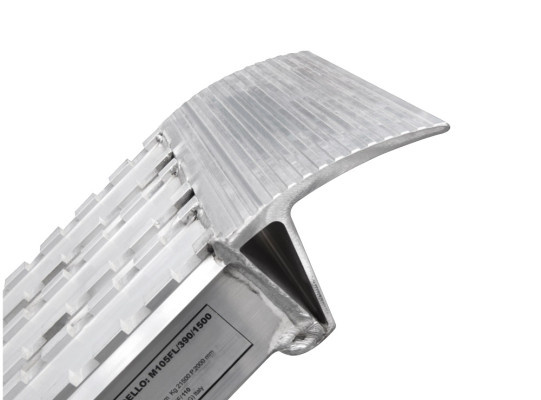
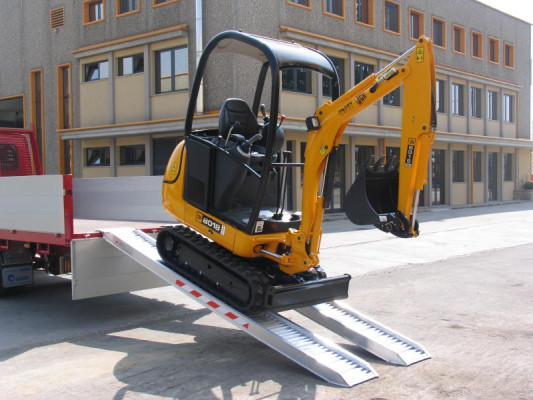
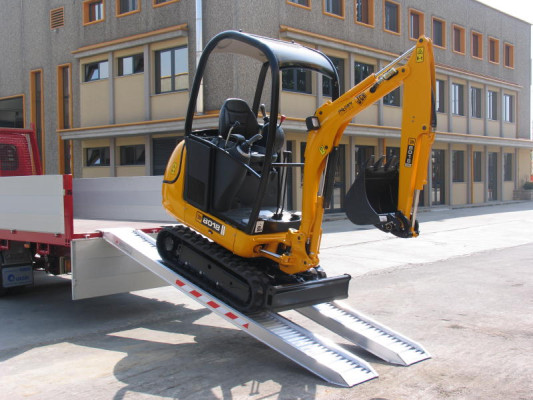
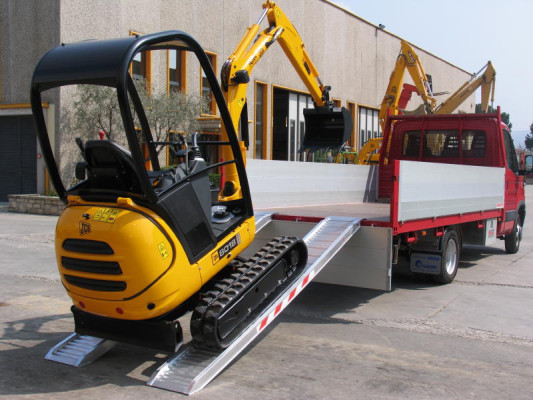
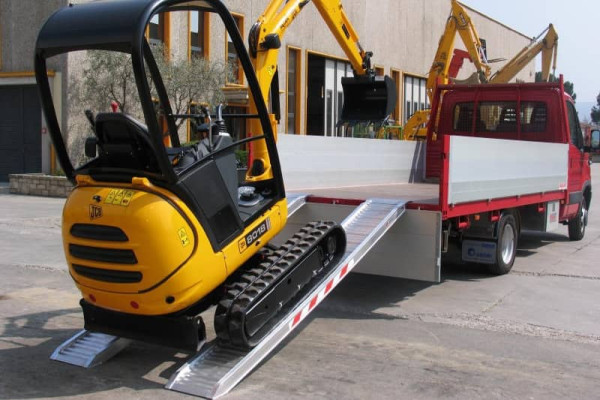
Aluminium Loading Ramps / Van Ramps Foot End
Aluminium Loading Ramps / Van Ramps Foot End
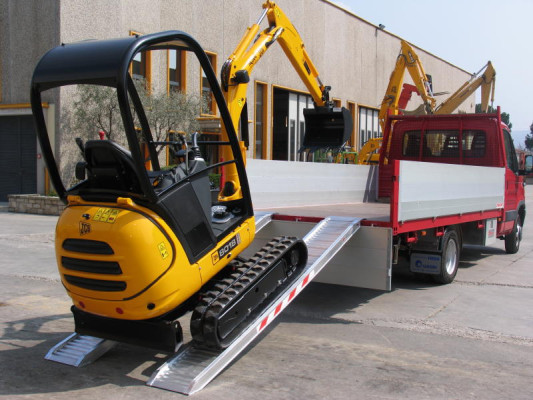
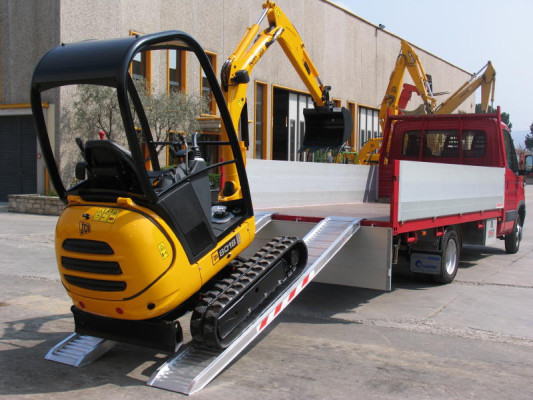
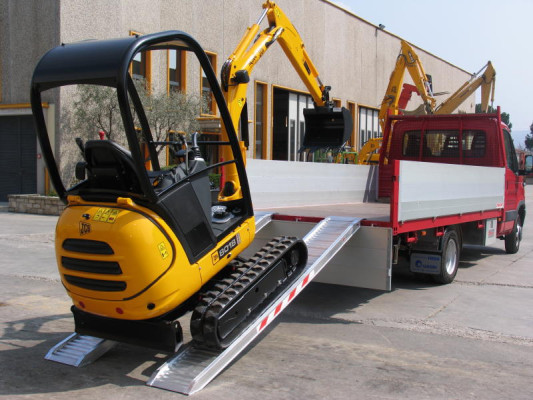
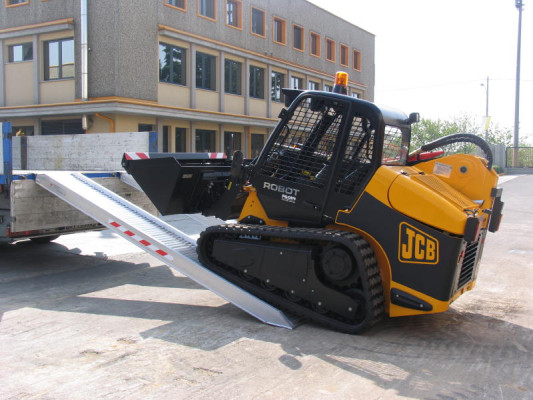
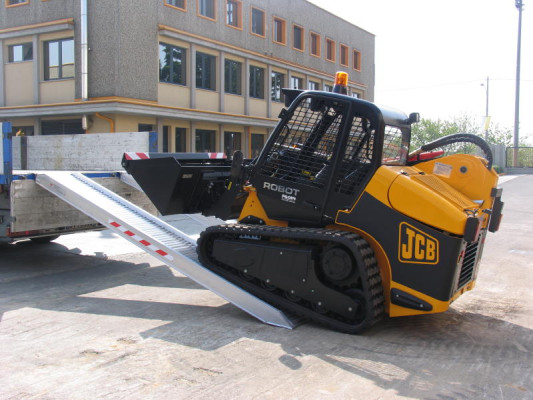
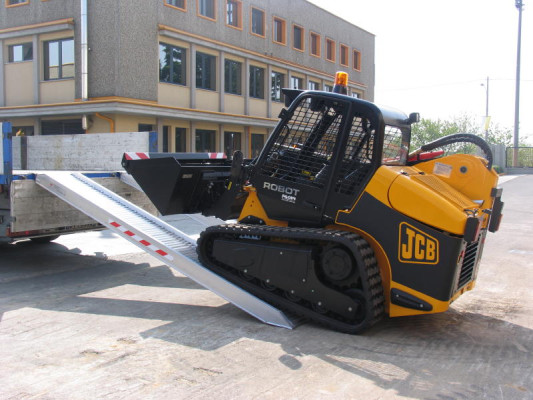
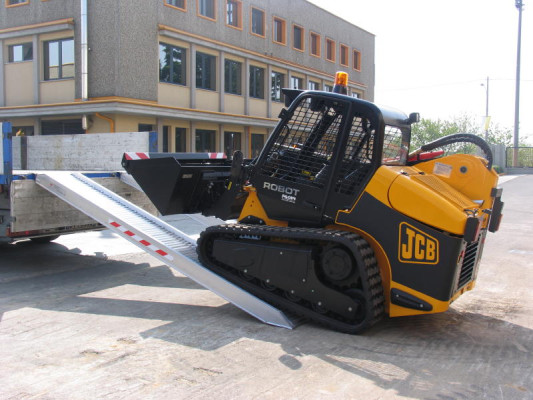
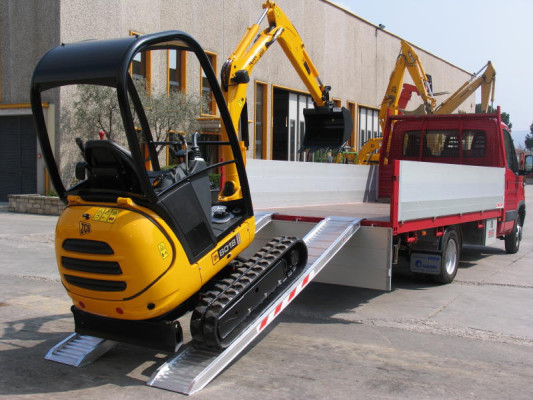
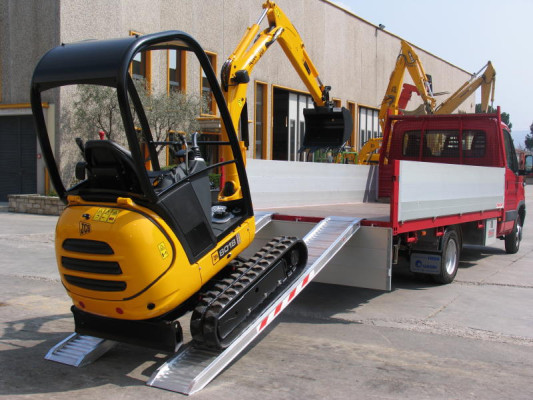
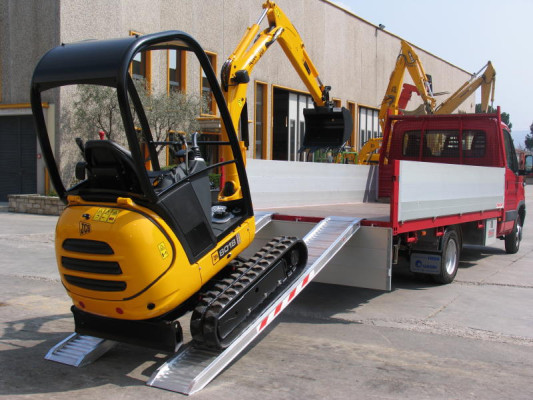
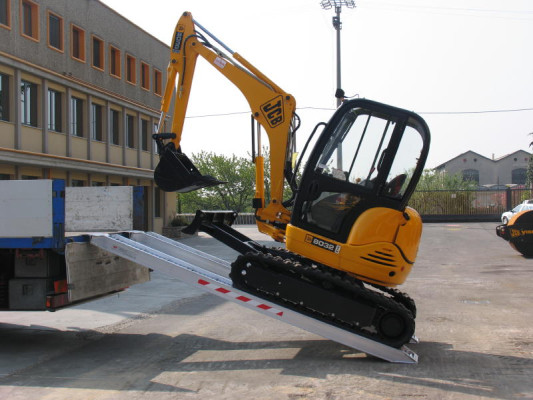
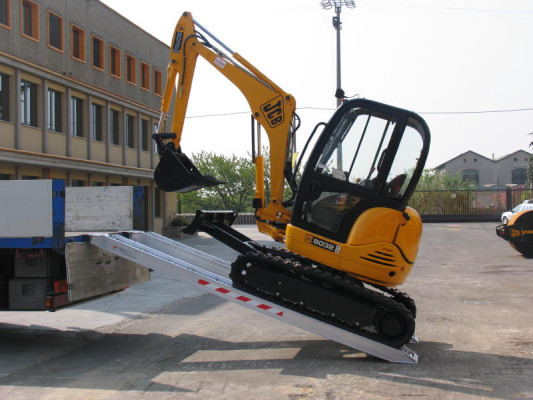
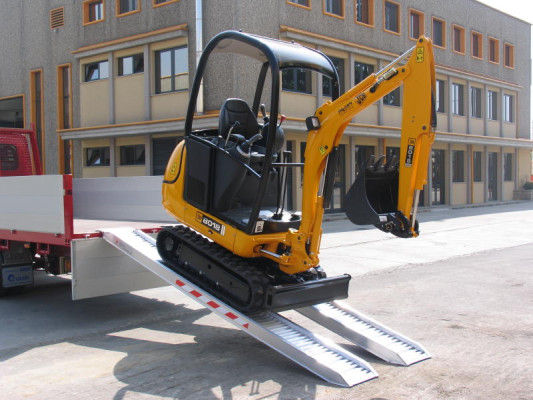
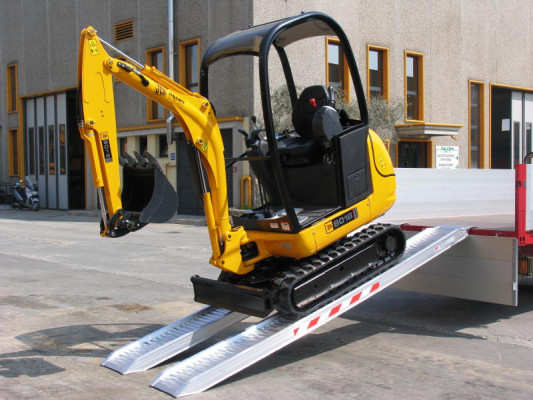
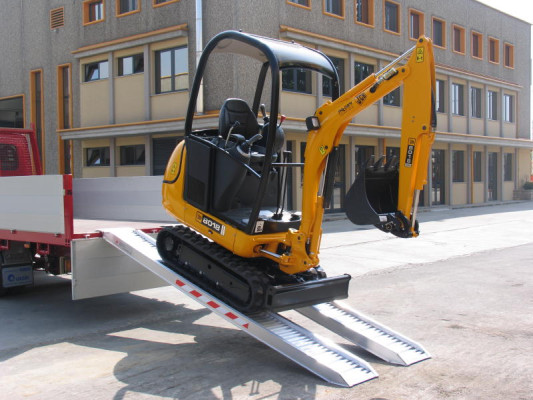
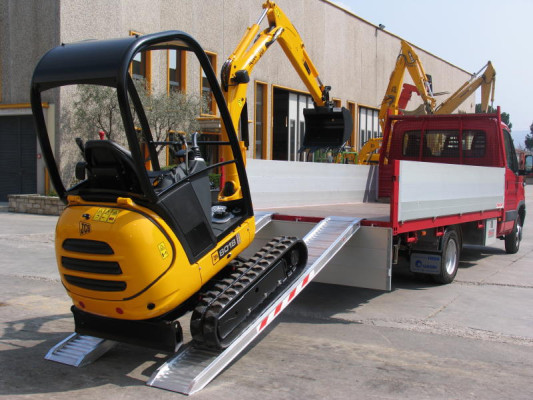
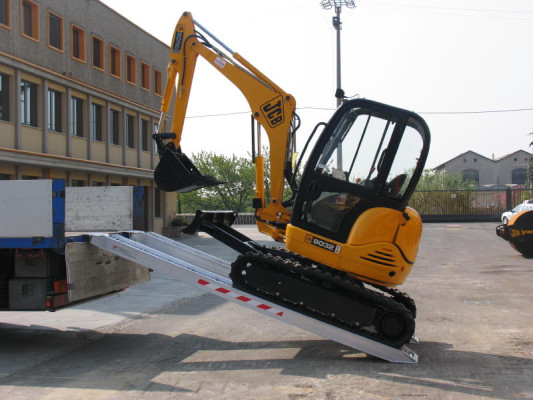
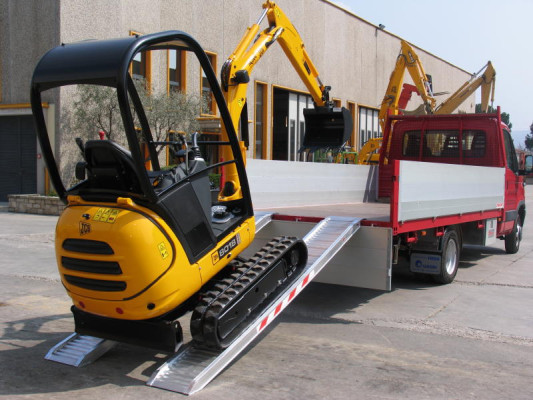
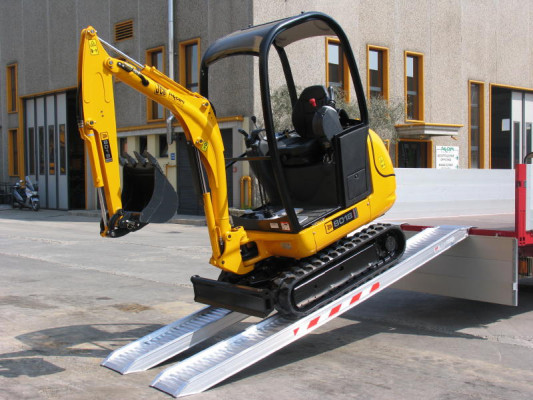
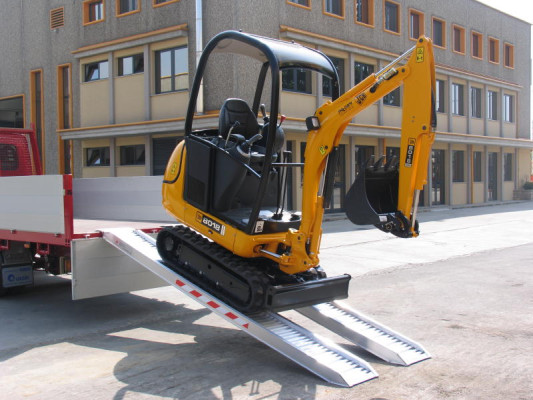
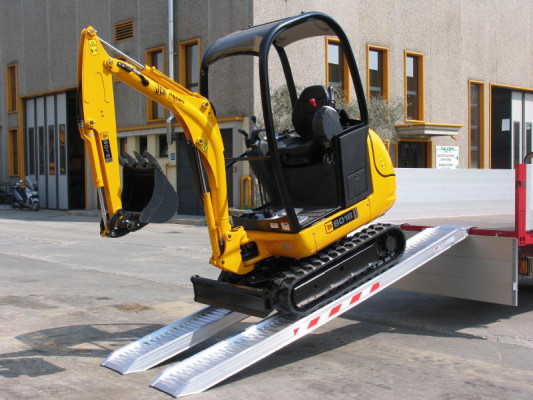
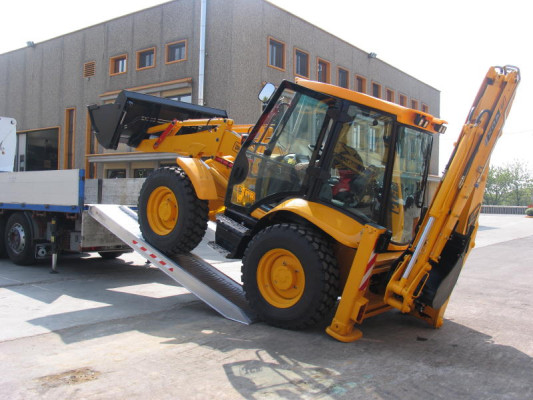
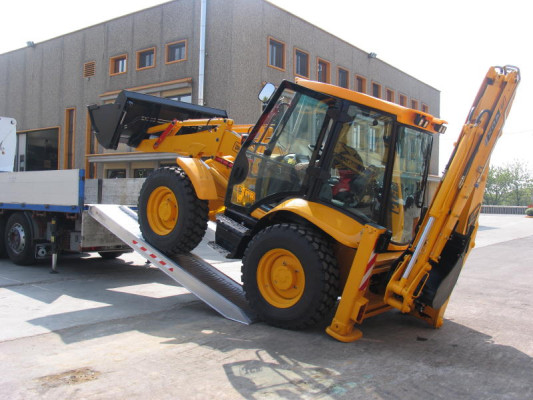
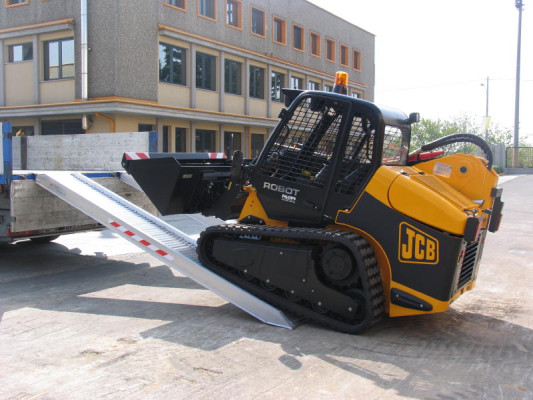
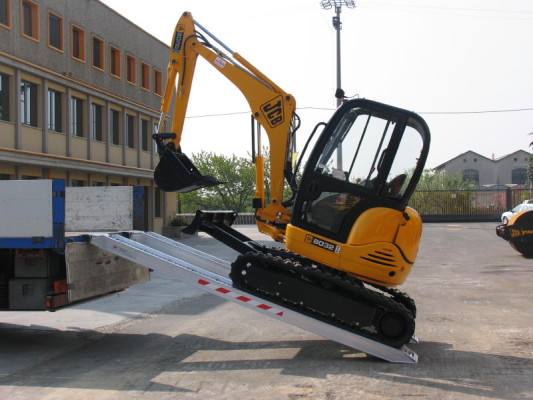
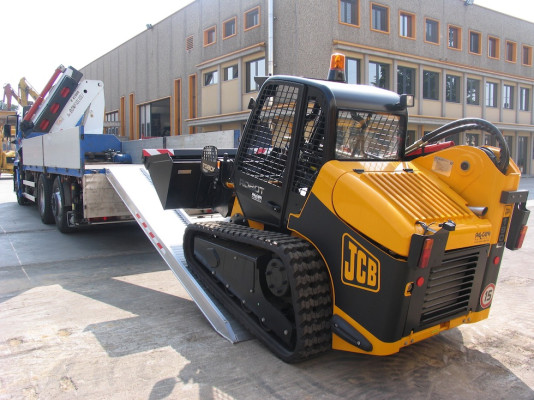
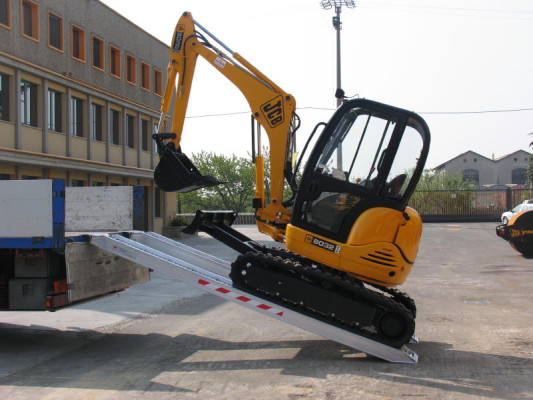
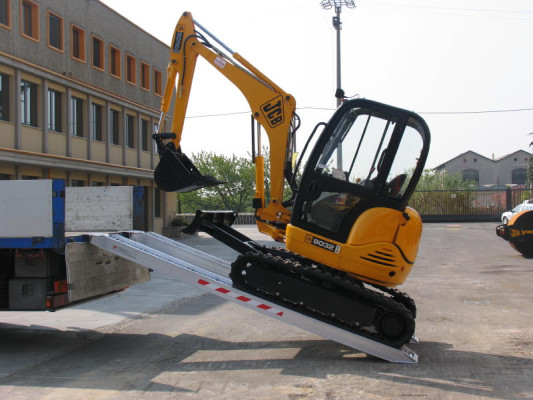
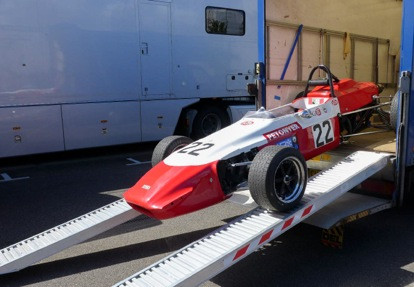
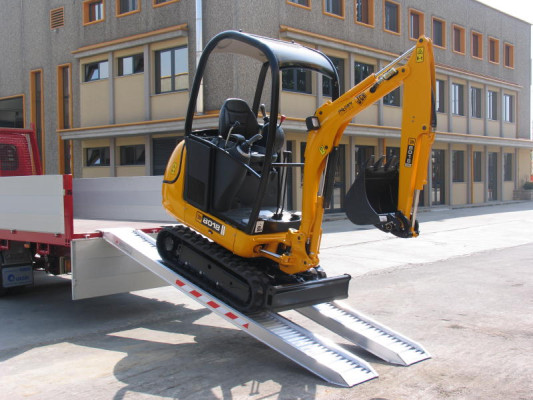
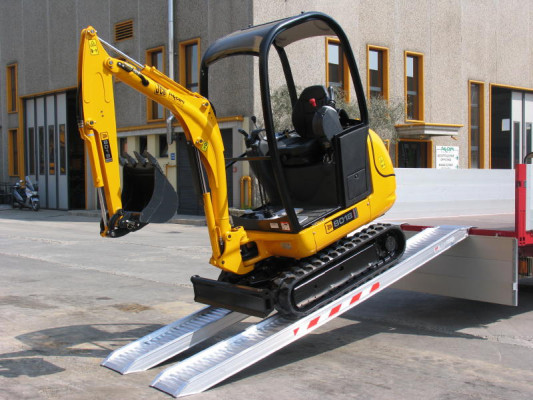
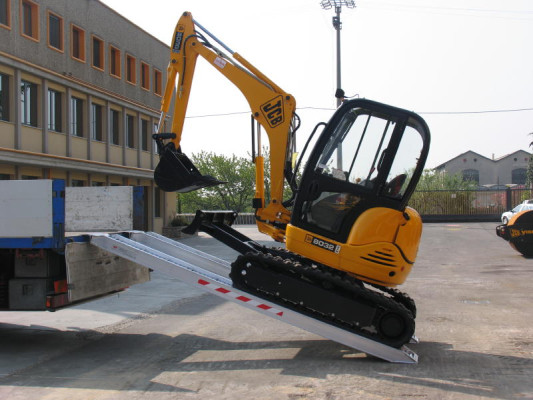
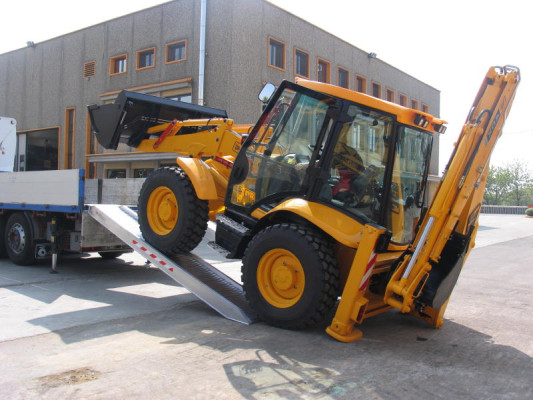
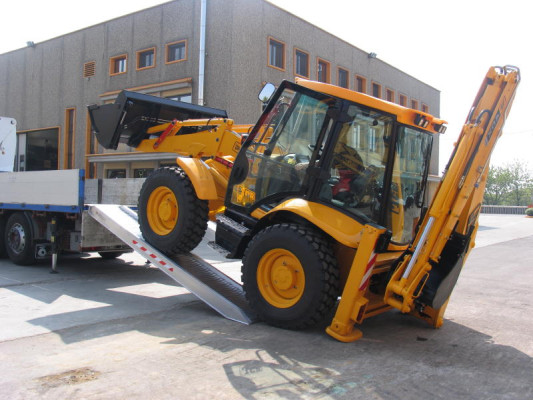
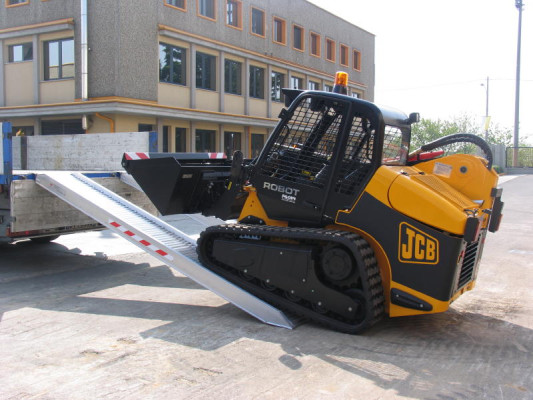
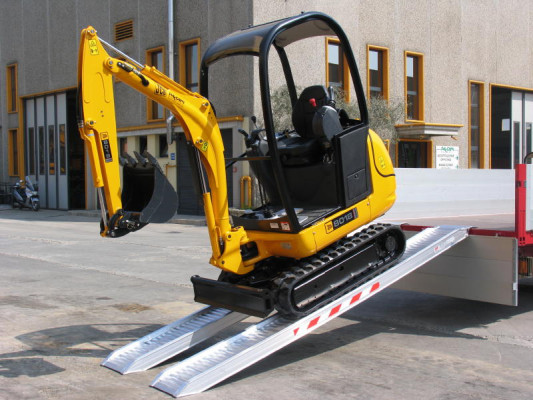
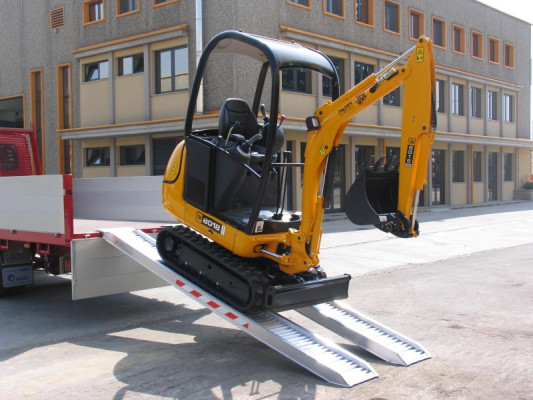
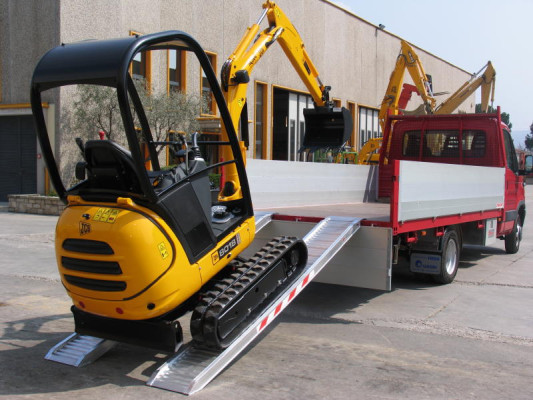
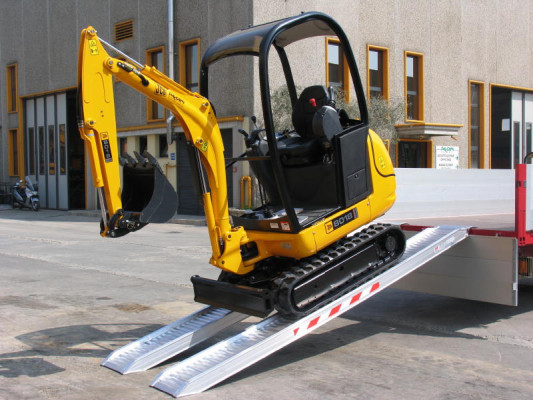
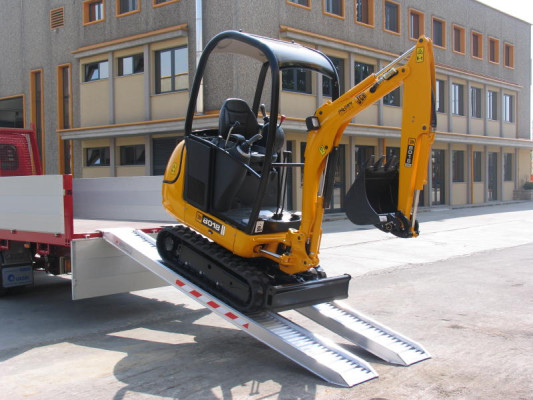
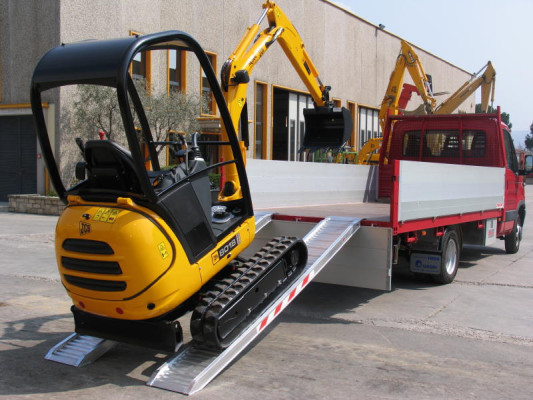
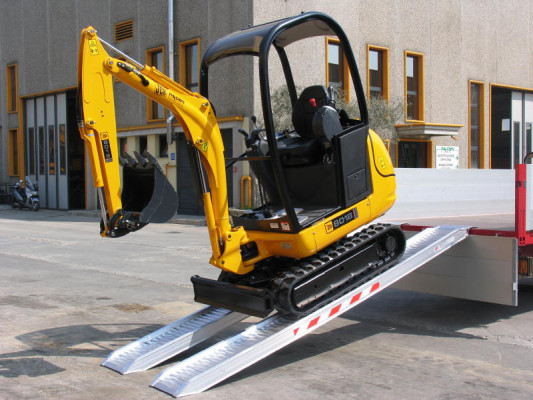
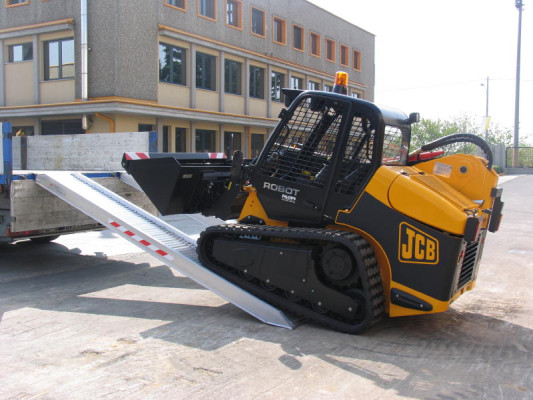
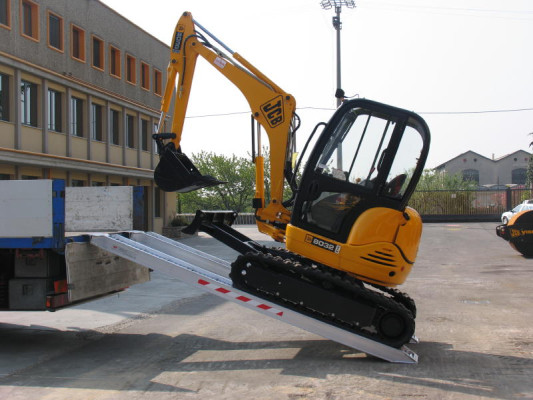
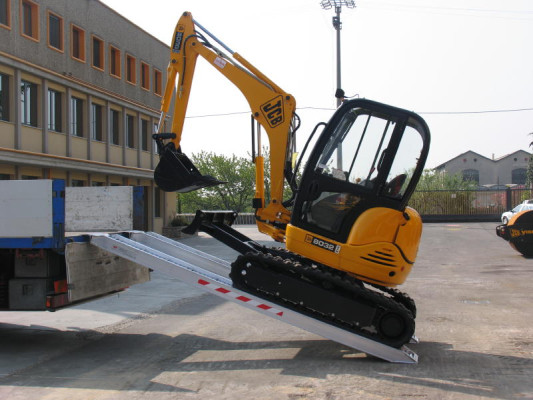
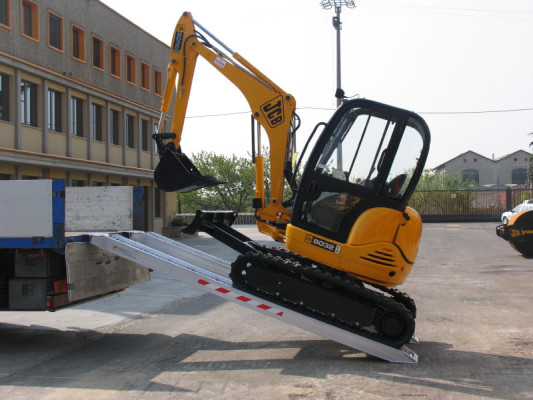
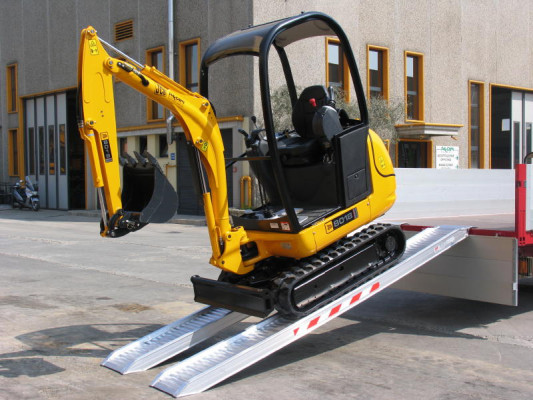
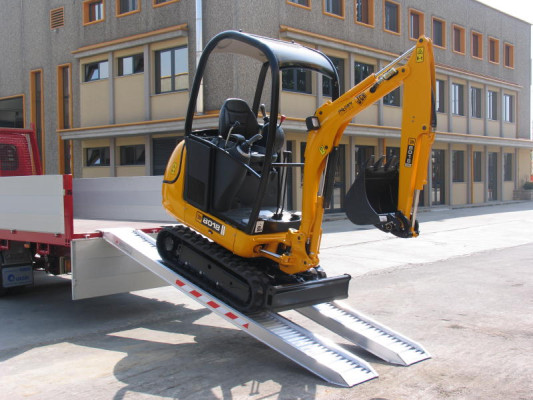
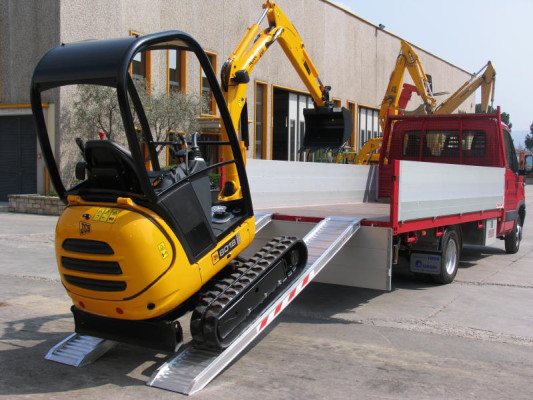
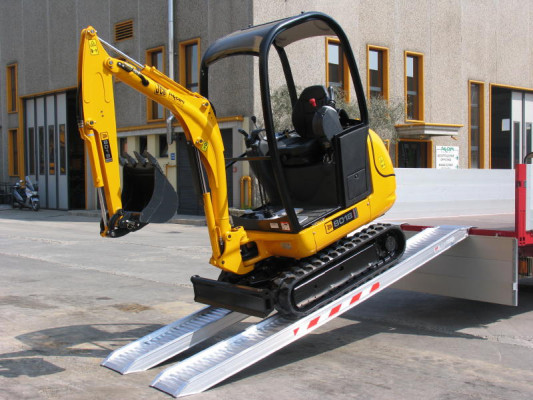
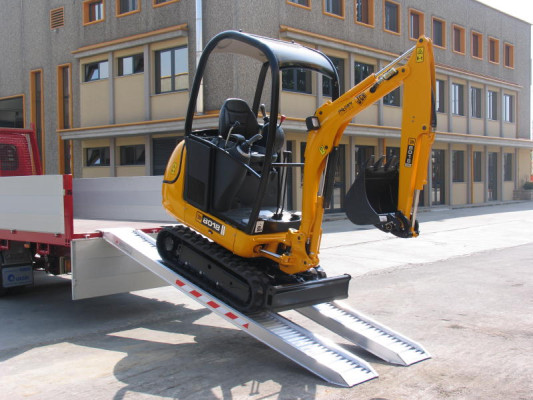
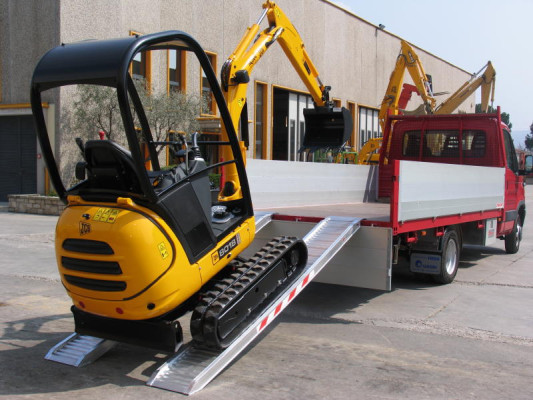
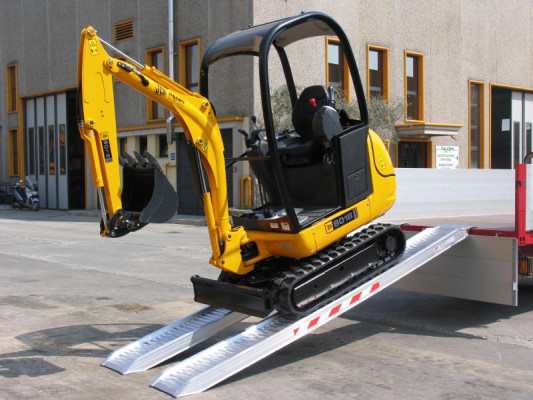
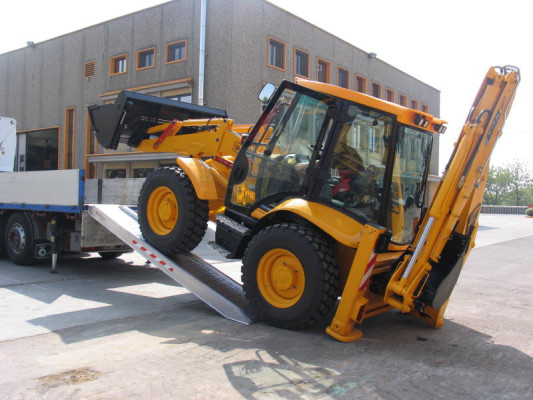
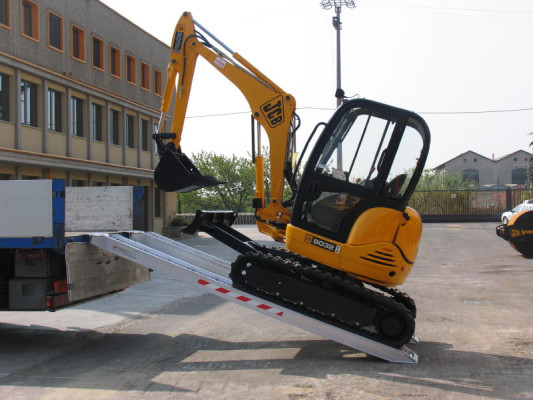
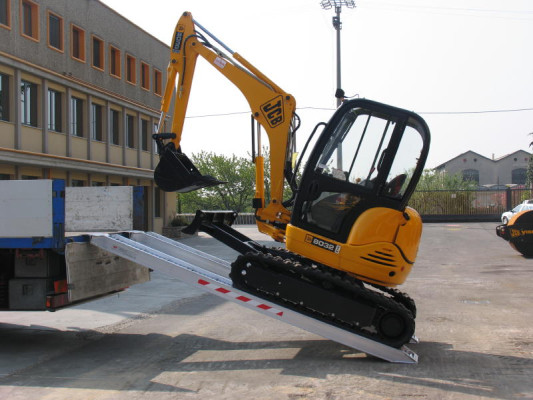
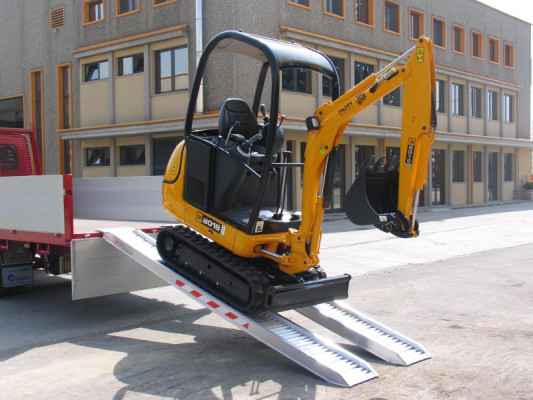
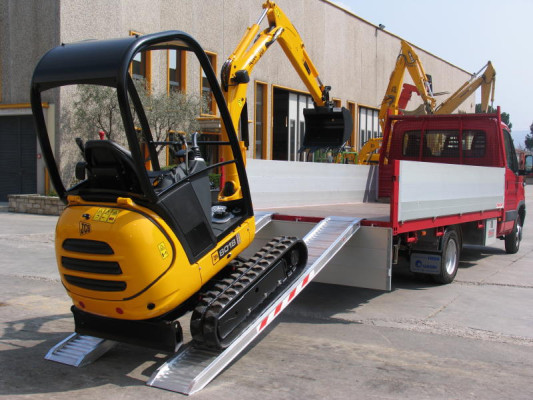
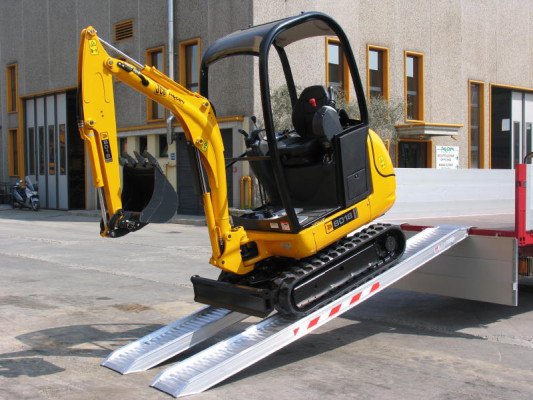
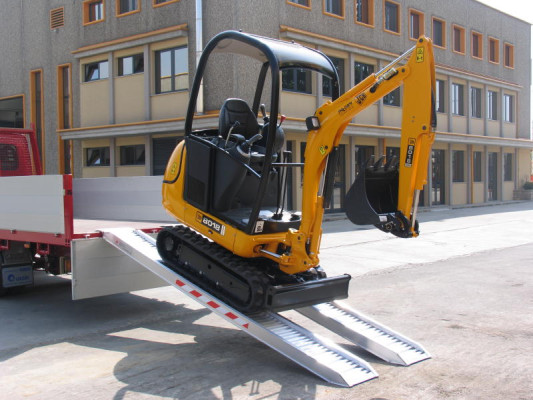
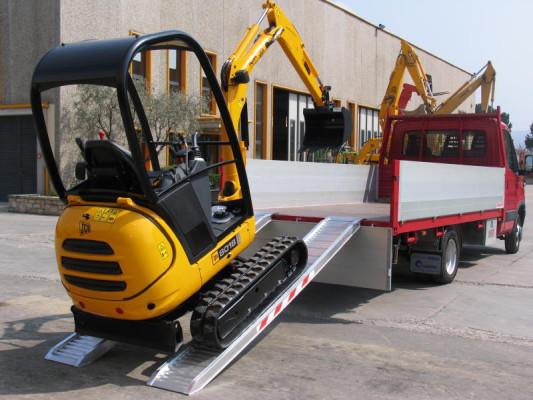
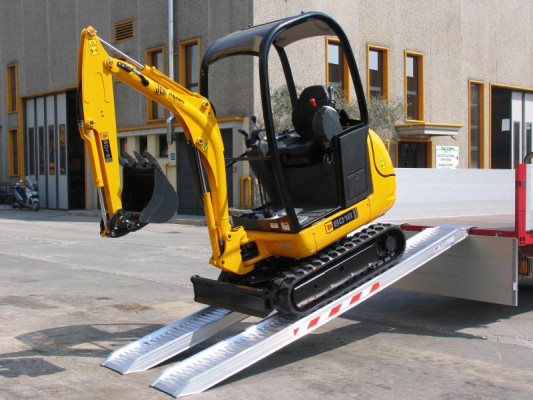
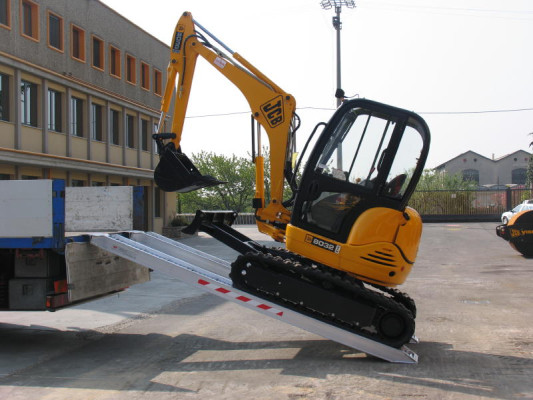
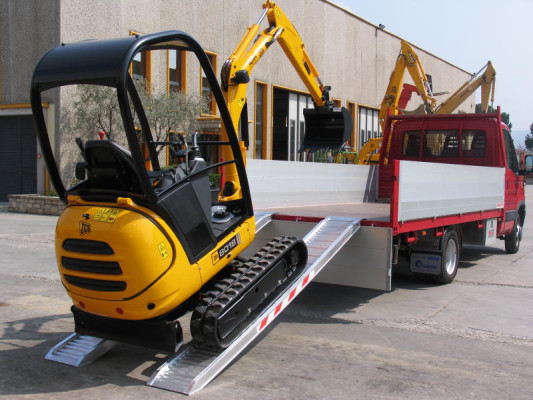
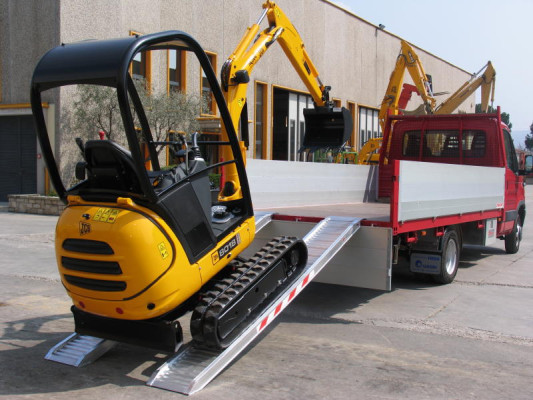
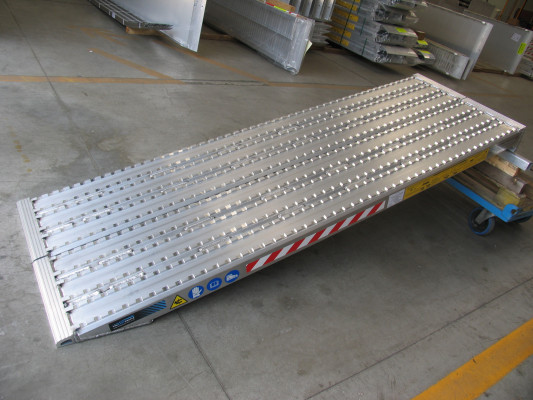
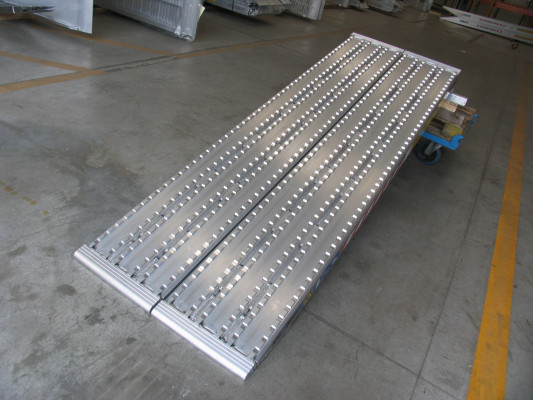
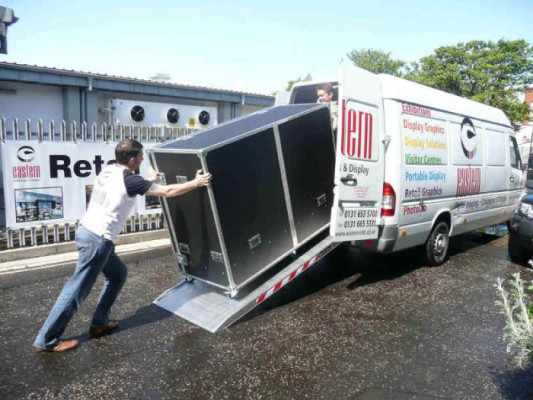
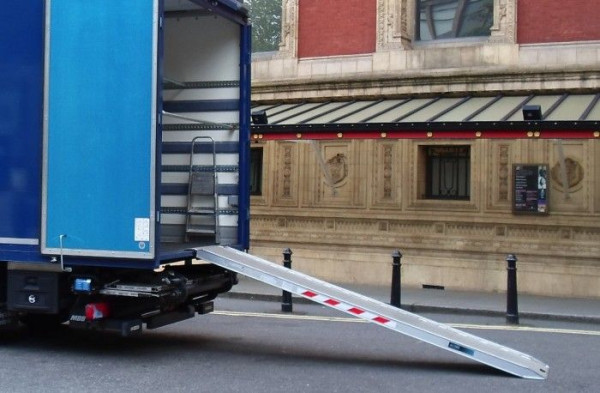
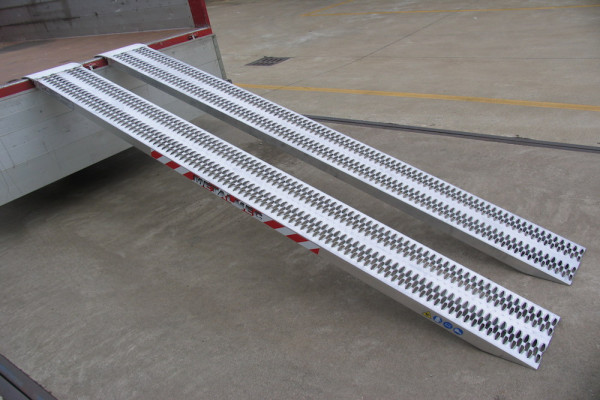
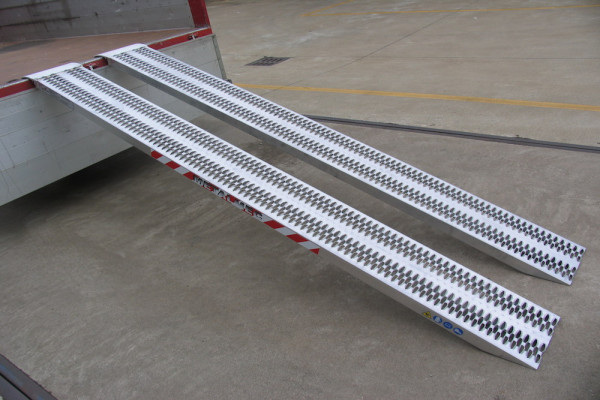
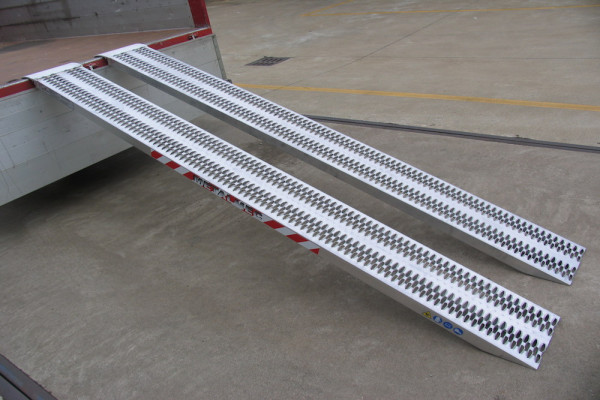
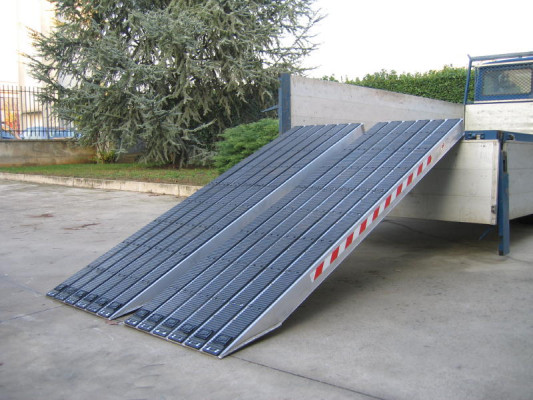
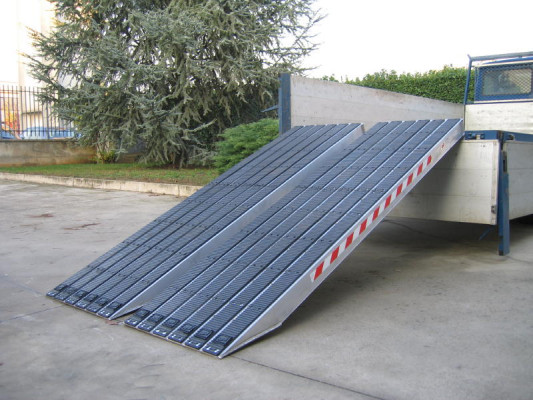
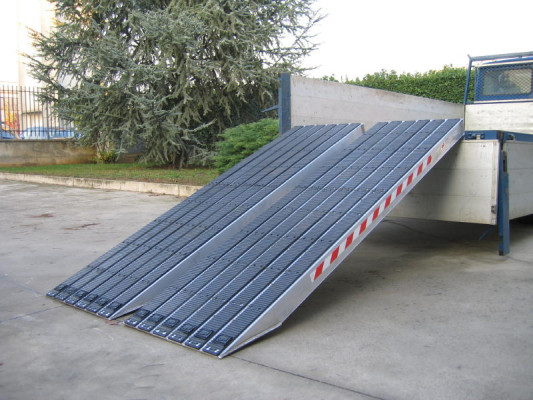
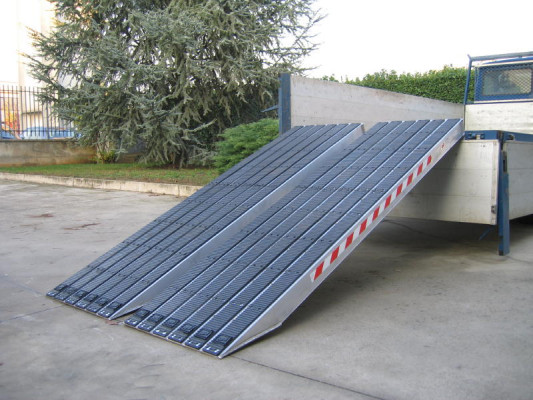
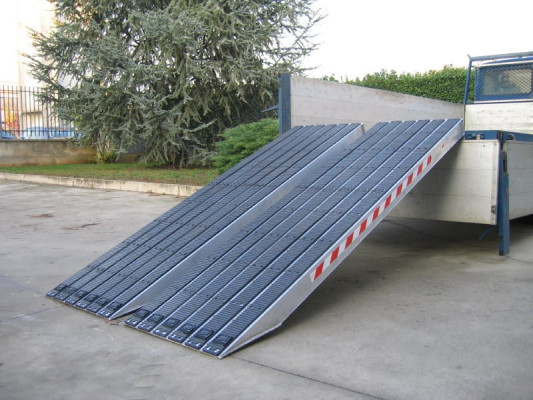
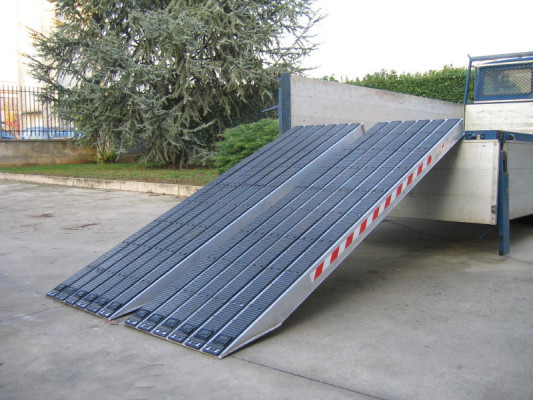
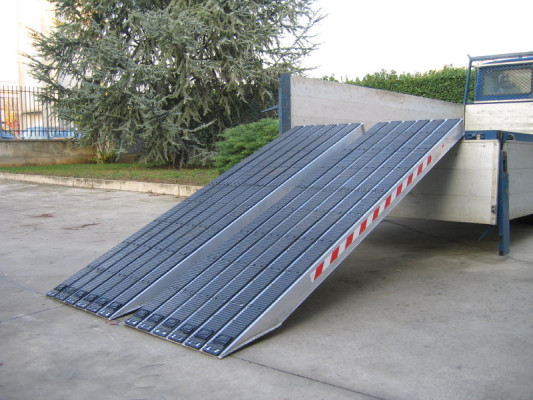
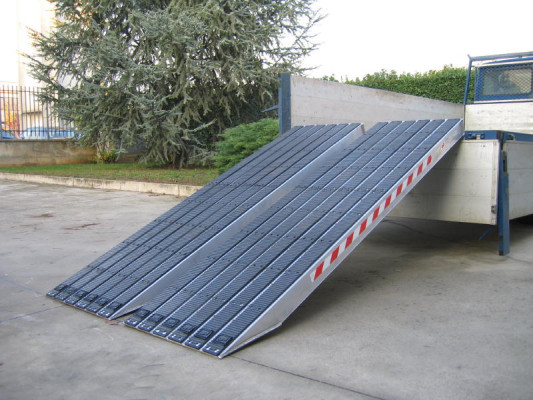
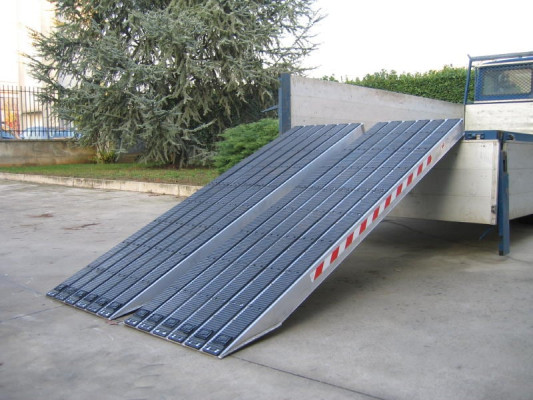
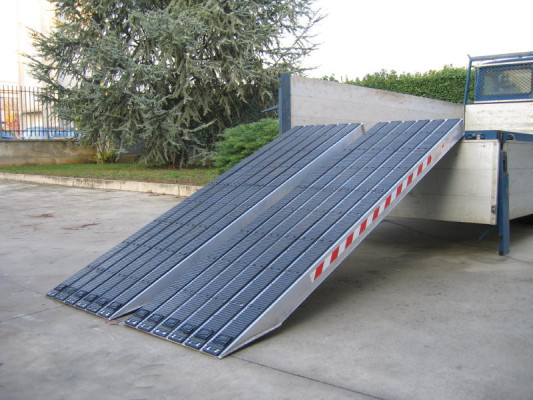
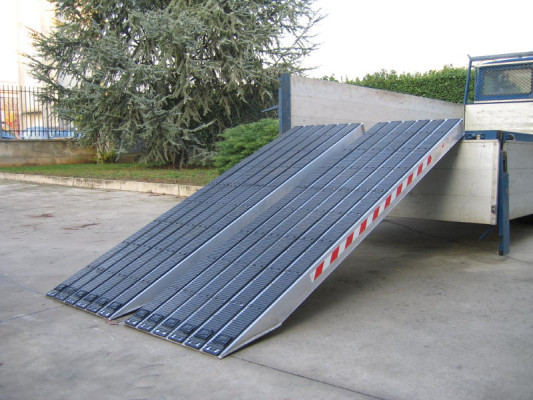
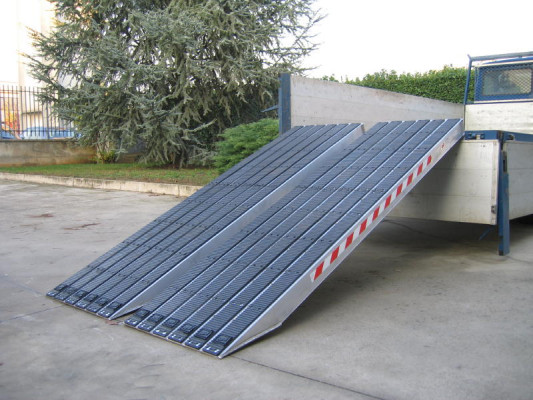
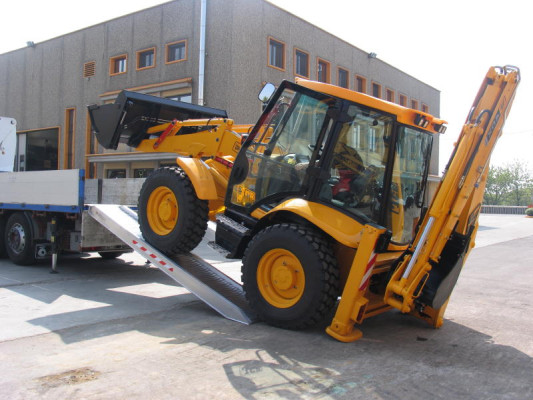
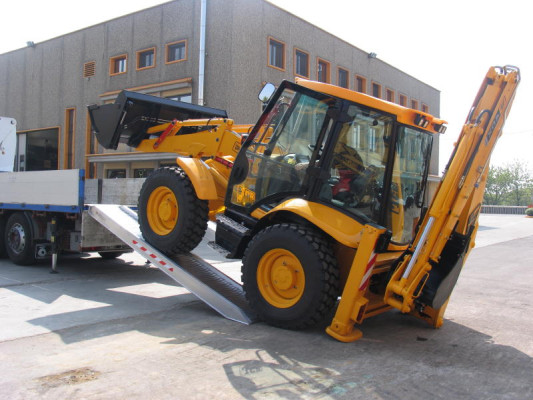
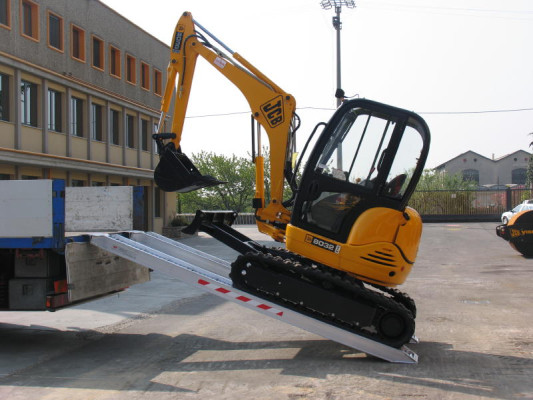
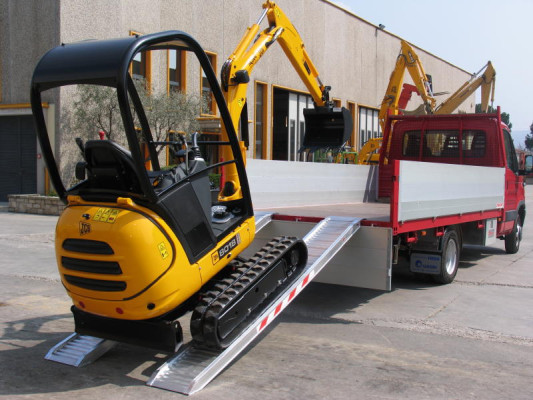
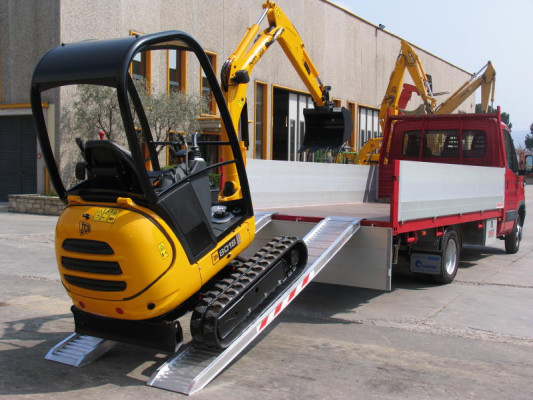
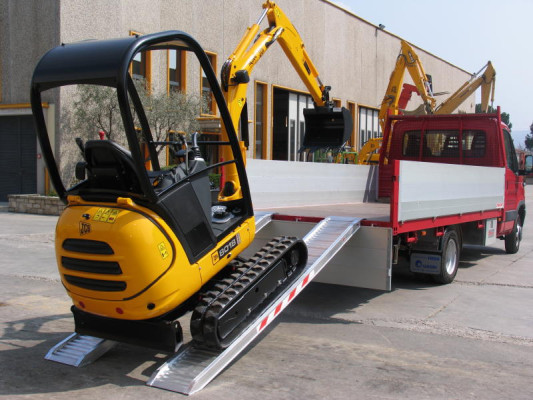
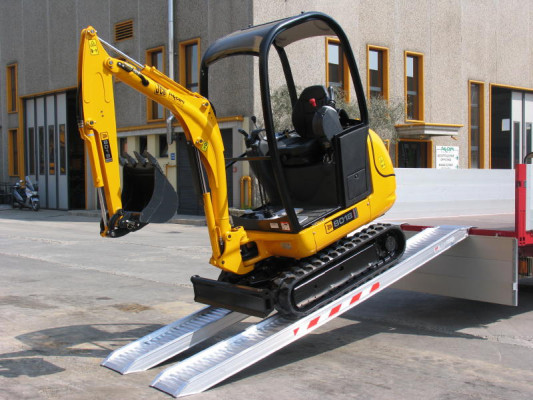
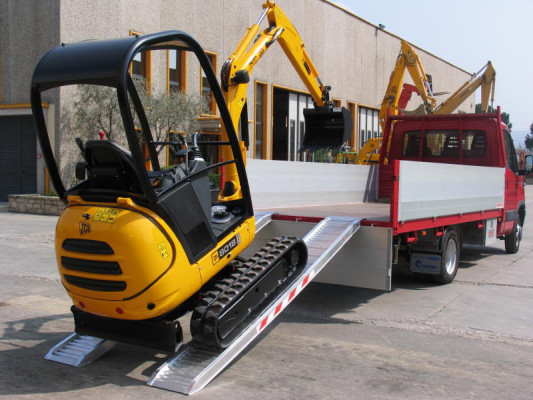
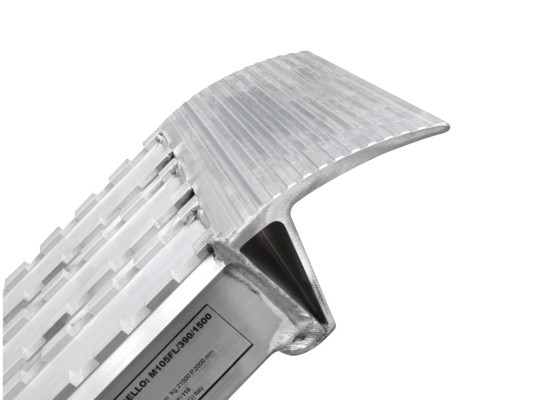
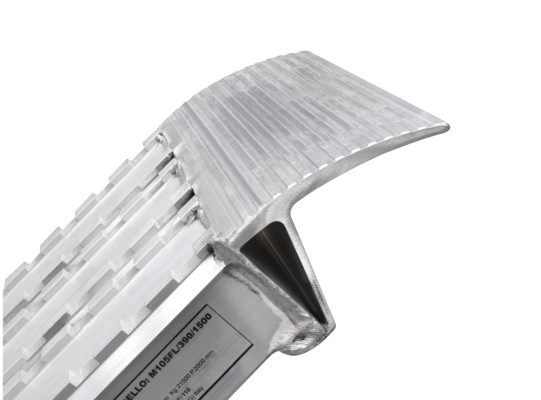
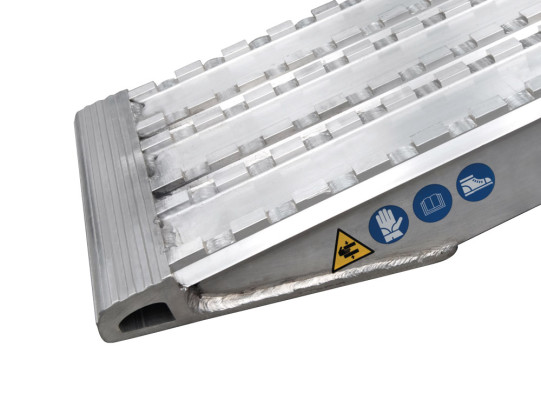
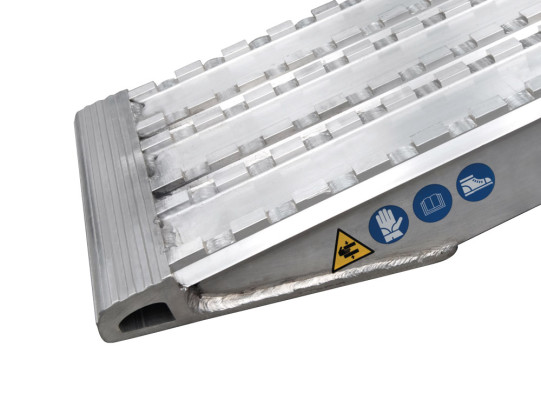
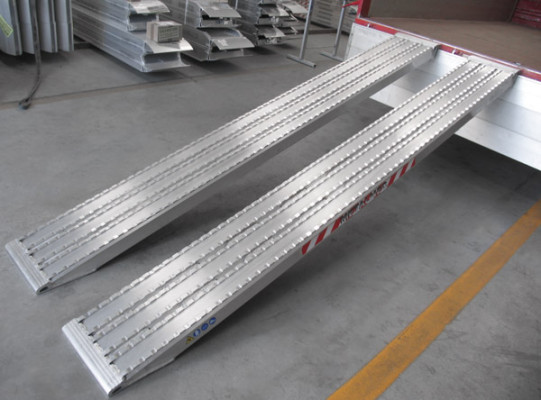
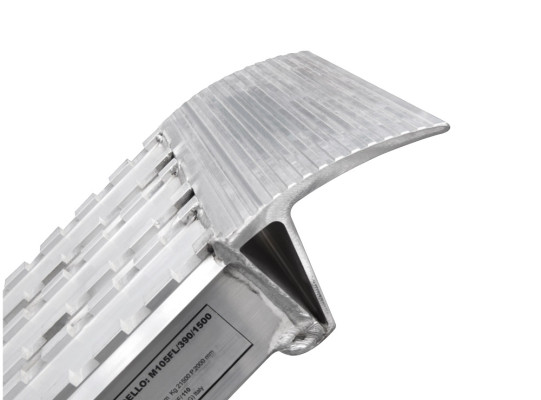
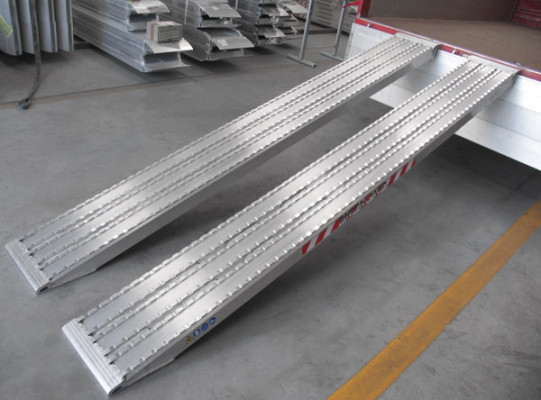
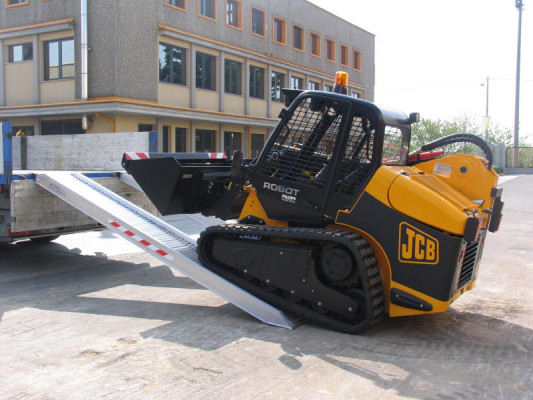
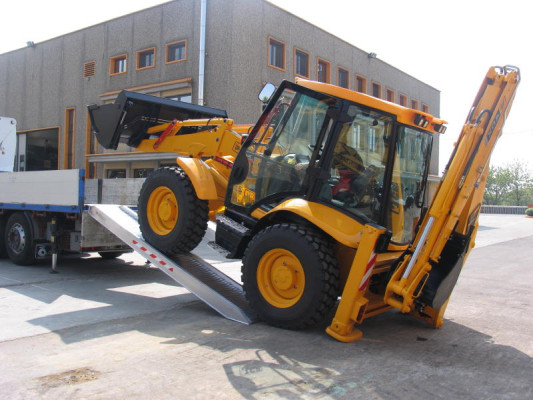
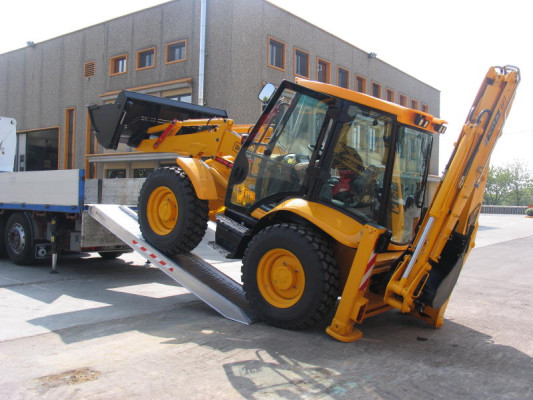
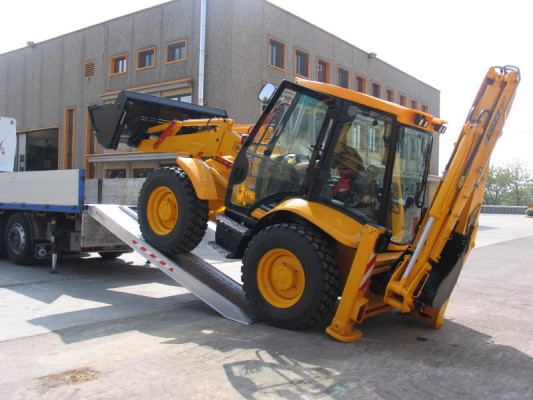
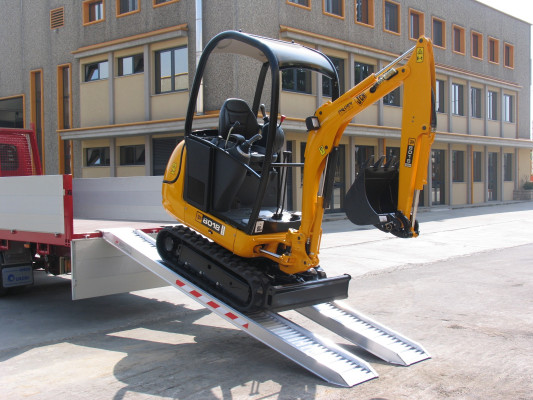
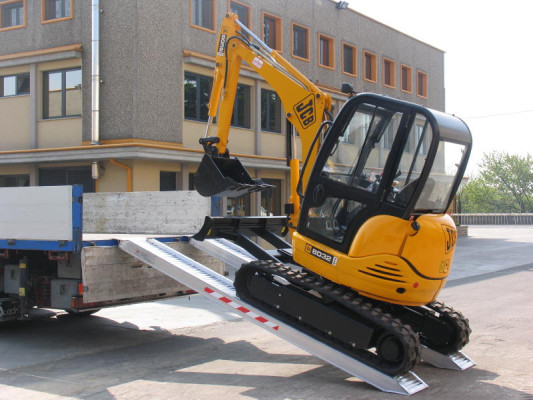
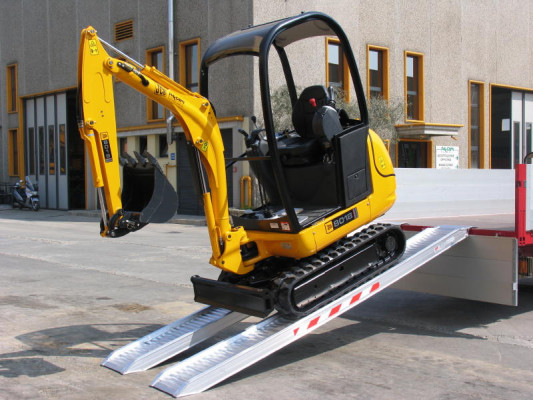
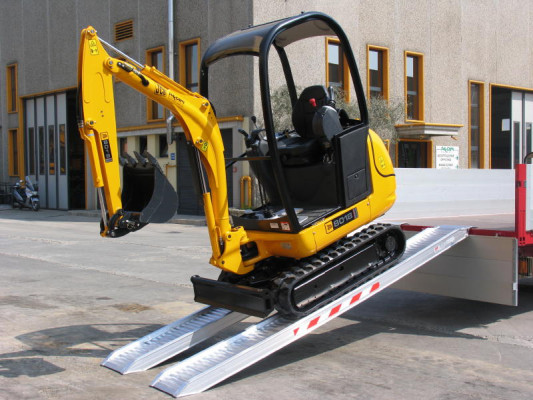
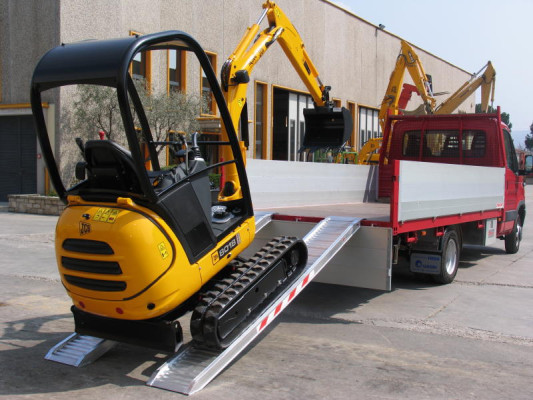
Most plant machinery loading ramps are are designed, tested & built at a 30% loading gradient to allow for safe loading & unloading. The foot (base) of the ramp is cut for the recommended load height and therefore it is essential the loading ramps are used at the correct height.
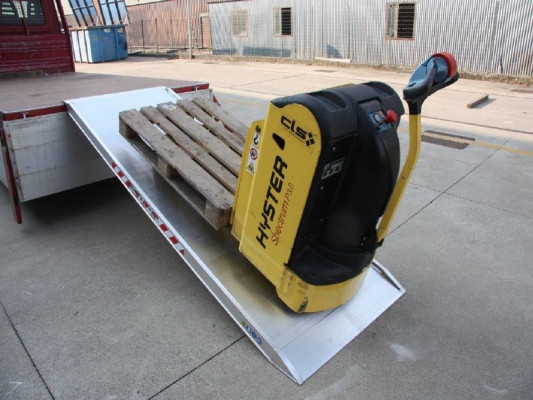
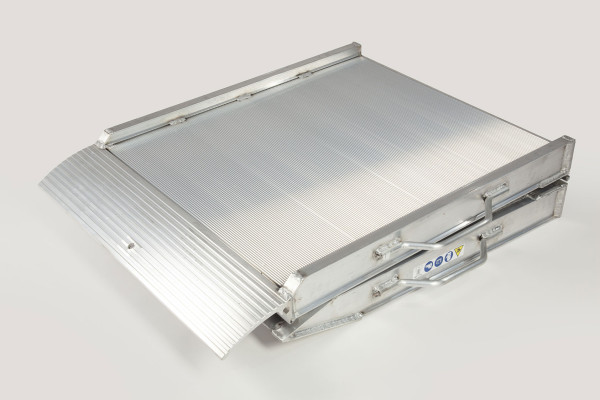
Some ramps, such as pallet truck ramps, have been designed for use at a smoother gradient.
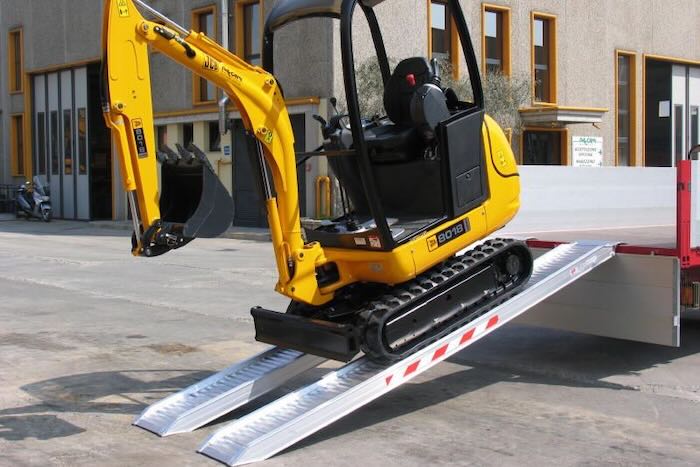
Purchasing The Correct Ramp Length
Most TÜV certified loading ramps are designed, tested & built at a 30% loading gradient to allow for safe loading & unloading.
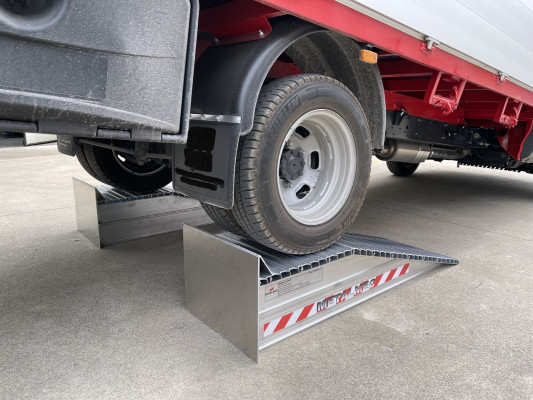
Because all of our Plant Ramps and Van Ramps (except the TRP40 Car Loading Ramps) have a foot end cut to sit flat on the floor when the ramp is used at a specific angle - This is to evenly distribute the weight applied & allow for a smooth transfer on or off the ramp at ground level.
If the height you are loading to differs from the product specification, we recommend speaking to one of our advisers. It could be that a customised ramp solution will need to be fabricated at our factory to suit the height you are loading up to. Price for amending the foot end is typically £100 plus VAT for a pair of loading ramps.
All of our in stock plant loading ramps, held in stock for immediate dispatch, are cut for a 30% gradient. On the product page the minimum and maximum height the ramp can be used at is noted. For guidance of the ramp length you require based on your load height, please view the below:
1500mm length = 450mm load height2000mm length = 600mm load height
2500mm length = 750mm load height
3000mm length = 900mm load height
3500mm length = 1050mm load height
4000mm length = 1200mm load height
4500mm length = 1350mm load height
5000mm length = 1500mm load height
Having the foot end cut to sit flush with the ground will increase the life expectancy of your loading ramps & make for smoother loading. Using a ramp at the wrong height is likely to invalidate warranty & be very dangerous as the foot needs to sit flush on the ground to support the advertised capacity.
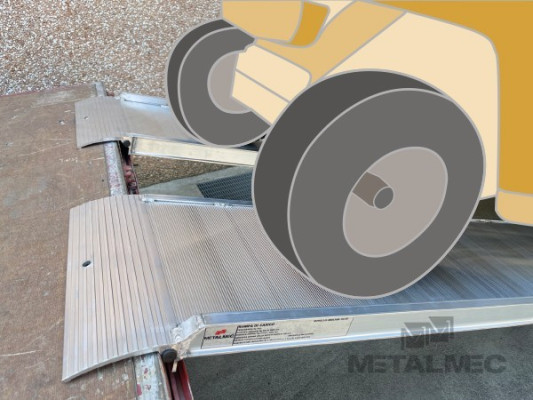
If you are loading an item with lower ground clearance, such as a scissor lift or forklift, a longer ramp is often required to achieve a smoother gradient. We can custom cut the foot for the ramp for your load height to ensure the ramp remains securely on the ground during loading.
How To Position Your Loading Ramp
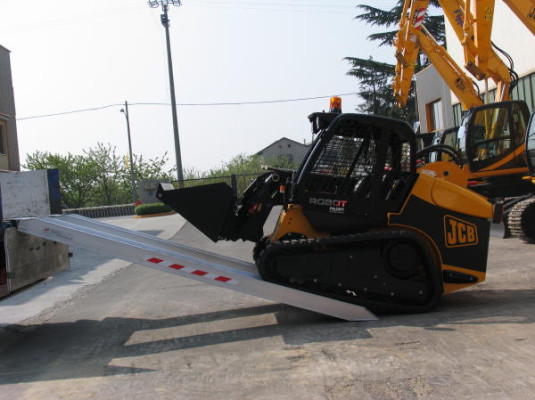
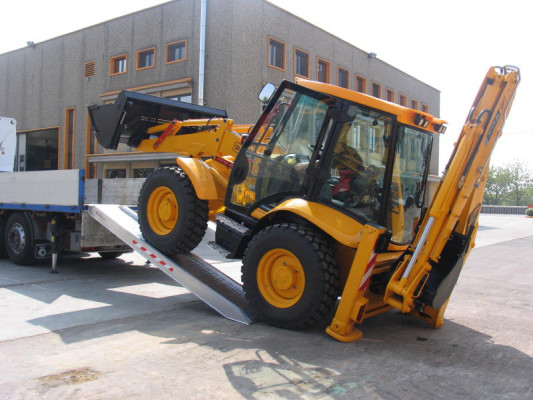
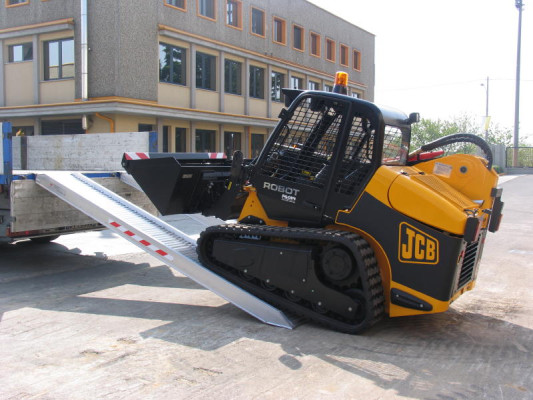
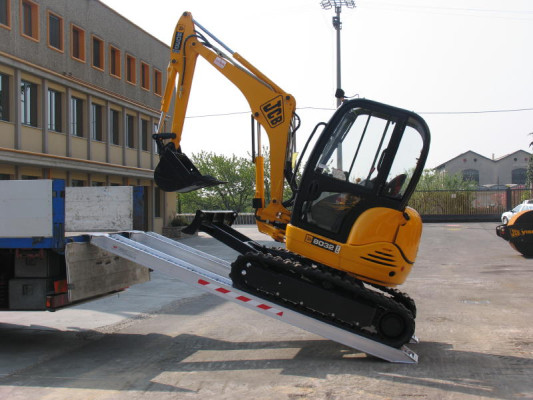
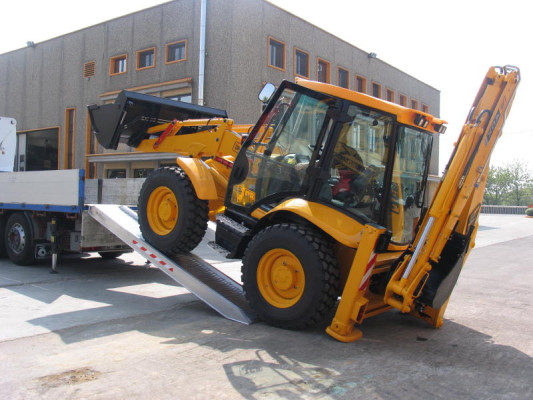
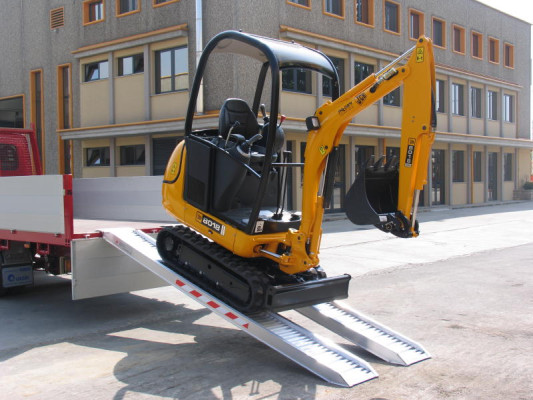
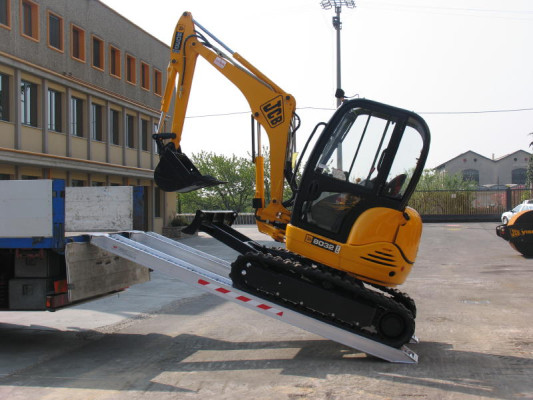
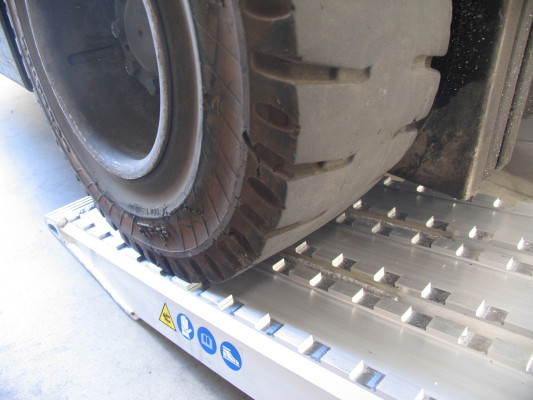
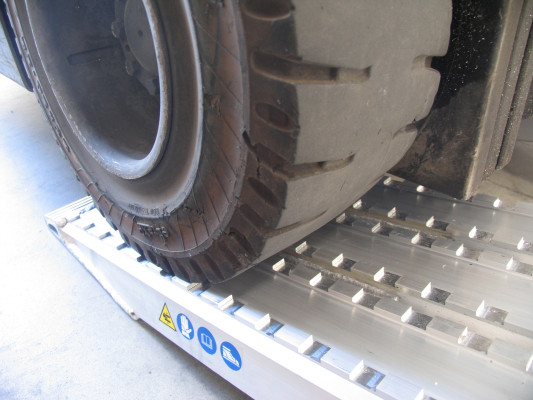
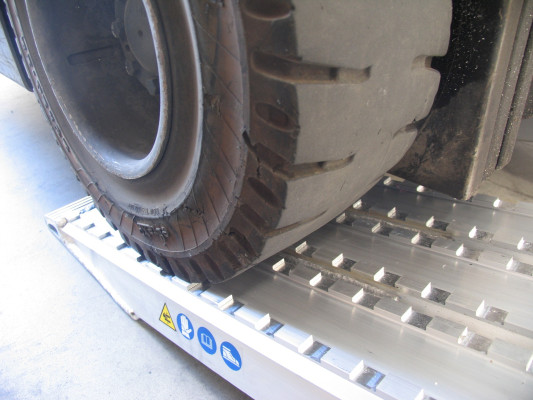
Foot End Flush
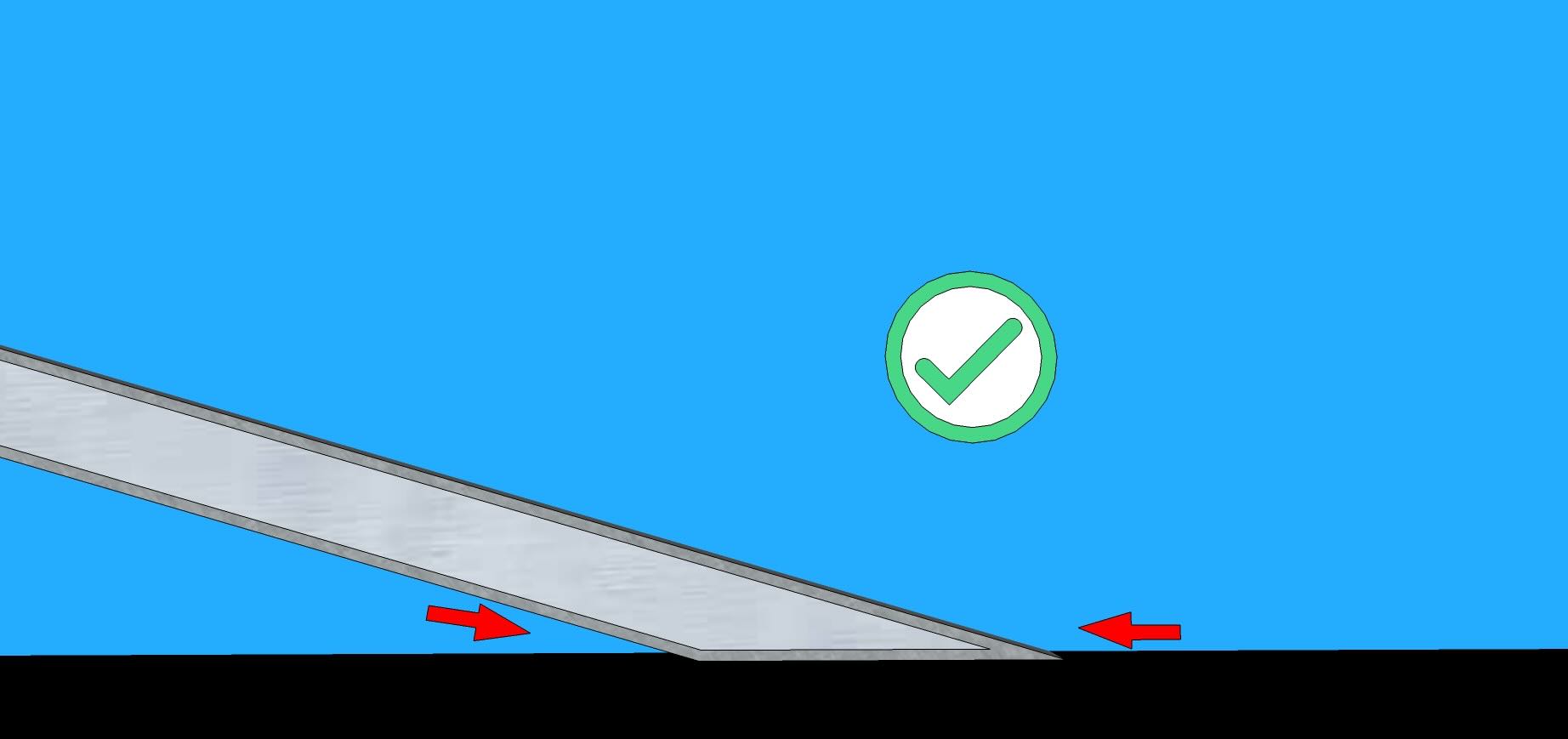
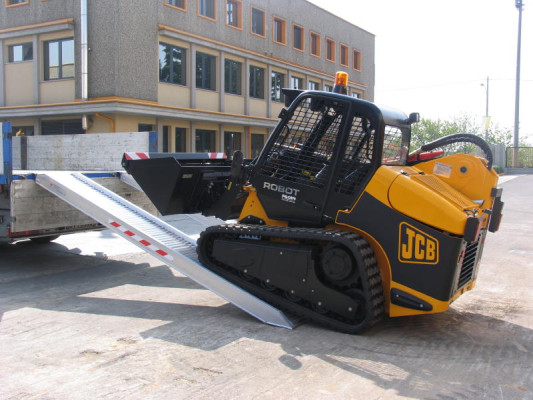
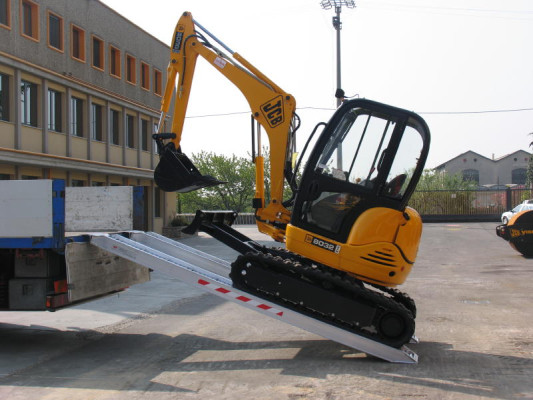
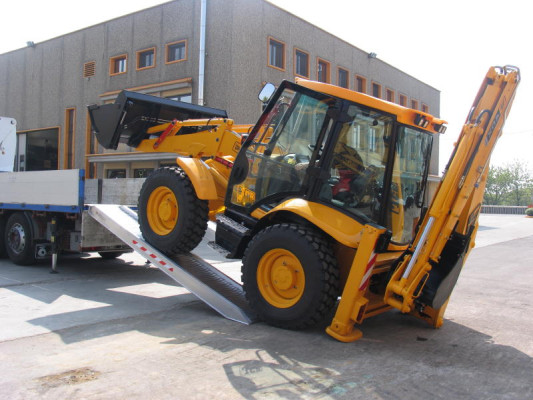
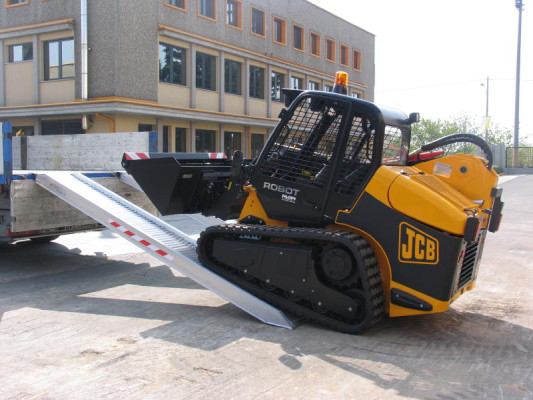
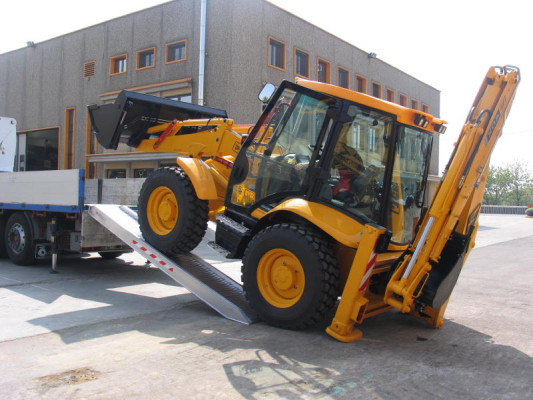
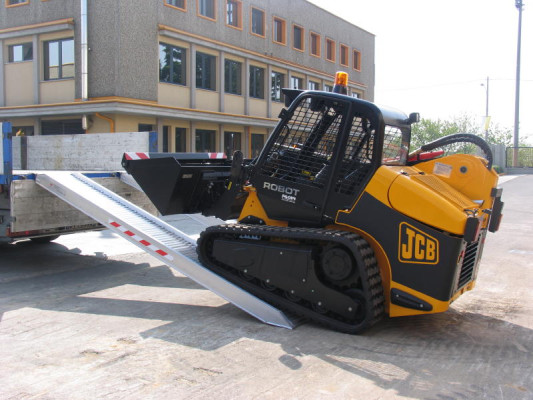
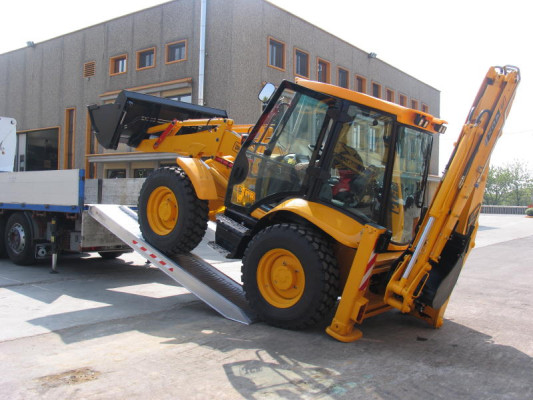
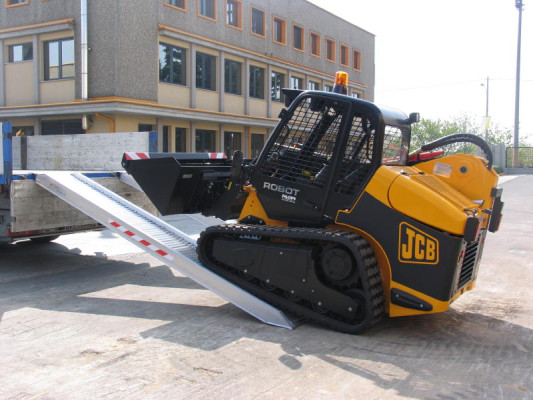
Ramp at correct height – this is how the ramp is designed to be used.
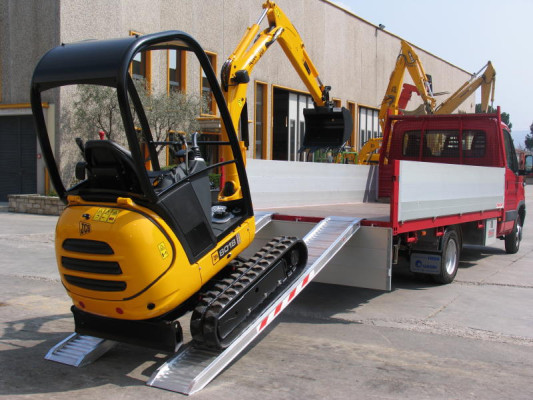
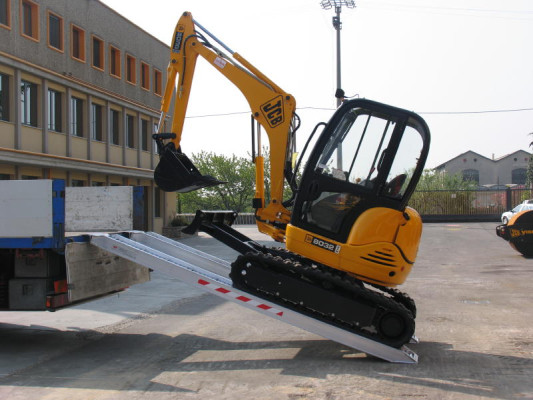
Foot End on Tip
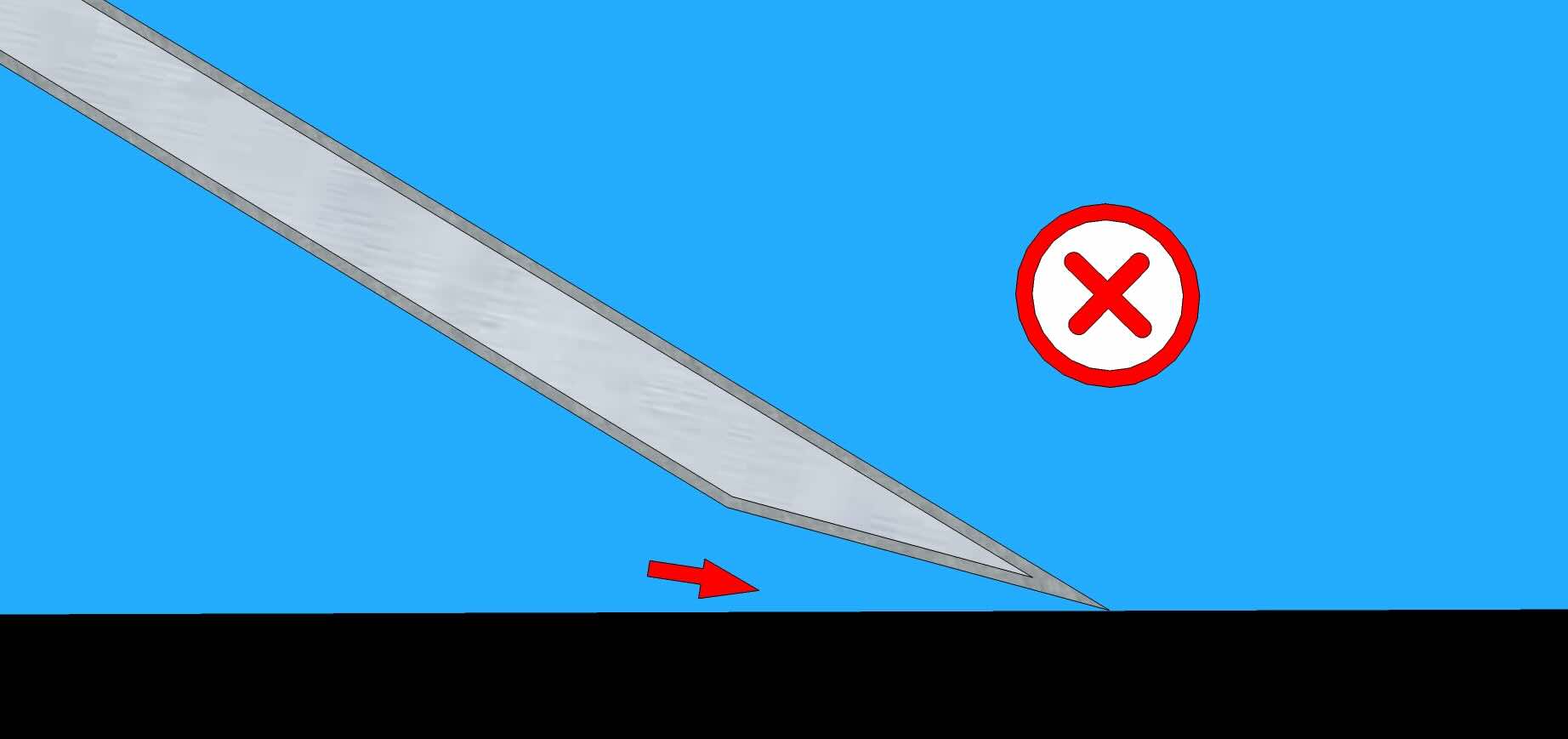
Ramp height is too high (this can cause the ramps life to be reduced and for the tip of the ramp to wear down faster than normal usage)
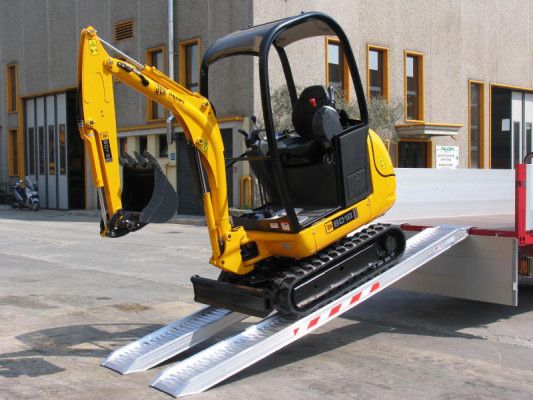
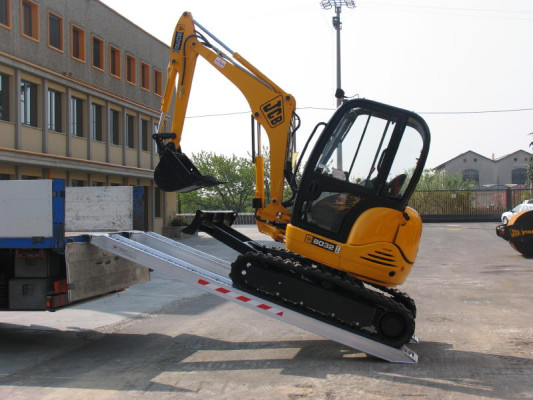
Foot End Pushed Forward
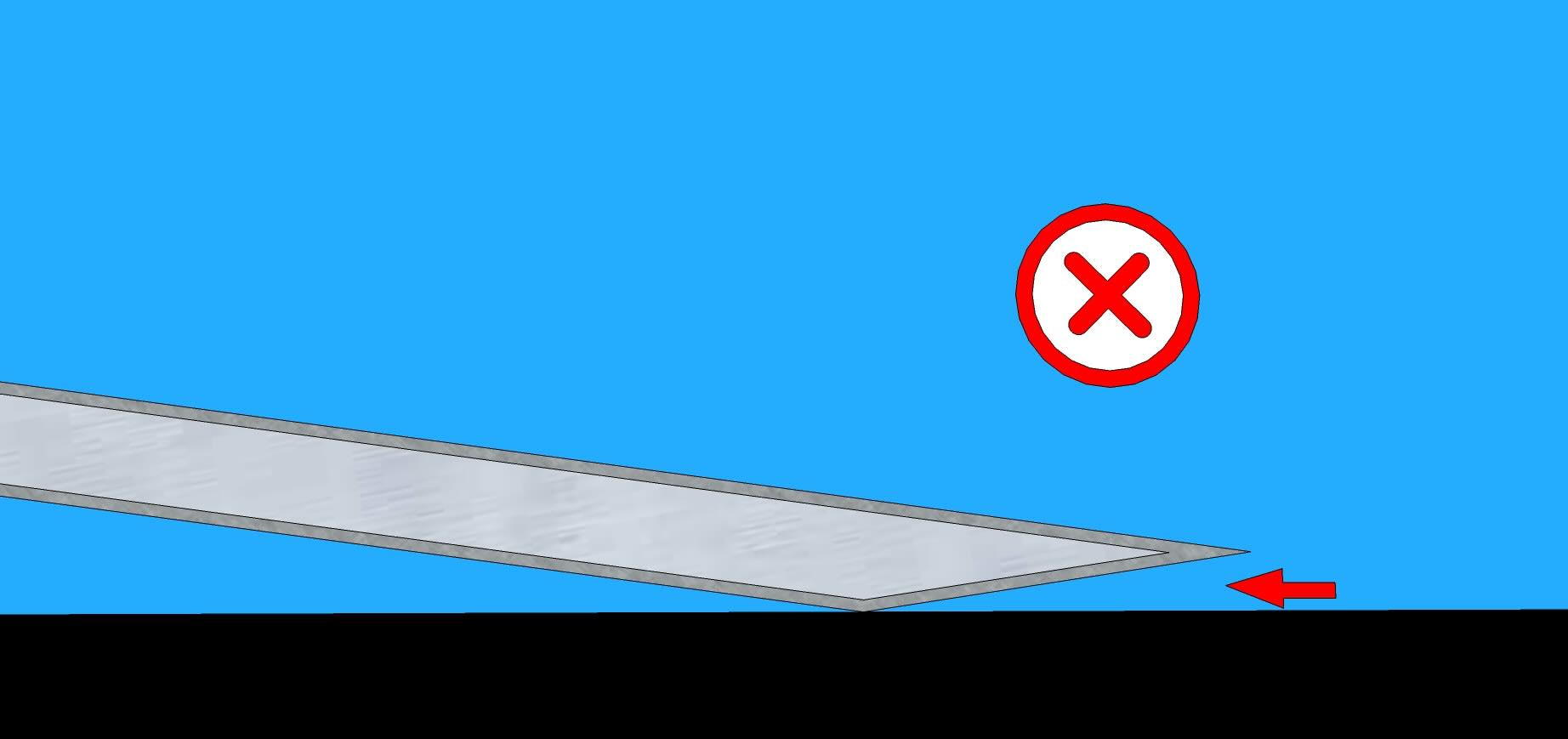
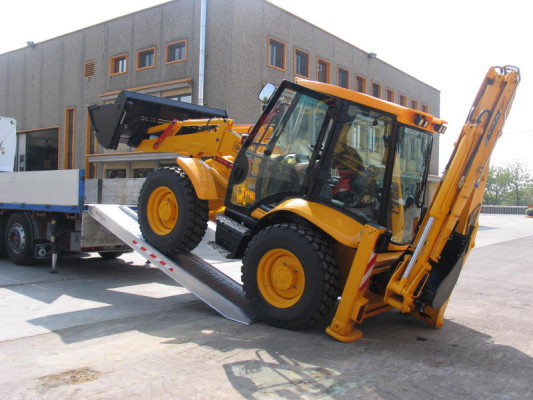
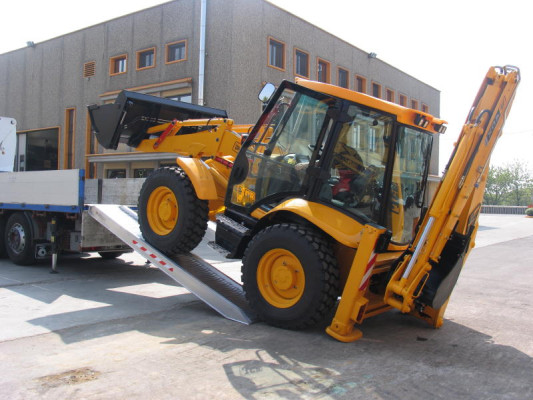
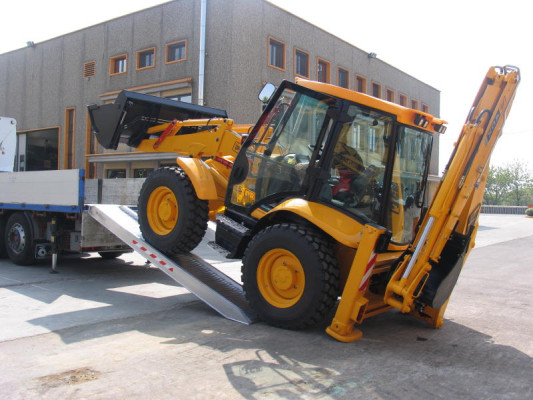
Ramp height is too low (this can cause the ramp to flip up/stand upright to the height it is cut for.
Why is it important that the ramp sits correctly on the ground?
It is important the foot of the ramp sits securely on the ground as it assists to support the ramp and in turn the capacity the ramp is advertised to carry. It also provides smooth entry onto the ramp, in turn providing a seamless loading experience.
What else should I consider?
When choosing a pair of loading ramps, it is important to also consider the below:
- Track width
- Wheelbase
- Connection options - how the ramps will secure to the vehicle
- Ramp weight
- Capacity
For more assistance choosing the right plant ramp, we suggest viewing our plant ramp buying guide.
Still Require Assistance? Request a callback
Our team is available throughout the week to help via phone, email, live chat or WhatsApp. If you’d rather we call you, you can easily request a callback here.
All loading ramps held in stock for next day delivery will be cut for the 30% gradient which translates as follows:
1500mm length = 450mm load height2000mm length = 600mm load height
2500mm length = 750mm load height
3000mm length = 900mm load height
3500mm length = 1050mm load height
4000mm length = 1200mm load height
4500mm length = 1350mm load height
5000mm length = 1500mm load height
Having the foot end cut to sit flush with the ground will increase the life expectancy of your loading ramps & make for smoother loading. Using a ramp at the wrong height is likely to invalidate warranty & be very dangerous.


Trench plates and footbridges

How to make your business accessible for customers

What is a Safety Management System (SMS)?
- Categories:
- All
- Vehicle & Plant Loading Ramps
- Wheel Stops
- Workplace Safety
- Speed Bumps
- Accessibility & Disability
- Wheelchair Threshold Ramps
- Truck & Van Ramps
- Cable Covers & Protectors
- Road Safety
- Yard & Container Ramps
- TRP News
- Pet Ramps
- Car Ramps
- Tips and Product Guides
- Customer Case Studies
- Wheelchair Ramps
- Loading Ramps
- Workplace and Health & Safety